Execution in Autumn
Plot
Execution in Autumn follows Pei-gang, a young man whose family line has produced only sons for three generations, making him the sole heir and object of immense familial hope. When he is condemned to death for larceny, the impending execution threatens not only his life but the continuation of the family line and the emotional stability of his grandmother, who becomes the film’s moral and dramatic center. As the family struggles with grief, shame, and the rigid machinery of justice, the grandmother attempts to intervene in the only way available to her, pressing against both social convention and state power. The film unfolds as a restrained, tragic study of duty, generational continuity, and the unbearable cost of crime and punishment, culminating in a quietly devastating portrait of filial and familial collapse.
About the Production
Execution in Autumn is a Taiwan-based production associated with the major state-linked studio Central Motion Picture Corporation, which was central to the island’s film industry during the early 1970s. The film is a classical literary-style drama rather than a spectacle-driven production, and its impact derives from performance, moral tension, and formal restraint rather than large-scale production design. Precise budget and box-office figures are not readily documented in standard English-language sources, which is common for Taiwanese films of this period. Its reputation has largely been built through critical reassessment, festival exposure, and its importance within director Lee Hsing’s body of work and Taiwan cinema history.
Historical Background
Execution in Autumn was produced in 1972, when Taiwan was under martial law and the island’s film industry was operating within a heavily structured social and political environment. During this era, the studio system, especially Central Motion Picture Corporation, played a significant role in shaping mainstream cinema, often favoring moral narratives, family dramas, historical subjects, and socially legible emotional conflicts. The film’s concern with punishment, family continuity, and social shame reflects a broader cultural climate in which traditional values were often foregrounded in cinema even as Taiwanese society was changing rapidly through modernization and urbanization. In historical terms, the film stands at an important transitional moment before the New Taiwan Cinema movement of the 1980s, representing the earlier studio tradition from which later generations would both inherit and react against.
Why This Film Matters
The film matters as part of the classical Taiwanese canon and as an example of Lee Hsing’s influence on the island’s popular and prestige cinema. Its story places an elderly woman at the center of a tragic moral crisis, giving unusual dramatic weight to the experience of age, lineage, and helpless devotion. For audiences and scholars interested in Taiwan’s film history, it offers a window into the aesthetics of mainstream early-1970s cinema: emotionally direct, socially conservative in surface presentation, yet capable of profound human sadness. The film’s continued mention in film-history contexts indicates that it has retained cultural significance beyond its original release, especially as Taiwanese cinema has been reappraised internationally.
Making Of
Execution in Autumn was made during a period when Taiwanese studio cinema was still highly influential and when directors like Lee Hsing were shaping a distinctly local form of melodrama. The production appears to have relied on the Central Motion Picture Corporation’s studio system, which allowed for controlled, polished filmmaking but also encouraged conventional narrative presentation. While detailed anecdotal production records are scarce in widely accessible sources, the film’s careful emphasis on family relationships, moral seriousness, and emotional restraint suggests a director working within the strengths of performers and script rather than relying on technical spectacle. Its lasting reputation comes from the way it transforms a simple criminal-justice premise into a devastating family tragedy, something that likely depended heavily on performance tone and precise direction.
Visual Style
The film’s visual style is characteristic of early-1970s Taiwanese studio drama: composed framing, clear spatial organization, and an emphasis on actors’ faces and body language to carry emotional meaning. Rather than relying on flamboyant camera movement, the cinematography appears designed to support the tragic atmosphere and the moral clarity of the narrative. Scenes involving family confrontation and the looming execution would naturally benefit from restrained, controlled images that intensify the sense of inevitability. The overall effect is likely formal and sober, aligning the visual language with the film’s themes of fate, duty, and irreversible consequence.
Innovations
Execution in Autumn is not generally known for technological innovation in the way that special-effects or widescreen epics are, but it is notable for its disciplined classical filmmaking and its effective handling of melodramatic structure. Its technical achievement lies in the integration of performance, editing, and staging to sustain tragedy across a modest, intimate premise. The film demonstrates the studio-era Taiwanese capacity for polished narrative filmmaking, where craftsmanship in scene construction and emotional pacing was the primary achievement. Its enduring value is therefore aesthetic and historical rather than technological.
Music
Specific score information is not readily documented in accessible English-language references for this film. As with many Taiwanese studio dramas of the period, the music would likely have supported the emotional contours of the story with conventional dramatic scoring rather than a prominently experimental soundtrack. The film’s tragic atmosphere suggests a score used to underscore grief, tension, and moral weight. More precise information about composer credits or musical themes is not reliably available from standard public sources.
Famous Quotes
No widely documented English-language quotations from the film are readily verifiable.
The film is better remembered for its tragic premise and emotional confrontations than for circulating standalone quotes.
Memorable Scenes
- The grandmother’s attempt to intervene in the execution process, which gives the film its emotional and moral climax.
- The family’s confrontation with the shame and finality of Pei-gang’s sentence, emphasizing the collapse of hope across generations.
- The buildup to the execution itself, where the film’s restrained style turns a legal punishment into a profound familial tragedy.
Did You Know?
- The film is directed by Lee Hsing, one of the most important figures in classical Taiwanese commercial and social drama cinema.
- Execution in Autumn is often discussed as a landmark of emotionally serious, moralistic Taiwanese filmmaking from the early 1970s.
- The story centers on a grandmother-grandson relationship, making an elderly female character the emotional anchor of the narrative rather than the condemned man himself.
- The title is strongly evocative and has helped the film remain memorable in film history discussions even outside Taiwan.
- The film’s premise reflects recurring concerns in traditional East Asian storytelling about lineage, filial duty, and the shame attached to criminal punishment.
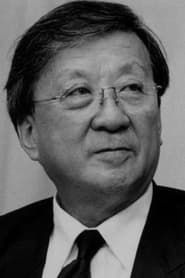
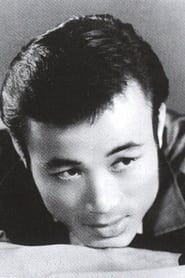
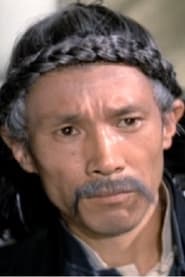
- Tang Pao-Yun, Ou Wei, and Ko Hsiang-Ting are among the credited cast names associated with the production.
- The film is frequently cited in discussions of Lee Hsing’s reputation for melodrama rooted in social realism and moral conflict.
- Because of incomplete surviving English-language production documentation, many exact behind-the-scenes details remain difficult to verify outside archival sources.
- The film belongs to a period when Taiwanese studio cinema was producing serious historical and family dramas aimed at both domestic audiences and broader Chinese-speaking markets.
- Its tragic structure and restrained style make it a notable example of early 1970s Taiwanese prestige cinema.
What Critics Said
Contemporary critical reception is not comprehensively documented in readily available English-language sources, but the film has since come to be regarded as a significant work in Lee Hsing’s filmography and in the broader history of Taiwanese cinema. Modern critics and historians tend to value it for its melodramatic rigor, emotional discipline, and the way it frames punishment through family grief rather than through sensational action. It is often appreciated less as a genre piece than as a serious moral drama that reveals the narrative and thematic priorities of its era. Because it is not as widely distributed internationally as later Taiwanese art cinema, much of its critical reputation has been built through retrospective assessment rather than sustained mainstream global criticism.
What Audiences Thought
Audience reception in Taiwan is not well quantified in surviving public data, but the film appears to have fit the expectations of viewers who were accustomed to studio-produced family dramas and emotionally direct moral narratives. Its story of filial tragedy and a grandmother’s desperate intervention likely resonated strongly with audiences familiar with traditional values surrounding family duty and shame. Over time, its audience has become more specialized, consisting largely of classic-cinema enthusiasts, historians, and viewers exploring the foundations of Taiwanese film culture. Its endurance suggests that it made a memorable emotional impression even if detailed box-office records are unavailable.
Film Connections
Influenced By
- Traditional Chinese family tragedy literature
- Classical melodrama
- Taiwanese studio-era social dramas
- Moral tales centered on filial piety
This Film Influenced
- Later Taiwanese family melodramas that emphasize intergenerational conflict
- Works in Taiwanese cinema that revisit traditional morality under modern pressures
You Might Also Like
More Drama Films
View allFilm Restoration
The film is not generally regarded as lost; it survives in archival circulation and film-historical records, though the extent of restoration and public availability may vary by territory and archive. It is the kind of classic Taiwanese studio film that is more likely to exist in preserved archival prints or institutional holdings than in widely distributed commercial editions. Public access appears limited, and comprehensive restoration status is not clearly documented in accessible international sources.