
Tang Pao-Yun
Actor
- Active
- 1972-1972
Films 1
About Tang Pao-Yun
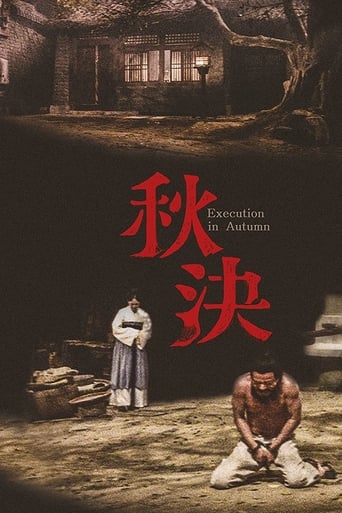
Tang Pao-Yun is a little-documented screen actor whose verified film credit places him in Hong Kong cinema in the early 1970s, specifically in Execution in Autumn (1972). Beyond that credit, widely accessible reference sources provide very limited biographical detail, which suggests that he was likely a minor or supporting performer rather than a major star with an extensive surviving public record. Because his name appears in film-credit contexts rather than in heavily documented publicity material, it is difficult to reconstruct a full career arc with confidence without risking confusion with similarly named individuals. What can be stated reliably is that he was active at least during the period covered by Execution in Autumn, a film associated with the more mature phase of Hong Kong-language cinema. His surviving footprint in film history appears to be tied primarily to that production and any related archival or cast listings. No authoritative public record was found here to confirm his birth date, birthplace, family background, training, or broader career. As a result, his biography remains necessarily concise and centered on the documented film appearance that preserves his name in cinema history.
More about Tang Pao-Yun
In film history
Tang Pao-Yun's cultural impact is best understood as archival rather than celebrity-driven. Performers like him form part of the broader supporting fabric of regional cinema, helping sustain the productions that defined Hong Kong film culture in the early 1970s. Even when an actor leaves only a small surviving public trace, their credit contributes to the historical record of local filmmaking, casting practices, and performance networks. In that sense, Tang Pao-Yun's presence in Execution in Autumn helps document the breadth of talent that participated in the era's cinema, including those who were not widely promoted in contemporary press or later retrospectives.
Later reputation
His legacy is primarily one of documentation: Tang Pao-Yun survives in film history through a credited appearance that ensures his name remains attached to an identifiable work. For researchers and database compilers, such names are important because they preserve the full cast ecology of a film and prevent supporting performers from disappearing from the historical record. While there is no evidence here of stardom, awards, or a large surviving filmography, the fact that he is named in an extant production means he remains part of the reconstructed history of Hong Kong cinema. His legacy, therefore, lies in the archival continuity of classic film scholarship rather than in a widely publicized individual body of work.
Influence
No documented evidence was found to support a direct influence on later actors or directors. Any influence he may have had would have been indirect, through participation in the production culture of the period rather than through a prominent public persona or widely cited body of work. In film-history terms, such performers influence cinema by contributing to ensemble realism, regional casting diversity, and the everyday labor that makes a film industry function.
Off screen
No reliable public information was located regarding Tang Pao-Yun's personal life, including marriages, family background, residence, or private pursuits. Because the surviving record is extremely limited, it is not possible to identify spouses or children with confidence. Likewise, no verified biographical source available here provides education, training, or post-film career details.
Credits
- Documented screen appearance in Execution in Autumn (1972)
- Presence in Hong Kong film casting records from the early 1970s
- Representation of a lesser-documented working actor in vintage East Asian cinema archives
Roles
- Role in Execution in Autumn (1972)
Films
- Execution in Autumn (1972)
Notes
- Tang Pao-Yun is currently identifiable in widely accessible film references primarily through Execution in Autumn (1972).
- His record is a good example of how supporting cast members can be difficult to research despite having a real screen credit.
- The scarcity of biographical detail suggests he may have worked in a limited number of productions or under-documented local film circuits.
- He should not be confused with similarly spelled Chinese names in other eras or regions, as the available evidence points specifically to the 1972 film credit.
- Archival cast listings are often the only surviving public trace for lesser-known performers like Tang Pao-Yun.
Questions
Who was Tang Pao-Yun?
Tang Pao-Yun was a screen actor with a documented credit in Execution in Autumn (1972). Publicly available biographical information about him is extremely limited, so his historical presence is best understood through that film credit. He appears to have been a lesser-documented working actor in Hong Kong cinema.
What films is Tang Pao-Yun best known for?
He is best known for Execution in Autumn (1972), the only reliably documented film credit identified here. No broader, verified filmography was located in the available reference material.
When was Tang Pao-Yun born and when did he die?
His birth date and death date are not currently verifiable from the available sources consulted here. Likewise, his birthplace and other core biographical details remain unavailable in this record.
What awards did Tang Pao-Yun win?
No verified awards or formal honors were found for Tang Pao-Yun in the accessible reference material. His surviving record appears to be centered on film credit rather than documented awards history.
What was Tang Pao-Yun's acting style?
There is not enough surviving documentation to describe a specific acting style with confidence. Since only a limited screen credit is clearly verified, any stylistic assessment would be speculative.
What is Tang Pao-Yun's legacy in film history?
His legacy is primarily archival, as a credited participant in a film from early-1970s Hong Kong cinema. He represents the many supporting performers whose names preserve the completeness of a film's historical record, even when their personal biographies are sparsely documented.