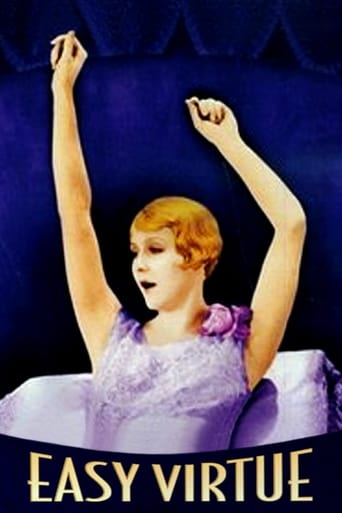
Dorothy Boyd
Actor
Born: 1907 in Sanderstead, Surrey, England Died: 1996 Active: 1928-1935
Films
1 film
About Dorothy Boyd
Made her mark during the transition from silent films to early talkies in British cinema. Born in 1907, she began her acting career in the late 1920s, securing a notable role in Alfred Hitchcock's silent film 'Easy Virtue' (1928), which was adapted from a Noël Coward play. Her performance in this film, though brief, showcased her ability to convey emotion through the subtle techniques required in silent cinema. Boyd continued her career into the early sound era, appearing in several British films throughout the 1930s, though she never achieved the stardom of some of her contemporaries. Her filmography includes roles in both dramatic and light comedy productions, demonstrating versatility as an actress. By the mid-1930s, her film appearances became less frequent, and she eventually retired from acting. Boyd's career, while not extensive, represents the experience of many talented actors of her era who navigated the challenging transition between silent and sound cinema in Britain.
The Craft
On Screen
As a silent film actress, Dorothy Boyd employed the expressive facial techniques and body language characteristic of the era, with the ability to convey complex emotions through subtle gestures and expressions. Her style adapted well to the transition to sound films, where she demonstrated a natural speaking voice and the ability to deliver dialogue with authenticity.
Milestones
- Appeared in Alfred Hitchcock's 'Easy Virtue' (1928)
- Transitioned successfully from silent films to early talkies
- Worked with prominent British film studios of the 1930s
- Appeared in multiple films during the early sound era
Best Known For
Iconic Roles
Must-See Films
Working Relationships
Worked Often With
Studios
Why They Matter
Impact on Culture
Dorothy Boyd's contribution to cinema, while not widely recognized in mainstream film history, represents the important work of supporting actors during the crucial transition period between silent and sound films in Britain. Her appearance in Hitchcock's 'Easy Virtue' places her within the early career of one of cinema's most influential directors, making her part of the foundation of British film history. The film itself was significant as an early adaptation of Noël Coward's work, helping to establish the practice of bringing theatrical works to the screen.
Lasting Legacy
Dorothy Boyd's legacy is preserved through her surviving film work, particularly her role in 'Easy Virtue,' which continues to be studied by film historians and Hitchcock enthusiasts. Her career exemplifies the experience of many actors from the late silent and early sound era who contributed to the development of British cinema during its formative years. While not a major star, her work remains an important part of film history, representing the talent and dedication of the supporting actors who helped create the golden age of British cinema.
Who They Inspired
As a supporting actress of the silent and early sound era, Dorothy Boyd's direct influence on other performers is not well-documented. However, her successful transition from silent to sound films demonstrated the adaptability required of actors during this revolutionary period in cinema history. Her work in Hitchcock's early films contributes to our understanding of the director's development and the evolution of British film techniques during the late 1920s and early 1930s.
Off Screen
Dorothy Boyd led a relatively private life away from the spotlight of her film career. She married and had a family, eventually stepping away from acting to focus on her personal life. Details about her marriages and family life remain largely private, reflecting the discretion common among actors of her generation who valued their privacy outside of their professional work.
Did You Know?
- Appeared in Alfred Hitchcock's third feature film as a director
- 'Easy Virtue' was one of the first films to adapt a Noël Coward play to the screen
- The film was considered lost for many years before a print was discovered
- Worked during the challenging transition period from silent films to talkies
- Her active years covered both the final years of British silent cinema and the early sound era
- Like many actors of her time, she worked with multiple studios rather than being under exclusive contract
- Her filmography, while not extensive, includes work with several prominent directors of British cinema
Frequently Asked Questions
Who was Dorothy Boyd?
British actress active during the late 1920s and early 1930s, best known for her role in Alfred Hitchcock's silent film 'Easy Virtue' (1928). She worked during the crucial transition period between silent and sound films in British cinema.
What films is Dorothy Boyd best known for?
Titles linked here include Easy Virtue (1928), The First Born (1928).
When was Dorothy Boyd born and when did she die?
Born 1907; died 1996.
What awards did Dorothy Boyd win?
There are no recorded major awards or nominations for Dorothy Boyd during her acting career. Like many supporting actors of her era, her contributions were recognized through her continued employment rather than formal awards.
What was Dorothy Boyd's acting style?
Dorothy Boyd employed the expressive techniques characteristic of silent film acting, using facial expressions and body language to convey emotion. She successfully adapted this style for early sound films, demonstrating natural dialogue delivery and the versatility required during cinema's transition to sound.
How was Dorothy Boyd connected to Alfred Hitchcock?
Dorothy Boyd appeared in Hitchcock's 1928 film 'Easy Virtue,' which was one of the director's early feature films. This connection places her within the early career of one of cinema's most influential directors.
Why did Dorothy Boyd's career end in the mid-1930s?
Like many actors of her generation, Dorothy Boyd's film career became less frequent by the mid-1930s, possibly due to personal choices, marriage, or the changing demands of the film industry as it matured. She eventually retired from acting to focus on her personal life.