
Films
2 films
About Nripati Chatterjee
Character actor in Bengali cinema during the late 1950s and early 1960s, primarily known for his work in India's parallel cinema movement. Nripati appears in supporting roles that showcased his ability to portray authentic middle-class Bengali characters with naturalistic performances. His most notable work came through his collaboration with acclaimed director Satyajit Ray, particularly in the anthology film 'Teen Kanya' (Three Daughters, 1961). Chatterjee's brief but impactful the formative years of modern Indian cinema, where he contributed to films that were gaining international recognition. His acting style reflected the realistic approach that characterized the new wave of Indian filmmaking, moving away from the theatrical traditions of earlier Indian cinema. Though his filmography was limited, his performances in these landmark films secured his place in the history of Indian parallel cinema.
The Craft
On Screen
Naturalistic and realistic approach, specializing in portraying middle-class Bengali characters with authenticity and subtlety
Milestones
- Appeared in Satyajit Ray's 'Teen Kanya' (1961)
- Worked during the golden era of Bengali parallel cinema
- Contributed to internationally acclaimed Indian films
Best Known For
Iconic Roles
Must-See Films
Working Relationships
Worked Often With
Why They Matter
Impact on Culture
Nripati Chatterjee contributed to the parallel cinema movement in India that sought to create realistic, socially relevant films as an alternative to mainstream commercial cinema. His work in films like 'Teen Kanya' helped establish the credibility of Bengali cinema on the international stage, particularly during a period when Indian films were gaining recognition at major film festivals. As part of Satyajit Ray's films, he participated in creating works that would influence generations of Indian filmmakers and contribute to the global appreciation of Indian cinema as an art form.
Lasting Legacy
Though not widely known outside of film circles, Nripati Chatterjee's legacy lives on through his contributions to landmark films of Indian cinema history. His performances in the early 1960s represent the authentic, naturalistic acting style that defined India's parallel cinema movement. As a character actor during this pivotal period, he helped establish the foundation for realistic acting in Indian art cinema that would influence subsequent generations of performers.
Who They Inspired
As a supporting actor in influential films, Chatterjee's naturalistic approach to characterization contributed to the broader movement toward realism in Indian cinema. His work exemplified the shift away from theatrical acting styles that had dominated earlier Indian films, helping to establish a new standard for authentic performance in art cinema.
Off Screen
Limited information is available about Nripati Chatterjee's personal life, as he was primarily known for his work as a character actor rather than as a mainstream celebrity.
Did You Know?
- Appeared in 'Teen Kanya', an anthology film by Satyajit Ray that won critical acclaim internationally
- Worked during a transformative period in Bengali cinema when it was gaining global recognition
- His brief active years covered only four years but included work on historically significant films
- Part of the generation of actors who helped establish the parallel cinema movement in India
- His films were part of the new wave that brought Indian cinema to international film festivals
Frequently Asked Questions
Who was Nripati Chatterjee?
Bengali character with credits in this catalog.
What films is Nripati Chatterjee best known for?
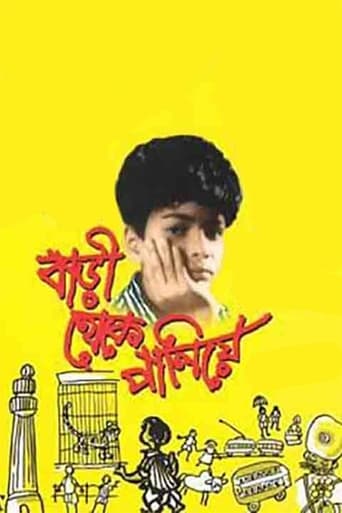
Titles linked here include Teen Kanya (Three Daughters, 1961), Runaway (1958).
When was Nripati Chatterjee active in cinema?
Nripati Chatterjee had a brief but significant career spanning from 1958 to 1961, during which he contributed to important works of Bengali parallel cinema.
What was Nripati Chatterjee's acting style?
Chatterjee was known for his naturalistic and realistic acting approach, specializing in portraying authentic middle-class Bengali characters with subtlety and depth.
How did Nripati Chatterjee contribute to Indian cinema?
He contributed to the parallel cinema movement that brought international recognition to Indian films, particularly through his work in Satyajit Ray's internationally acclaimed productions.