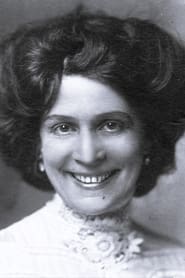
Rosa Gore
Actor
- Active
- 1919-1930
Films 2
About Rosa Gore
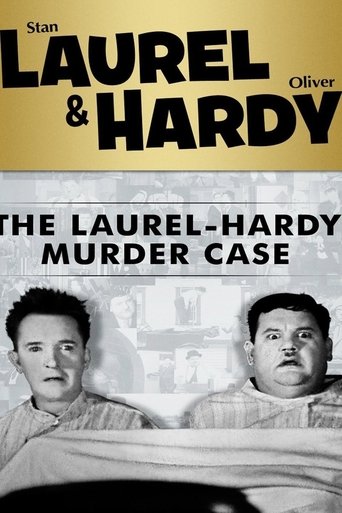
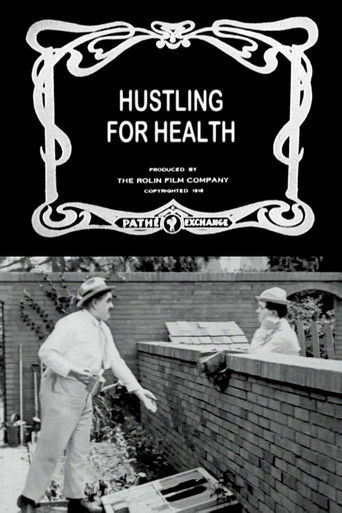
Rosa Gore was a small but noteworthy presence in early American cinema, appearing during the silent era and the first years of sound film. She is documented in surviving filmographies as being active from at least 1919 through 1930, with credits that include the silent short Hustling for Health (1919) and the Laurel and Hardy comedy The Laurel-Hardy Murder Case (1930). Like many character performers of the period, she appears to have worked steadily in supporting roles rather than as a marquee star, contributing to the texture and realism of studio-produced films. Her screen work places her within the transitional generation of actors who moved from late silent productions into the early talkies, adapting to changing production styles and performance demands. Beyond these film credits, readily verifiable biographical details such as her birth date, birthplace, family background, and later life are not well documented in standard reference sources. Because of that, much of her significance lies in her participation in the film industry’s formative decades and in the surviving record of her screen appearances. She remains a representative figure of the many working actors whose careers helped sustain classic Hollywood and silent-era production but who did not receive extensive contemporary publicity.
More about Rosa Gore
On screen
No detailed contemporary descriptions of her acting style are readily documented. Based on the era and the kinds of films in which she appeared, her performances would likely have relied on the economical, expressive body language typical of silent-era and transitional-screen character acting, with a practical emphasis on clarity, timing, and support of the scene rather than star-centered display. In early talkies, performers in her position often adapted to more naturalistic speech rhythms and simpler gesture, but no specific reviews or analyses are widely preserved for Rosa Gore.
In film history
Rosa Gore’s cultural impact is best understood as part of the broader labor history of early Hollywood rather than through stardom or celebrity. She belonged to the large cadre of supporting performers whose work gave silent films and early talkies their lived-in quality, helping studios populate stories with believable character presence. Even when individual names were not heavily promoted, these actors were essential to the functioning of the studio system and to the development of screen comedy, melodrama, and social problem films. Her appearance in a Laurel and Hardy title also places her within one of the most enduring comic traditions in film history, even if her role itself was not prominently publicized.
Later reputation
Rosa Gore’s legacy rests in the surviving record of her film appearances and in her representation of the many under-credited performers of classic cinema. While she is not remembered as a major star, her career illustrates how the film industry depended on a broad base of working actors whose names rarely survived in popular memory. For historians and database researchers, figures like Gore are important because they help reconstruct the fuller personnel history of the silent era and early sound period. Her presence in a 1919 silent and a 1930 Laurel and Hardy film also makes her a small but useful link between two key phases of early film history.
Influence
No direct influence on later actors or directors is specifically documented. Her broader influence is indirect: as part of the silent-era and early sound workforce, she contributed to performance traditions that shaped screen acting norms, especially in supporting roles. The cumulative influence of such performers helped establish the conventions of ensemble acting, timing, and visual storytelling that later generations inherited.
Off screen
No reliable public biographical information is readily available regarding Rosa Gore's personal life, including marriages, children, or later activities outside the screen. She does not appear to have left behind a substantial public record in mainstream film encyclopedias, which is common for many supporting players of the silent and early sound eras. As a result, her private life remains largely undocumented in accessible sources.
Education
No verified information is readily available about her education or training.
Credits
- Appeared in the silent film Hustling for Health (1919), placing her on screen during the late silent era.
- Worked through the industry's transition from silent films to early sound productions.
- Was cast in The Laurel-Hardy Murder Case (1930), connecting her to the popular Laurel and Hardy comedy cycle.
- Maintained a screen career over more than a decade, suggesting regular employment in supporting or character roles.
- Represents the many lesser-documented performers who contributed to early studio filmmaking and ensemble casts.
Roles
- Supporting performer in Hustling for Health (1919)
- Supporting performer in The Laurel-Hardy Murder Case (1930)
Films
- Hustling for Health (1919)
- The Laurel-Hardy Murder Case (1930)
Collaborators
- No consistently documented collaborators can be confirmed from the available information.
- Her known 1930 credit places her within the Laurel and Hardy production orbit, though no repeated collaboration is firmly documented.
Notes
- Rosa Gore is one of many early film performers whose surviving record is sparse despite documented screen credits.
- Her filmography spans the transition from silent cinema to early talkies.
- She appeared in a Laurel and Hardy film, linking her name to one of the most famous comedy teams in film history.
- No widely cited interviews, memoirs, or publicity profiles are readily associated with her.
- Her credit in Hustling for Health dates her activity to the late 1910s, when the American film industry was rapidly consolidating.
- Like many supporting players of her era, she may have appeared in additional films that are not easily verified in current reference material.
- Her career illustrates how many classic-era actors worked without becoming major marquee names.
- She is an example of the kind of performer whose historical footprint survives primarily through film databases and surviving credits.
Questions
Who was Rosa Gore?
Rosa Gore was an American screen actor active in the silent era and early sound period. She is known primarily for supporting roles in films such as Hustling for Health (1919) and The Laurel-Hardy Murder Case (1930).
What films is Rosa Gore best known for?
Her best-documented screen credits include Hustling for Health (1919) and The Laurel-Hardy Murder Case (1930). These two films bracket her known career and show her working across the silent-to-sound transition.
When was Rosa Gore born and when did she die?
Her birth and death dates are not reliably documented in readily available standard reference sources. Likewise, her birthplace and later-life details remain unverified in the accessible historical record.
What awards did Rosa Gore win?
No awards or major nominations are currently verifiable for Rosa Gore in the surviving public record. Like many supporting performers of early Hollywood, her career is preserved more through film credits than through formal honors.
What was Rosa Gore's acting style?
No detailed contemporary criticism of her acting style is widely available. Based on her era, her work would likely have depended on the concise, expressive style typical of silent and early sound character acting, with an emphasis on clear screen presence and ensemble support.
What is Rosa Gore's legacy in film history?
Rosa Gore's legacy lies in the historical record of early Hollywood labor and performance, especially among lesser-known supporting actors. She represents the many working professionals whose contributions helped define the texture of classic cinema even when they were not stars.