Films
2 films
About Mikhail Rostovtsev
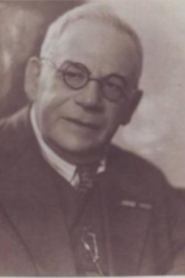
Soviet actor active during the early sound era of Soviet cinema in the 1930s. His known filmography consists of two significant films from 1934, suggesting he may have been primarily a stage actor who made occasional film appearances, or perhaps a character actor who had a brief film career. His work in 'Lieutenant Kizhe' and 'Crown Prince of the Republic' places him Soviet cinema when the industry was transitioning from silent films to sound productions. The fact that both films were released in the same year indicates either a concentrated period of film work or possibly that his film career was limited to this specific timeframe. Unfortunately, detailed biographical information about his early life, training, or broader career trajectory remains scarce in available historical records.
The Craft
Milestones
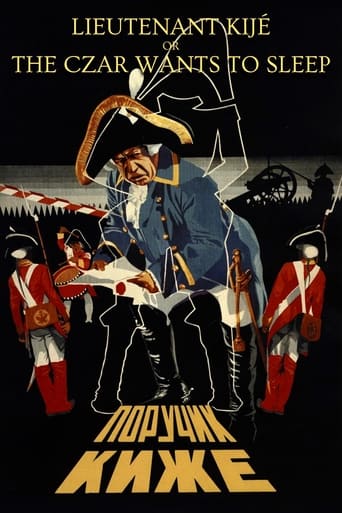
- Appeared in the classic Soviet satire 'Lieutenant Kizhe' (1934)
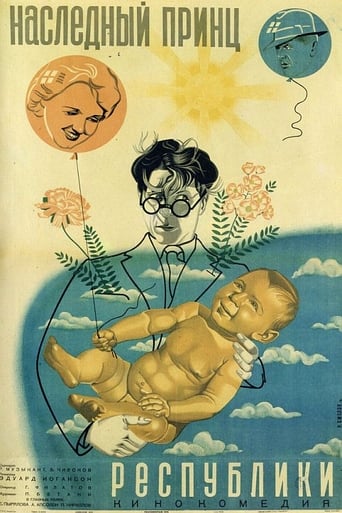
- Starred in 'Crown Prince of the Republic' (1934)
- Worked during the transition period from silent to sound cinema in the Soviet Union
Best Known For
Must-See Films
Working Relationships
Worked Often With
Why They Matter
Impact on Culture
Mikhail Rostovtsev's contribution to Soviet cinema, while limited in scope, is preserved through his participation in 'Lieutenant Kizhe,' which has become. This film, in particular, has endured as a classic example of Soviet satire and political commentary disguised as comedy. Though his role may have been supporting, his presence in such a significant work connects him to an important moment in Soviet film history when directors were exploring new possibilities in sound cinema while navigating the complex political landscape of Stalinist Russia.
Lasting Legacy
Mikhail Rostovtsev's legacy is preserved through his association with 'Lieutenant Kizhe,' a film that continues to be studied and appreciated by film historians and cinema enthusiasts worldwide. While his individual contribution may be difficult to assess due to limited documentation, his participation in these early Soviet sound films represents the collective effort of actors who helped establish the foundation of Soviet cinema during its formative years. The films he appeared in serve as important cultural artifacts that provide insight into the artistic and political climate of 1930s Soviet Union.
Who They Inspired
Due to the limited available information about Mikhail Rostovtsev's career and influence, it's difficult to trace his specific impact on other actors or filmmakers. However, actors who worked during this period in Soviet cinema contributed to the development of a unique film aesthetic that would influence generations of Soviet and Russian filmmakers to come.
Off Screen
Very little information is available about Mikhail Rostovtsev's personal life, family background, or relationships. The scarcity of biographical details suggests he may have been primarily a character actor or stage performer rather than a major film star of the era.
Did You Know?
- Appeared in two films in 1934, both released during a significant period in Soviet cinema history
- Worked during the early sound era when Soviet cinema was transitioning from silent films
- Participated in 'Lieutenant Kizhe,' which became
- The film 'Lieutenant Kizhe' was notable for its innovative use of sound and music
- Both films he appeared in were produced during Stalin's regime, when cinema was heavily regulated
Frequently Asked Questions
Who was Mikhail Rostovtsev?
Screen credits include two films in 1934, 'Lieutenant Kizhe' and 'Crown Prince of the Republic.' He was active during the early sound era of Soviet cinema, though detailed biographical information about him remains limited.
What films is Mikhail Rostovtsev best known for?
Titles linked here include Lieutenant Kizhe (1934), Crown Prince of the Republic (1934).
When was Mikhail Rostovtsev active in film?
Mikhail Rostovtsev's known film activity was limited to 1934, during which he appeared in two films. This suggests he may have had a brief film career or was primarily active in other theatrical mediums.
What was significant about 'Lieutenant Kizhe'?
'Lieutenant Kizhe' is considered a masterpiece of early Soviet cinema, notable for its satirical take on bureaucracy and military hierarchy. The film featured innovative use of sound and music, and has endured as.
Why is there limited information about Mikhail Rostovtsev?
The scarcity of biographical information about Mikhail Rostovtsev likely reflects that he was not a major star of the era, and many records from early Soviet cinema may be incomplete or difficult to access. He may have been primarily a stage actor or character actor with limited film appearances.