Frank Craven
Actor
Born: August 24, 1881 in Boston, Massachusetts, USA Died: September 1, 1945 Active: 1905-1945 Birth Name: Frank Arthur Craven
Films
2 films
About Frank Craven
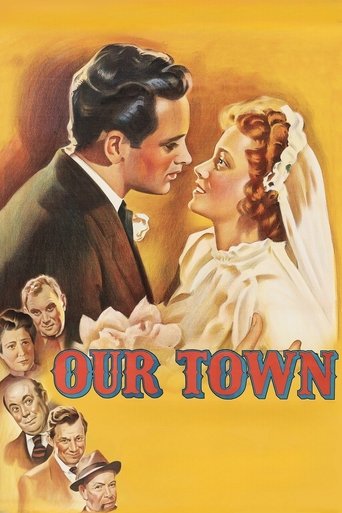
Frank Craven worked on one surviving credit: The First Year (1920). Born in Boston in 1881, Craven began his theatrical career in the early 1900s, establishing himself as a successful playwright with hits like 'The First Year' (1920) and 'Spice of Life' (1931). His most enduring legacy comes from creating and originating the role of the Stage Manager in Thornton Wilder's Pulitzer Prize-winning play 'Our Town' on Broadway in 1938, a performance that would become his signature. Craven transitioned this role to the silver screen in the 1940 film adaptation, bringing his warm, philosophical presence to a wider audience. Throughout the 1930s and 1940s, he appeared in over 40 films, often playing wise, gentle father figures or authority figures with a folksy charm. His career was cut short by his death in 1945, but his contributions to both stage and screen on American theater and cinema.
The Craft
On Screen
Craven was known for his natural, understated acting style that emphasized warmth, wisdom, and authenticity. His performances were characterized by a gentle, conversational delivery that made audiences feel like they were listening to a trusted friend or family member. He had a distinctive voice quality that combined New England reserve with genuine warmth, perfect for his signature role as the philosophical Stage Manager. His approach was rooted in theatrical traditions but adapted seamlessly to the more intimate medium of film.
Milestones
- Reprised Stage Manager role in film adaptation of 'Our Town' (1940)
- Wrote successful Broadway play 'The First Year' (1920)
- Appeared in over 40 films during Hollywood's Golden Age
- Established himself as a character actor specializing in warm, paternal roles
Best Known For
Iconic Roles
Must-See Films
Accolades
Special Recognition
- Inducted into the American Theatre Hall of Fame (posthumously)
Working Relationships
Worked Often With
Studios
Why They Matter
Impact on Culture
Frank Craven's portrayal of the Stage Manager in 'Our Town' created an archetype in American theater that influenced countless subsequent productions. His interpretation established the character as both narrator and participant, breaking the fourth wall in a way that was revolutionary for its time. The role became so identified with Craven that his performance set the standard for all future interpretations, both on stage and screen. His work helped bridge the gap between theatrical realism and the more experimental techniques that would emerge in mid-20th century American drama.
Lasting Legacy
Frank Craven's legacy endures primarily through his definitive portrayal of the Stage Manager in 'Our Town', a role that has become part of the American theatrical canon. As a playwright, his success with 'The First Year' demonstrated his versatility and understanding of dramatic structure, influencing other actor-playwrights of his era. His film performances, while often in supporting roles, contributed significantly to some of Hollywood's most prestigious productions of the 1940s. Today, theater historians recognize Craven as a crucial figure in the development of American dramatic performance, particularly in his ability to blend theatrical tradition with cinematic naturalism.
Who They Inspired
Craven influenced generations of actors through his naturalistic approach to performance, particularly in breaking down the barriers between performer and audience. His work in 'Our Town' inspired future actors to embrace more direct, conversational styles of performance. Many character actors of the 1940s and 1950s cited Craven as an influence in developing their own approaches to playing wise, paternal figures. His success as both actor and playwright also paved the way for other theater artists to transition between creative roles in the entertainment industry.
Off Screen
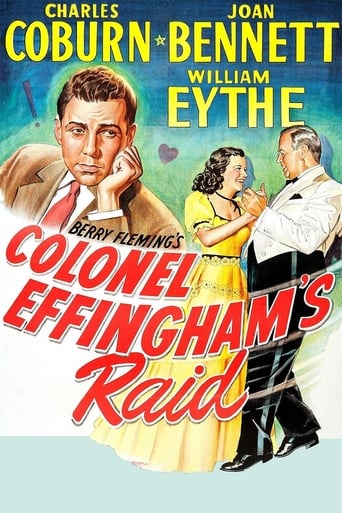
Frank Craven was married to Canadian actress Pauline Garon from 1926 until his death in 1945. The couple had one daughter together. Craven was known in Hollywood circles as a devoted family man and a respected elder statesman of both stage and screen. Despite his success, he maintained a relatively private personal life, focusing more on his craft than on celebrity. His death at age 64 from a heart attack came shortly after completing work on 'Colonel Effingham's Raid', leaving behind a legacy as both a talented performer and a successful playwright.
Education
Attended Boston public schools; largely self-taught in theater arts through practical experience
Family
- Pauline Garon (1926-1945)
Did You Know?
- Wrote the hit Broadway play 'The First Year' which ran for 760 performances
- His play 'The First Year' was adapted into a film three times (1926, 1929, 1937)
- Originally turned down the role of Stage Manager in 'Our Town' but was persuaded by Thornton Wilder
- Was a close friend of fellow actor Edward G. Robinson
- Made his Broadway debut in 1905 in 'The Prince of Pilsen'
- Served in the U.S. Army during World War I
- Was one of the few actors to successfully transition from playwright to character actor
- His final film 'Colonel Effingham's Raid' was released posthumously
- Was known for his distinctive New England accent which he incorporated into many roles
- Was a founding member of the Actors' Equity Association
In Their Own Words
There's something way down deep that's eternal about every human being.
We all know that something is eternal. And it ain't houses and it ain't names, and it ain't earth, and it ain't even the stars. Everybody knows in their bones that something is eternal, and that something has to do with human beings.
Do any human beings ever realize life while they live it?—every, every minute?
Frequently Asked Questions
Who was Frank Craven?
American with credits in this catalog. He had a career spanning four decades in both theater and Hollywood, appearing in over 40 films and writing several successful plays.
What films is Frank Craven best known for?
Titles linked here include Our Town (1940), Colonel Effingham's Raid (1946).
When was Frank Craven born and when did he die?
Born August 24, 1881; died September 1, 1945.
What awards did Frank Craven win?
While Frank Craven did not receive major film awards during his lifetime, he was posthumously inducted into the American Theatre Hall of Fame for his contributions to American theater, particularly his iconic work in 'Our Town'.
What was Frank Craven's acting style?
Frank Craven was known for his natural, understated acting style characterized by warmth, wisdom, and authenticity. His performances featured a gentle, conversational delivery that made audiences feel comfortable, and he had a distinctive voice that combined New England reserve with genuine warmth, perfect for paternal and philosophical roles.
Did Frank Craven write plays?
Yes, Frank Craven was also a successful playwright. His most successful play was 'The First Year' (1920), which ran for 760 performances on Broadway and was adapted into films three times. He also wrote other plays including 'Spice of Life' (1931).
What was Frank Craven's connection to 'Our Town'?
Frank Craven created and originated the role of the Stage Manager in the original Broadway production of 'Our Town' in 1938, working directly with playwright Thornton Wilder. He then reprised this iconic role in the 1940 film adaptation, and his performance became the definitive interpretation that influenced all future productions of the play.