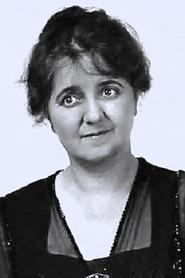
Rose Tapley
Actor
Born: June 29, 1881 in New York City, New York, USA Died: February 23, 1956 Active: 1912-1938 Birth Name: Rose Evelyn Tapley
Films
4 films

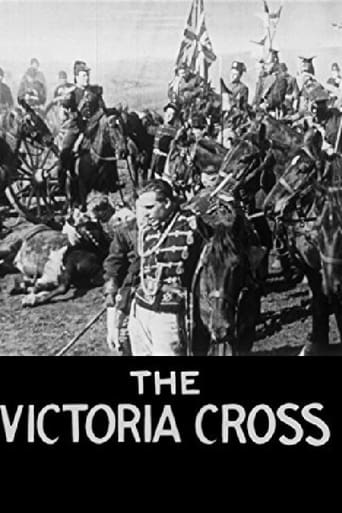

About Rose Tapley
Rose Evelyn Tapley — American actress whose the formative years of American cinema, from the silent era through the transition to sound. Born in New York City in 1881, she began her film career in the early 1910s with Vitagraph Studios, one of the film production companies of the era. Throughout the 1910s and 1920s, she appeared in numerous short films and features, establishing herself as a reliable character actress capable of playing various supporting roles. She married director Harry Solter, a prominent figure in early cinema who worked extensively with Mary Pickford. Following Solter's death in 1920, Rose continued her acting career, successfully making the transition to sound films in the late 1920s and 1930s. Her final film appearance was in the exploitation film 'Sex Madness' in 1938, marking the end of a career that had spanned over two decades of dramatic change in the film industry. Tapley's career exemplifies the journey of many character actors who formed the backbone of early Hollywood, adapting to technological changes while consistently delivering solid performances across hundreds of productions.
The Craft
On Screen
Rose Tapley was known for her naturalistic acting style that adapted well to both silent and sound films. During the silent era, she excelled at conveying emotion through subtle facial expressions and body language, avoiding the exaggerated gestures common in early cinema. Her performances were characterized by their authenticity and restraint, making her particularly effective in maternal and supporting character roles. When sound films emerged, her clear diction and natural speaking voice allowed for a smooth transition, unlike many of her contemporaries who struggled with the new medium.
Milestones
- Early work with Vitagraph Studios in the 1910s
- Successful transition from silent films to talkies
- Marriage to prominent director Harry Solter
- Appeared in over 100 films during her career
- Worked consistently through the major technological changes in cinema
Best Known For
Iconic Roles
Must-See Films
Working Relationships
Worked Often With
Studios
Why They Matter
Impact on Culture
Rose Tapley represents the generation of character actors who provided the essential foundation for early American cinema. Her career trajectory, spanning from the primitive one-reelers of 1912 to the more sophisticated sound films of 1938, mirrors the evolution of the film industry itself. As a woman who worked consistently through this transformative period, she contributed to the establishment of film acting as a legitimate profession and helped develop the techniques that would become standard in cinema. Her ability to adapt to technological changes while maintaining her career serves as an example of the resilience required of actors during cinema's formative decades.
Lasting Legacy
Rose Tapley's legacy lies in her representation of the countless character actors who were essential to early Hollywood's success but whose names are largely forgotten today. Her filmography, though not extensively preserved, provides valuable insight into the types of roles available to women in early cinema and the evolution of acting styles from the silent era through the transition to sound. She exemplifies the working actor who adapted to changing times while consistently delivering reliable performances, contributing to the development of American film as both an art form and an industry.
Who They Inspired
While not a major star who directly influenced future generations of actors, Rose Tapley's work contributed to the establishment of naturalistic acting techniques in early cinema. Her successful transition from silent to sound films demonstrated the importance of adaptability in an evolving industry, setting an example for future actors. Her consistent character work helped establish the importance of supporting roles in creating believable film worlds, influencing how studios would cast and develop ensemble productions in subsequent decades.
Off Screen
Rose Tapley was married to Harry Solter, a prominent actor and director in early American cinema who was instrumental in developing the careers of many silent film stars, particularly Mary Pickford. Their marriage connected her to. Following Solter's death in 1920, Tapley continued her acting career independently, demonstrating her resilience and dedication to her craft. She maintained a relatively private personal life away from the spotlight, focusing on her work rather than seeking publicity.
Education
No formal acting education documented; likely learned through practical experience in the early film industry
Family
- Harry Solter (m. 1912-1920, his death)
Did You Know?
- Appeared in over 100 films during her 26-year career
- Worked with Vitagraph Studios, one of the first major film production companies
- Married to director Harry Solter who directed many early Mary Pickford films
- Successfully made the transition from silent films to talkies
- Her final film was the exploitation movie 'Sex Madness' (1938)
- Many of her silent films are now considered lost
- She was part of the generation that established film acting as a distinct art form from stage acting
- Her active years covered the entire transition from early one-reel shorts to feature-length sound films
- She often played maternal figures despite not having children of her own
- Represented the typical working character actress of early Hollywood
Frequently Asked Questions
Who was Rose Tapley?
American character actress who worked in films from 1912 to 1938, spanning the silent era and early sound period. She appeared in over 100 films and was married to director Harry Solter, working primarily in supporting roles throughout her career.
What films is Rose Tapley best known for?
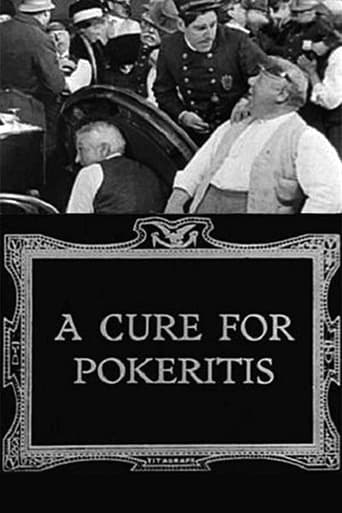
Titles linked here include A Cure for Pokeritis (1912), Sex Madness (1938).
When was Rose Tapley born and when did she die?
Born June 29, 1881; died February 23, 1956.
What awards did Rose Tapley win?
Rose Tapley did not receive any major documented awards during her career, which was common for character actors of her era during the early days of cinema when formal award systems were not yet established.
What was Rose Tapley's acting style?
Rose Tapley was known for her naturalistic acting style that avoided the exaggerated gestures common in early silent films. She excelled at conveying emotion subtly and adapted well to sound films with her clear diction and natural speaking voice.