Films
2 films
About Toyo Fujita
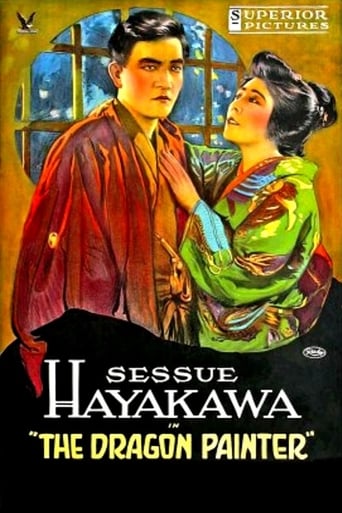
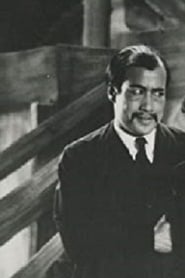
Toyo Fujita was cast in American silent films during the early 20th century. His known filmography consists primarily of his role in the 1919 silent drama 'The Dragon Painter,' where he worked alongside the celebrated Japanese actor Sessue Hayakawa. Fujita was part of the wave of Asian actors who found opportunities in Hollywood during the silent era, though often in supporting or stereotypical roles. His appearance in 'The Dragon Painter' places him within the context of early Asian representation in American cinema, a period when films featuring Asian themes and characters were gaining popularity. The film itself was produced by Hayakawa's own production company, Haworth Pictures Corporation, which was notable for being one of the first independent production companies owned by a minority actor in Hollywood. Fujita's career appears to have been brief, with documented work limited to the 1919 production year, which was not uncommon for many supporting actors of this period, particularly those from minority backgrounds who faced limited opportunities in the industry.
The Craft
Milestones
- Appeared in 'The Dragon Painter' (1919)
- Worked with Asian-American actor Sessue Hayakawa
- Participated in early Hollywood productions featuring Asian themes
Best Known For
Iconic Roles
Must-See Films
Working Relationships
Worked Often With
Studios
Why They Matter
Impact on Culture
Toyo Fujita represents the early presence of Asian actors in American cinema during the silent era, a period when opportunities for non-white performers were extremely limited. His participation in 'The Dragon Painter' contributed to the rare instances of authentic Asian representation in early Hollywood, as the film featured an predominantly Asian cast rather than white actors in yellowface. This was significant given the prevalent practice of the era, where major studios typically cast white actors in Asian roles. Fujita's work, along with that of other Asian actors of the period, helped establish a foundation for future Asian representation in American cinema, even though their individual contributions were often overlooked by mainstream film history.
Lasting Legacy
While Toyo Fujita's legacy is not widely documented, his contribution to early Asian-American cinema is historically significant as part of the collective effort to bring authentic Asian representation to Hollywood during its formative years. His appearance in 'The Dragon Painter' places him among the Asian actors who worked against the odds to find opportunities in an industry that was often exclusionary. The film itself has been preserved by archives and recognized for its cultural importance, ensuring that Fujita's contribution, however small, remains part of the historical record of Asian participation in American cinema.
Who They Inspired
As a supporting actor from the silent era, Toyo Fujita's direct influence on subsequent generations of actors is difficult to trace. However, his participation in early Hollywood productions featuring Asian casts contributed to the gradual breaking down of barriers that would eventually allow for greater Asian representation in American cinema. The very existence of actors like Fujita in early Hollywood helped establish precedents for authentic casting that would influence later filmmakers and casting directors.
Off Screen
Very little is documented about Toyo Fujita's personal life, which is typical for many supporting actors from the silent era, particularly those from minority backgrounds whose personal details were often not preserved in historical records.
Did You Know?
- Appeared in 'The Dragon Painter' (1919), which was one of the few silent era films to feature an predominantly Asian cast
- Worked with Sessue Hayakawa, one of the first Asian movie stars in Hollywood and the first Asian actor to achieve international fame
- The film was produced by Haworth Pictures Corporation, Hayakawa's own production company
- 'The Dragon Painter' was based on a story by Mary McNeil Fenollosa and was filmed in California's Yosemite Valley
- The film has been preserved by the George Eastman Museum and is considered an important artifact of early Asian-American cinema
- Very few details about Fujita's life and career survive, which is typical for many supporting actors from this period
- His film career appears to have been limited to a single year (1919), which was not uncommon for character actors of the silent era
Frequently Asked Questions
Who was Toyo Fujita?
Screen credits include American silent films during the early 20th century, best known for his role in the 1919 film 'The Dragon Painter' alongside Sessue Hayakawa. His career appears to have been brief, with documented work limited to the 1919 production year.
What films is Toyo Fujita best known for?
Titles linked here include The Dragon Painter (1919).
When was Toyo Fujita born and when did he die?
Specific birth and death dates for Toyo Fujita are not documented in available historical records, which is common for many supporting actors from the silent era, particularly those from minority backgrounds whose personal details were not preserved.
What awards did Toyo Fujita win?
There are no documented awards or nominations for Toyo Fujita, which was typical for supporting actors of the silent era, especially those in minor roles who often went unrecognized by award ceremonies of the period.
What was Toyo Fujita's acting style?
Specific details about Toyo Fujita's acting style are not documented in available sources, as he was a supporting actor in a single known film and detailed reviews focusing on individual performances from minor cast members were rare during the silent era.