Films
1 film
About Kunio Tamura
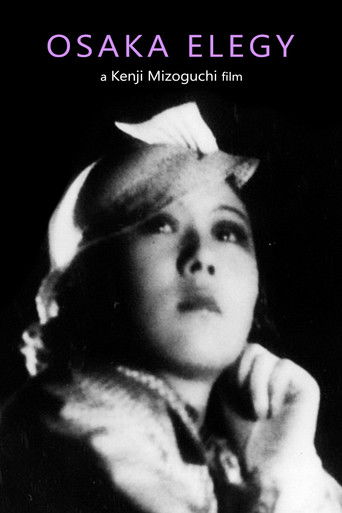
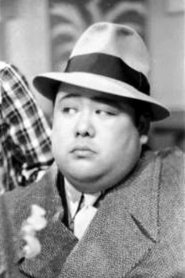
Japanese actor active during the mid-1930s, best known for his role in Kenji Mizoguchi's acclaimed film Osaka Elegy (1936). His career appears to have been brief, with documented activity primarily concentrated in the year 1936. Tamura worked during a transitional period in Japanese cinema when the industry was moving from silent films to sound productions. His appearance in Osaka Elegy, considered one of Mizoguchi's masterpieces and a significant work of Japanese social realism, places him within an important moment in film history. Despite his limited filmography, his participation in this critically acclaimed film demonstrates his involvement with Japan's emerging cinematic auteurs. The brevity of his documented career suggests he may have been a character actor or someone who left the film industry shortly after his debut. His work represents the numerous supporting actors who contributed to Japan's golden age of cinema but remain largely undocumented in Western film histories.
The Craft
Milestones
- Appeared in Kenji Mizoguchi's Osaka Elegy (1936)
- Contributed to early Japanese sound cinema during its formative years
Best Known For
Iconic Roles
Must-See Films
Working Relationships
Worked Often With
Studios
Why They Matter
Impact on Culture
Kunio Tamura's contribution to cinema, while limited in scope, is part of the broader tapestry of Japanese film history during its critical development period. His appearance in Osaka Elegy connects him to one of Japan's most important cinematic movements of the 1930s, when directors like Kenji Mizoguchi were establishing the foundation of Japanese cinematic art. The film itself was groundbreaking in its social commentary and realistic portrayal of urban life in Japan, and every actor involved, regardless of the size of their role, contributed to this artistic achievement. Tamura represents the countless supporting actors who were essential to creating these masterpieces but whose individual stories have been largely lost to time.
Lasting Legacy
Kunio Tamura's legacy is primarily tied to his participation in Osaka Elegy, a film that has endured as a classic of world cinema. While his personal legacy may be minimal due to the brevity of his career, his contribution to this important work ensures his place in film history, however small. He serves as an example of the many actors who played crucial roles in cinema's golden age but remain largely anonymous to modern audiences.
Who They Inspired
Due to the limited scope of his documented career, there is no evidence of Kunio Tamura having influenced other actors or filmmakers directly. However, his contribution to Osaka Elegy, a film that influenced generations of filmmakers worldwide, means he indirectly participated in shaping cinematic history through this collaborative art form.
Off Screen
Very little information is available about Kunio Tamura's personal life, reflecting the limited documentation of many supporting actors from early Japanese cinema. His brief recorded career suggests he may have pursued other professional paths outside of the film industry.
Did You Know?
- Appeared in only one documented film, Osaka Elegy (1936)
- Worked with acclaimed director Kenji Mizoguchi during a peak period of his career
- Participated during the transition from silent to sound cinema in Japan
- His role was during a time when Japanese cinema was gaining international recognition
- Osaka Elegy was considered controversial in Japan for its critical social commentary
- The film was nearly lost but has been preserved and restored by film archives
- Mizoguchi's films from this period were known for their progressive views on women's issues
- The 1930s were considered a golden age for Japanese social realist cinema
Frequently Asked Questions
Who was Kunio Tamura?
Japanese with credits in this catalog. His career appears to have been brief, with this film being his most documented work.
What films is Kunio Tamura best known for?
Titles linked here include Osaka Elegy (1936).
When was Kunio Tamura active in film?
Kunio Tamura's documented film activity was limited to the year 1936, suggesting he had a very brief career in the film industry during the early sound era of Japanese cinema.
What was significant about Osaka Elegy (1936)?
Osaka Elegy was a groundbreaking Japanese film directed by Kenji Mizoguchi, known for its social realism and critical commentary on Japanese society. It's considered one of the masterpieces of 1930s world cinema.
Did Kunio Tamura win any awards?
There are no documented awards or nominations for Kunio Tamura, which was common for supporting actors of his era, especially those with brief careers.
What was the Japanese film industry like in 1936?
1936 was a significant year in Japanese cinema, marking the full transition to sound films and the emergence of major directors like Mizoguchi who were creating socially conscious works that would later gain international recognition.