
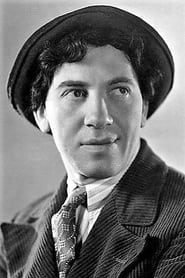
Chico Marx
Actor
Born: March 22, 1887 in New York City, New York, USA Died: October 11, 1961 Active: 1912-1949 Birth Name: Leonard Marx
Films
3 films
About Chico Marx
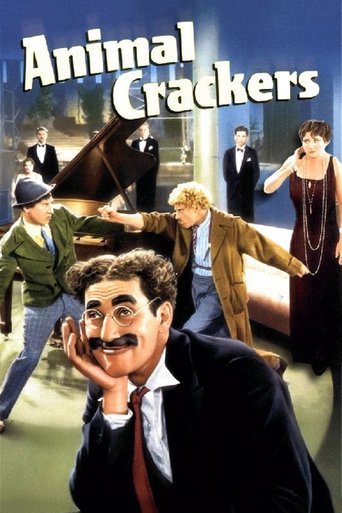
Leonard 'Chico' Marx was born on March 22, 1887, in New York City, and rose to fame as one of the Marx Brothers comedy team. He developed his signature Italian-accented character while working in vaudeville, where he honed his skills as a pianist and comic actor. Chico's character typically portrayed a shrewd, womanizing con artist who could charm his way out of any situation, often serving as the straight man to his brothers' more outrageous antics. His piano playing became a trademark of their films, showcasing his genuine musical talent alongside his comedic timing. Throughout the 1920s and 1930s, he appeared in all of the Marx Brothers' most celebrated films, including 'Animal Crackers,' 'Duck Soup,' and 'A Night at the Opera.' Despite his on-screen persona as a reckless gambler, Chico was actually the business-minded brother who negotiated many of their film contracts. He continued performing with his brothers until their final film together in 1949, after which he struggled with gambling debts that often plagued his personal life. Chico Marx passed away on October 11, 1961, leaving behind a legacy as one of cinema's most beloved comedic performers.
The Craft
On Screen
Chico Marx developed a distinctive acting style centered around his fake Italian accent, which he created to sound more ethnic for vaudeville audiences. His character was typically portrayed as a street-smart con artist with an insatiable appetite for women and gambling, yet possessing a certain charm that made audiences love him. He specialized in rapid-fire dialogue delivery, often misunderstanding words for comedic effect while maintaining a deadpan expression. Chico's physical comedy was more subtle than his brothers', relying on timing and character work rather than slapstick. His piano performances became integral to his style, blending genuine musical talent with comedic interruptions and interactions with his brothers.
Milestones
- Debut in vaudeville with brothers (1912)
- Broadway debut in 'I'll Say She Is' (1924)
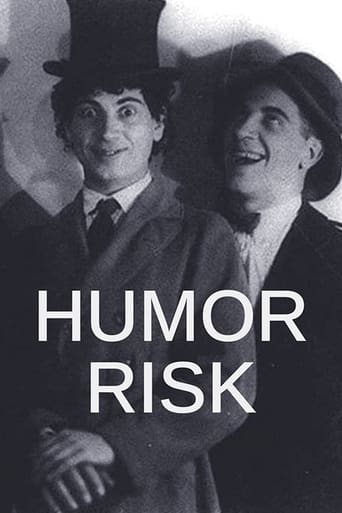
- First film 'Humor Risk' (1921)
- Breakthrough film 'The Cocoanuts' (1929)
- Starred in 'Duck Soup' (1933)
- Triumph in 'A Night at the Opera' (1935)
- Final Marx Brothers film 'Love Happy' (1949)
Best Known For
Iconic Roles
Must-See Films
Accolades
Special Recognition
- Hollywood Walk of Fame Star (1975, posthumous)
- Inducted into the International Comedy Hall of Fame
Working Relationships
Worked Often With
Studios
Why They Matter
Impact on Culture
Chico Marx significantly impacted American comedy through his work with the Marx Brothers, helping establish the anarchic comedy style that would influence generations of comedians. His Italian-accented character, while stereotypical by modern standards, was groundbreaking for its time in ethnic humor and helped pave the way for more diverse comedic representations. The Marx Brothers' films, with Chico's contributions, became classics of American cinema that continue to be studied and enjoyed. His piano playing in films demonstrated that comedy could successfully incorporate high art, influencing later musical comedies. The team's satirical approach to authority figures and institutions in films like 'Duck Soup' had lasting cultural impact, particularly during the Great Depression era.
Lasting Legacy
Chico Marx's legacy endures through the continued popularity of Marx Brothers films, which are regularly screened and studied as masterpieces of American comedy. His distinctive character and comedic timing influenced countless performers, from the Three Stooges to modern comedians. The piano performances he delivered in films remain memorable examples of how musical talent could enhance comedy. As part of the Marx Brothers, he helped create a new form of film comedy that blended vaudeville, satire, and surrealism. His life story, including his struggles with gambling, has become part of Hollywood lore, serving as both inspiration and cautionary tale. The Marx Brothers' induction into various halls of fame and continued cultural references ensure that Chico's contributions to entertainment history remain recognized.
Who They Inspired
Chico Marx influenced comedy through his character-based approach, showing how a consistent persona could drive comedic situations across different films and sketches. His rapid-fire dialogue delivery and wordplay inspired later comedians like Jerry Lewis and Mel Brooks. The ethnic humor he pioneered, while dated, opened doors for later performers to explore cultural identity through comedy. His ability to blend musical performance with comedy influenced later entertainers from Victor Borge to modern comedy-musical performers. The Marx Brothers' anti-authoritarian comedy style, which Chico helped perfect, influenced counterculture comedians of the 1960s and beyond.
Off Screen
Chico Marx had a tumultuous personal life marked by his lifelong gambling addiction, which often left him in financial trouble despite his success. He married Mary De Vithas in 1917, and they had one daughter before divorcing in 1940. His gambling habits were so severe that his brothers often had to intervene to pay his debts, and he was known to bet on anything from horse races to card games. Despite his womanizing on-screen persona, he was described by family as being devoted to his daughter. In his later years, health problems including heart disease and diabetes plagued him, though he continued performing whenever possible. His financial struggles continued until his death, and he died virtually penniless in Hollywood.
Education
Limited formal education, left school early to help support family and pursue entertainment career
Family
- Mary De Vithas (1917-1940)
Did You Know?
- His nickname 'Chico' came from his pursuit of 'chicks' (women)
- He was actually the oldest Marx brother despite often playing younger roles
- His Italian accent was completely fake - he was born and raised in New York
- He was a talented pianist who could play by ear and never learned to read music
- His gambling addiction was so severe he once bet his entire paycheck on a single horse race
- He often served as the Marx Brothers' unofficial business manager and negotiator
- The Marx Brothers' mother Minnie insisted Chico learn piano to help the family act
- He once claimed to have slept with over 1,000 women, though this was likely exaggeration
- His daughter Maxine wrote a book revealing many intimate details about the Marx Brothers
- He was the only Marx brother to have children
- His piano routines were often improvised during filming
- He continued performing solo after the Marx Brothers disbanded, mostly in nightclubs
In Their Own Words
Why a duck? (from 'The Cocoanuts')
Well, who you gonna believe, me or your own eyes?
At my age, I've seen it all, done it all, heard it all. I just don't remember it all.
I got a good mind to join a club and beat you over the head with it.
You're a woman of many parts, and all of them are dangerous.
Frequently Asked Questions
Who was Chico Marx?
American comedian, with credits in this catalog. He was famous for his fake Italian accent, piano playing, and portrayal of a womanizing con artist in their films.
What films is Chico Marx best known for?
Titles linked here include Duck Soup (1933), A Night at the Opera (1935).
When was Chico Marx born and when did he die?
Born March 22, 1887; died October 11, 1961.
What awards did Chico Marx win?
While Chico Marx did not receive major individual awards during his lifetime, he was posthumously honored with a star on the Hollywood Walk of Fame in 1975 and was inducted into the International Comedy Hall of Fame as part of the Marx Brothers.
What was Chico Marx's acting style?
Chico Marx's acting style featured a fake Italian accent, rapid-fire dialogue delivery, and subtle physical comedy. He portrayed a street-smart con artist with a charm that made audiences love him, often serving as the more grounded character among his brothers' antics.