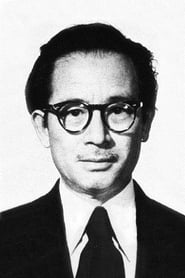
Hiroshi Inagaki
Director
Born: December 30, 1905 in Tokyo, Japan Died: May 21, 1980 Active: 1928-1970
Films
1 film
About Hiroshi Inagaki
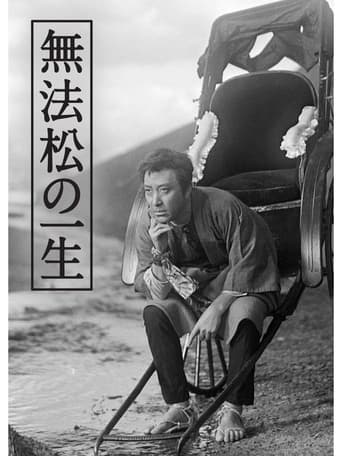
Japanese film director: over four decades, from the silent era through the golden age of Japanese cinema. Born in Tokyo in 1905, he began his career as an actor in the 1920s before transitioning to directing in the late 1920s. Inagaki gained international acclaim for his masterful jidaigeki (period dramas) and samurai films, particularly his Samurai Trilogy (1954-1956) starring Toshiro Mifune as Musashi Miyamoto. His 1943 film 'The Life of Matsu the Untamed' (known in Japan as 'Matsugoro') demonstrated his early mastery of character-driven narratives set in historical contexts. Inagaki's films often explored themes of honor, loyalty, and the human condition against richly detailed historical backdrops. He won the Academy Award for Best Foreign Language Film for 'Rickshaw Man' (1958), cementing his international reputation. His directorial style combined technical precision with deep emotional resonance, making him one of Japan's most respected filmmakers of the 20th century.
The Craft
Behind the Camera
Inagaki was known for his meticulous attention to historical detail, sweeping cinematography, and ability to blend action sequences with deeply emotional character development. His directing style emphasized the human element within historical settings, often focusing on ordinary people's struggles against societal constraints. He had a particular talent for creating epic narratives that felt intimate and personal, using long takes and carefully composed shots to enhance the dramatic impact of his stories.
Milestones
- Directed the acclaimed Samurai Trilogy (1954-1956)
- Won Academy Award for Best Foreign Language Film for 'Rickshaw Man' (1958)
- Pioneered the development of jidaigeki genre in Japanese cinema
- Collaborated frequently with Toshiro Mifune, one of Japan's greatest actors
- Successfully transitioned from silent films to talkies
- Directed over 100 films throughout his career
- Helped establish Japanese cinema's international reputation
Best Known For
Must-See Films
Accolades
Won
- Academy Award for Best Foreign Language Film for 'Rickshaw Man' (1958)
- Blue Ribbon Award for Best Director (1959)
- Kinema Junpo Award for Best Director (1959)
- Mainichi Film Award for Best Director (1956)
Nominated
- Academy Award nomination for Best Foreign Language Film for 'The Samurai Trilogy' (1956)
- Golden Lion nomination at Venice Film Festival for 'Rickshaw Man' (1958)
- Palme d'Or nomination at Cannes Film Festival for 'The Birth of Japan' (1959)
Special Recognition
- Order of the Rising Sun, Gold Rays with Rosette (1977)
- Japanese Academy Award Special Prize (1979)
- Retrospective at Museum of Modern Art, New York (1981)
Working Relationships
Worked Often With
Studios
Why They Matter
Impact on Culture
Hiroshi Inagaki played a crucial role in establishing Japanese cinema's international reputation, particularly through his masterful samurai films that introduced global audiences to Japanese culture and history. His films helped create the template for the samurai genre that would influence countless filmmakers worldwide. The Samurai Trilogy, in particular, set new standards for historical epics and demonstrated how Japanese cinema could compete with Hollywood productions in terms of scope and emotional depth. Inagaki's success paved the way for other Japanese directors to gain international recognition during the 1950s and 1960s.
Lasting Legacy
Inagaki's legacy endures through his influential body of work that continues to be studied by filmmakers and scholars worldwide. His films are regularly screened at film festivals and retrospectives, and his techniques for blending action with emotional storytelling remain influential. The Samurai Trilogy is considered one of the greatest achievements in Japanese cinema, and his Oscar win for 'Rickshaw Man' helped open doors for Japanese cinema in the international market. His dedication to historical accuracy and cultural authenticity set a standard for period filmmaking that continues to inspire directors today.
Who They Inspired
Inagaki's influence extends far beyond Japanese cinema, impacting filmmakers like George Lucas (who cited the Samurai Trilogy as an influence on Star Wars) and Akira Kurosawa. His techniques for choreographing sword fights and his approach to visual storytelling influenced countless action and adventure films. His ability to create emotionally resonant historical dramas influenced directors ranging from David Lean to Ang Lee. The way he balanced spectacle with intimate human moments became a template for epic filmmaking that continues to be emulated today.
Off Screen
Hiroshi Inagaki was known for being a private individual who rarely discussed his personal life in public. He was deeply committed to his craft and often worked long hours on set, earning respect from cast and crew for his dedication and professionalism. Despite his international success, he remained humble and maintained strong connections to traditional Japanese culture throughout his life.
Education
Attended Keio University but left before graduating to pursue a career in film
Family
- Yasuko Inagaki (m. 1935-1980)
Did You Know?
- Inagaki began his career as an actor in silent films before transitioning to directing
- He directed over 100 films in his career, though many early works are now lost
- The Samurai Trilogy was filmed over three years, with each part released annually
- Toshiro Mifune underwent extensive sword training for his role as Musashi Miyamoto
- Inagaki was one of the few Japanese directors to win an Academy Award during his lifetime
- His film 'The Birth of Japan' was Japan's most expensive production at the time of its release
- He often served as his own scriptwriter, ensuring historical accuracy in his films
- Despite his success, he remained humble and continued working on smaller projects throughout his career
- His films were particularly popular in France, where he was considered a master of cinema
- He mentored several younger directors who would later become famous in their own right
In Their Own Words
A film must not only entertain but also touch the soul of the audience.
In making historical films, we must remember that history is made by ordinary people, not just heroes.
The samurai code is not about fighting, but about living with honor and purpose.
Cinema is the bridge between past and present, allowing us to understand who we are.
Every frame should tell a story, every movement should have meaning.
Frequently Asked Questions
Who was Hiroshi Inagaki?
Renowned Japanese on YTB.my. He is best known for directing the Samurai Trilogy and winning an Academy Award for 'Rickshaw Man'. His active years covered over four decades and significantly influenced both Japanese and international cinema.
What films is Hiroshi Inagaki best known for?
Titles linked here include The Samurai Trilogy (1954-1956), Rickshaw Man (1958).
When was Hiroshi Inagaki born and when did he die?
Born December 30, 1905; died May 21, 1980.
What awards did Hiroshi Inagaki win?
Inagaki won the Academy Award for Best Foreign Language Film for 'Rickshaw Man' (1958), making him one of the first Japanese directors to receive this honor. He also won multiple Japanese film awards including the Blue Ribbon Award, Kinema Junpo Award, and Mainichi Film Award for Best Director. He was awarded the Order of the Rising Sun by the Japanese government in 1977.
What was Hiroshi Inagaki's directing style?
Inagaki's directing style combined meticulous historical accuracy with sweeping cinematography and deep emotional storytelling. He excelled at creating epic historical dramas that felt intimate and personal, often focusing on ordinary people's struggles. His films featured carefully composed shots, long takes, and a perfect balance between action sequences and character development.