
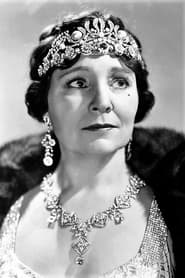
Margaret Dumont
Actor
Born: October 20, 1889 in Brooklyn, New York, USA Died: March 6, 1965 Active: 1917-1965 Birth Name: Daisy Juliette Baker
Films
2 films
About Margaret Dumont
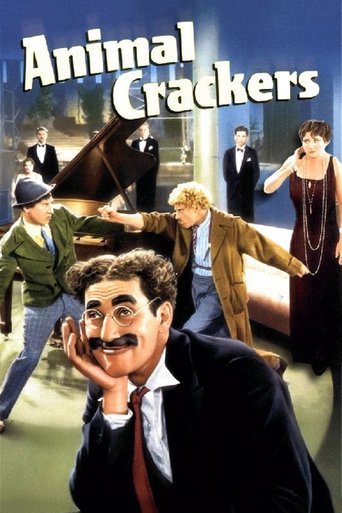
Margaret Dumont, born Daisy Juliette Baker, was an American actress who became for her roles as the straight woman to the Marx Brothers in seven of their classic films. Beginning her career as a stage actress in the 1910s, she transitioned to film with her debut in The Cocoanuts (1929), marking the start of her famous collaboration with the Marx Brothers. Dumont specialized in portraying wealthy, dignified society women who maintained their composure despite being subjected to the Marx Brothers' chaotic antics. Her deadpan delivery and ability to appear genuinely shocked by Groucho's innuendos made her an essential element of the Marx Brothers' comedy formula. Throughout her career, she never broke character, even when her co-stars ad-libbed, maintaining her aristocratic persona both on and off screen. Dumont continued performing in stage productions and television appearances through the 1940s and 1950s, cementing her legacy as one of cinema's greatest straight women. She passed away in 1965, leaving behind a body of work that comedy performers to this day.
The Craft
On Screen
Margaret Dumont perfected the art of being the straight woman in comedy, maintaining a dignified, aristocratic demeanor amidst chaotic situations. She specialized in playing wealthy society women with perfect posture, refined speech, and an unwavering composure that created the perfect comedic contrast to the Marx Brothers' zany antics. Her deadpan delivery and ability to appear genuinely shocked or offended by Groucho's innuendos made her reactions as funny as the jokes themselves. Dumont never broke character or acknowledged the humor, which made her performances even more hilarious to audiences.
Milestones
- Film debut in The Cocoanuts (1929)
- Starred in seven Marx Brothers films
- Began career on Broadway in the 1910s
- Received star on Hollywood Walk of Fame
- Continued performing on television in the 1950s
- Maintained stage career throughout film career
Best Known For
Iconic Roles
Must-See Films
Accolades
Special Recognition
- Star on Hollywood Walk of Fame
Working Relationships
Worked Often With
Studios
Why They Matter
Impact on Culture
Margaret Dumont's contribution to comedy was revolutionary in establishing the straight woman as an essential element of ensemble comedy. Her ability to maintain composure amidst absolute chaos created the perfect comedic foil that enhanced the Marx Brothers' performances and elevated their films to classic status. She demonstrated that reaction shots and deadpan delivery could be as funny as punchlines, influencing generations of comedy performers. Dumont's aristocratic characters became an iconic element of the Marx Brothers' formula, proving that the straight man (or woman) role required as much skill and precision as the comedic roles themselves.
Lasting Legacy
Margaret Dumont is remembered as the quintessential straight woman in comedy history, particularly for her work with the Marx Brothers. Despite playing supporting roles, she has become an iconic figure whose performances are studied by comedy scholars and actors. Her ability to maintain character dignity while being subjected to absurdity created some of the most memorable moments in film comedy. Film historians recognize her as an essential element in the Marx Brothers' success and a master of comedic timing and reaction. Her legacy continues through the countless straight men and women in comedy who follow the template she perfected.
Who They Inspired
Dumont influenced the art of being a straight person in comedy, showing how properly performed reactions could enhance comedic material. Her technique of maintaining character while reacting to absurdity became a model for future straight men and women in comedy ensembles. Many comedy performers, from Lucille Ball to modern actors, have cited the importance of the straight role that Dumont perfected. Her work demonstrated that comedy is a collaborative art where every role, no matter how seemingly minor, contributes to the overall effect.
Off Screen
Margaret Dumont was known for maintaining her dignified persona both on and off screen. She married twice, first to John Moller Jr. From 1910 to 1920 (ending in divorce), and later to Broadway producer Charles D. V. Wilson from 1929 until his death in 1950. She had no children and was famously private about her personal life, rarely giving interviews about her work with the Marx Brothers. Despite being surrounded by comedy legends, Dumont maintained that she never fully understood their humor and approached her roles as a serious dramatic actress.
Education
Limited information available about formal education, but she received training for her stage career and was a trained opera singer before becoming an actress.
Family
- John Moller Jr. (1910-1920, divorced)
- Charles D. V. Wilson (1929-1950, his death)
Did You Know?
- Despite appearing in seven Marx Brothers films, Dumont never understood their humor and often didn't realize they were making jokes
- She was a trained opera singer before becoming an actress
- Dumont was 40 years old when she made her film debut in The Cocoanuts
- She never broke character during filming, even when the Marx Brothers ad-libbed lines that weren't in the script
- Dumont was reportedly paid $500 per week for her early Marx Brothers films, a substantial sum at the time
- Groucho Marx once said of her: 'Margaret Dumont was the greatest straight woman in the history of comedy'
- She was originally hired for The Cocoanuts because the producers wanted someone who could genuinely act shocked and offended by Groucho's character
- Dumont never appeared in any of the Marx Brothers' stage productions, only their films
- She was the only actress to appear in more than three Marx Brothers films
- Her real name was Daisy Juliette Baker, but she changed it early in her career
In Their Own Words
I never understood what they were doing. I just did my part, and they did theirs. I was a serious actress, and I took my roles seriously.
Margaret Dumont was the greatest straight woman in the history of comedy. She was a wonderful actress, and she never realized how funny she was. - Groucho Marx
Frequently Asked Questions
Who was Margaret Dumont?
American actress best known for her roles as the straight woman to the Marx Brothers in seven of their films. Born in 1889, she began her career on Broadway before transitioning to film, where she became famous for playing dignified, aristocratic women who were constantly flustered by the Marx Brothers' comedic antics.
What films is Margaret Dumont best known for?
Titles linked here include The Cocoanuts (1929), Duck Soup (1933).
When was Margaret Dumont born and when did she die?
Born October 20, 1889; died March 6, 1965.
What awards did Margaret Dumont win?
While Margaret Dumont did not receive major formal awards during her career, she was recognized with a star on the Hollywood Walk of Fame for her contributions to film comedy.
What was Margaret Dumont's acting style?
Margaret Dumont's acting style was characterized by her ability to maintain a dignified, straight-faced demeanor amidst comedic chaos. She perfected the art of being the straight woman, playing aristocratic characters with perfect posture and refined speech, creating the perfect contrast to the Marx Brothers' zany antics.
Did Margaret Dumont understand the Marx Brothers' comedy?
No, Margaret Dumont famously never understood the Marx Brothers' humor and approached her roles as a serious dramatic actress. This genuine lack of comprehension contributed to the effectiveness of her straight woman performances.
How many times did Margaret Dumont work with the Marx Brothers?
Margaret Dumont appeared in seven Marx Brothers films, more than any other actress, making her their most frequent female co-star across their film career.