Vijay Bhatt
Director
Born: May 12, 1907 in Palitana, Gujarat, India Died: October 17, 1993 Active: 1929-1979 Birth Name: Vijayshankar Jagneshwar Bhatt
Films
2 films
About Vijay Bhatt
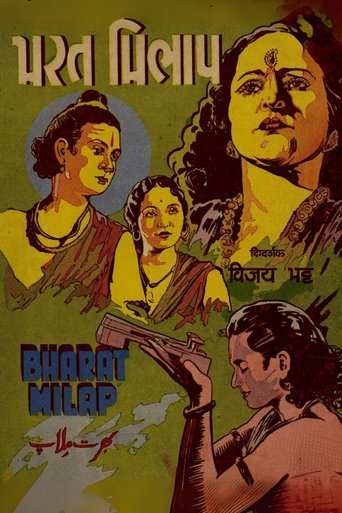
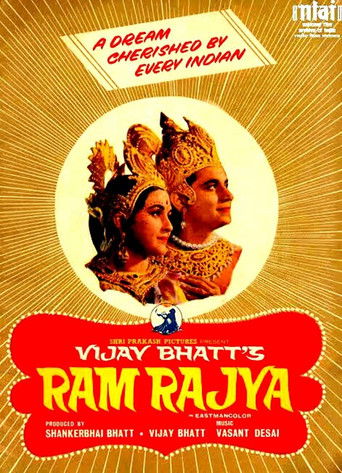
Vijay Bhatt — Indian film director, producer, and screenwriter central to Golden Age Hindi cinema. Born in 1907 in Palitana, Gujarat, he entered the industry in the late 1920s and became one of its most respected directors. He founded Prakash Pictures in 1934 with his brother Shankar Bhatt, building a major production house. Mythological epics such as Bharat Milap (1942) and Ram Rajya (1943) brought him wide acclaim; Ram Rajya is often cited as the only film Mahatma Gandhi watched. Over four decades he directed more than 50 titles, moving from silents through talkies to color. His work blended spectacle with moral storytelling and left a lasting mark on Indian cinema.
The Craft
Behind the Camera
Vijay Bhatt was known for his grand, epic style of filmmaking, particularly in mythological subjects. His direction emphasized strong moral values, spiritual themes, and elaborate production design. He had a keen eye for visual composition and was meticulous about period details, creating authentic atmospheres for his stories. Bhatt's films often featured elaborate sets, rich costumes, and carefully choreographed sequences. He was adept at balancing entertainment with educational and moral messages, making his films appealing to family audiences. His narrative style was clear and linear, focusing on emotional storytelling and character development.
Milestones
- Founded Prakash Pictures in 1934 with brother Shankar Bhatt
- Directed the landmark mythological film 'Ram Rajya' (1943) watched by Mahatma Gandhi
- Created the classic 'Bharat Milap' (1942) which ran for over 100 weeks in theaters
- Won the Dadasaheb Phalke Award in 1976 for lifetime achievement
- Directed 'Goonj Uthi Shehnai' (1959) which launched Rajendra Kumar's career
Best Known For
Must-See Films
Accolades
Won
- Dadasaheb Phalke Award (1976)
- Filmfare Award for Best Director for 'Goonj Uthi Shehnai' (1960)
- Padma Shri (1972)
Nominated
- Filmfare Best Director nomination for 'Hariyali Aur Raasta' (1963)
- Filmfare Best Director nomination for 'Grihalakshmi' (1934)
Special Recognition
- Dadasaheb Phalke Award - India's highest award in cinema
- Padma Shri - India's fourth highest civilian award
- Multiple Filmfare Awards and nominations
- Honored at various international film festivals for his contributions to cinema
Working Relationships
Worked Often With
Studios
Why They Matter
Impact on Culture
Vijay Bhatt significantly shaped Indian cinema's approach to mythological storytelling, establishing a template that influenced generations of filmmakers. His film 'Ram Rajya' achieved unique historical significance as the only film watched by Mahatma Gandhi, bringing cinema to the attention of India's leadership during the independence movement. Bhatt's films helped preserve and popularize Indian mythology and cultural values during a crucial period of nation-building. His production company Prakash Pictures became an institution that trained hundreds of technicians and artists who later became industry leaders. His success proved that films with strong moral and spiritual content could be commercially viable, encouraging more meaningful cinema in India.
Lasting Legacy
Vijay Bhatt's legacy endures through his timeless films that continue to be referenced and celebrated in Indian cinema. He pioneered the grand mythological genre in Hindi cinema, setting standards for production design, narrative structure, and spiritual storytelling that remain influential. The success of Prakash Pictures under his leadership demonstrated that family-run production houses could compete with major studios. His discovery and nurturing of talent like Rajendra Kumar showed his eye for potential and his role as a mentor. Bhatt's films are studied in film schools for their technical excellence and cultural significance, and he is remembered as a filmmaker who successfully combined artistry with popular appeal while maintaining strong ethical values.
Who They Inspired
Vijay Bhatt influenced numerous filmmakers who followed in his footsteps, particularly in the mythological and historical genres. His approach to grand storytelling and production design inspired directors like Manmohan Desai and Ramanand Sagar, who later created epic television series based on Indian mythology. Bhatt's success with family-oriented, values-based films paved the way for directors like Hrishikesh Mukherjee and Basu Chatterjee who focused on meaningful social themes. His business model of running an independent production house influenced later generations of producer-directors. The technical innovations he introduced in mythological films, particularly in special effects and set design, became industry standards that evolved with technology.
Off Screen
Vijay Bhatt came from a Gujarati family and was deeply influenced by Indian culture and mythology from an early age. He married Rambha Bhatt and had several children who also entered the film industry. His family was closely involved in his film production company, Prakash Pictures, with his brother Shankar Bhatt being a key collaborator. Bhatt was known for his disciplined lifestyle and was deeply religious, which reflected in his choice of film subjects. He maintained a low public profile despite his success and was respected for his integrity and professionalism in the industry. His son Arun Bhatt also became a film director, continuing the family's cinematic legacy.
Education
Educated in Gujarat; studied at local schools in Palitana and later attended college in Bombay where he developed interest in cinema and theater
Family
- Rambha Bhatt (married 1930s until her death)
Did You Know?
- 'Ram Rajya' (1943) is historically significant as the only film Mahatma Gandhi ever watched
- His film 'Bharat Milap' (1942) ran for over 100 weeks in theaters, a rare achievement at the time
- Founded Prakash Pictures with just Rs. 25,000, which became one of India's most successful production houses
- Was one of the few directors who successfully transitioned from silent films to talkies to color cinema
- His film 'Goonj Uthi Shehnai' (1959) was instrumental in launching Rajendra Kumar as a star
- Known for his strict vegetarianism and teetotaler lifestyle throughout his career
- Often incorporated real locations and authentic costumes in his historical films
- Was offered positions in government but declined to focus on filmmaking
- His films were known for their elaborate sets that sometimes took months to construct
- Maintained detailed scripts and storyboards, unusual for his era of filmmaking
In Their Own Words
Cinema is not just entertainment; it is a medium to preserve our culture and values for future generations.
When you make a film about gods and goddesses, you must remember that you are creating something divine.
Success in cinema comes not from copying others, but from understanding your own culture and presenting it authentically.
A film should educate while it entertains; otherwise, it has failed in its duty to society.
Frequently Asked Questions
Who was Vijay Bhatt?
Indian on YTB.my. He was a major figure in Golden Age Hindi cinema and received the Dadasaheb Phalke Award for his lifetime contributions to Indian cinema.
What films is Vijay Bhatt best known for?
Titles linked here include Ram Rajya (1943), Bharat Milap (1942).
When was Vijay Bhatt born and when did he die?
Born May 12, 1907; died October 17, 1993.
What awards did Vijay Bhatt win?
Vijay Bhatt received several prestigious awards including the Dadasaheb Phalke Award in 1976 (India's highest award in cinema), the Padma Shri in 1972, and a Filmfare Award for Best Director for 'Goonj Uthi Shehnai' in 1960.
What was Vijay Bhatt's directing style?
Vijay Bhatt was known for his grand, epic style particularly in mythological films, emphasizing strong moral values, spiritual themes, and elaborate production design. His direction featured meticulous attention to detail, authentic period settings, and a balance between entertainment and educational content.
Why is 'Ram Rajya' historically significant?
'Ram Rajya' (1943) is historically significant because it was reportedly the only film that Mahatma Gandhi ever watched. The film's depiction of an ideal kingdom based on Ram's rule resonated with Gandhi's vision for independent India, making it a unique intersection of cinema and India's independence movement.
What was Prakash Pictures?
Prakash Pictures was the film production company co-founded by Vijay Bhatt and his brother Shankar Bhatt in 1934. It became.