Films
1 film
About Eiko Takamatsu
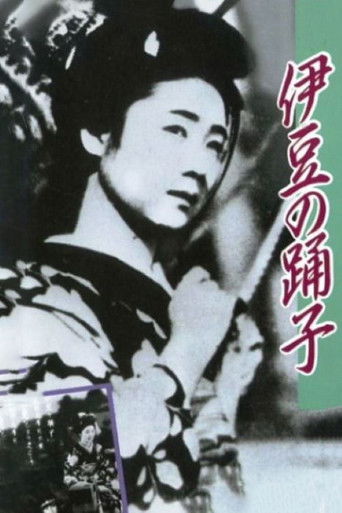
Eiko Takamatsu appears once in this catalog: The Dancing Girl of Izu (1933). Her career was notably brief, with her only known film credit being the 1933 classic 'The Dancing Girl of Izu' (Izu no odoriko), directed by Heinosuke Gosho. This film was based on the celebrated short story by Nobel Prize-winning author Yasunari Kawabata and became works of early Japanese sound cinema. Takamatsu appeared alongside the renowned actress Kinuyo Tanaka, who played the lead role of the dancing girl. While her role in the film was not the protagonist, she was part of the ensemble that brought this literary masterpiece to life Japanese film history. Her single film appearance coincided with the transition from silent films to talkies in Japan, making her part of an important technological and artistic transformation in the country's cinema. Unfortunately, like many supporting actors from this era, detailed records of her life and career are scarce, and she appears to have left the film industry after this single appearance.
The Craft
On Screen
While specific details about Eiko Takamatsu's acting style are not well-documented due to her brief film career, as an actress in early 1930s Japanese cinema, she likely worked within the transitional style between silent film expression and naturalistic sound acting. Japanese actors of this period were adapting their techniques to accommodate both dialogue and the more subtle performance styles required by sound recording technology.
Milestones
- Appeared in the 1933 classic 'The Dancing Girl of Izu' directed by Heinosuke Gosho
- Participated in one of the earliest significant Japanese sound films
- Worked alongside acclaimed actress Kinuyo Tanaka
Best Known For
Iconic Roles
Must-See Films
Working Relationships
Worked Often With
Studios
Why They Matter
Impact on Culture
Eiko Takamatsu's cultural impact is primarily tied to her participation in 'The Dancing Girl of Izu,' which stands as a significant milestone in Japanese cinema history. The film was one of the early successes of Japanese sound cinema and helped establish the country's reputation for poetic, literary adaptations. While her individual contribution was as a supporting player, she was part of a production that demonstrated Japan's ability to create sophisticated, emotionally resonant films during the transition to sound. The film itself has been preserved and studied as an important example of early Japanese cinematic artistry, meaning Takamatsu's work, though brief, continues to be seen by audiences interested in classic Japanese cinema.
Lasting Legacy
Eiko Takamatsu's legacy is that of a representative figure from the early sound era of Japanese cinema - actors whose careers may have been brief but who contributed to important films during a transformative period in film history. Her appearance in 'The Dancing Girl of Izu' ensures that she is permanently recorded in film history as part of one of Japan's most significant early sound films. While she did not achieve lasting fame or a lengthy career, her contribution to this classic film represents the many unsung actors who helped create the masterpieces of classic cinema.
Who They Inspired
Due to her extremely brief film career consisting of a single known appearance, there is no documented evidence of Eiko Takamatsu influencing other actors or filmmakers. Her influence is limited to her contribution to the ensemble of 'The Dancing Girl of Izu,' which itself influenced subsequent Japanese literary adaptations and helped establish conventions for sound cinema in Japan.
Off Screen
Very little information is available about Eiko Takamatsu's personal life, which is not uncommon for supporting actors from early 1930s Japanese cinema whose careers were brief and who worked outside the major star system. Records from this period are often incomplete, especially for actors who appeared in only one or two films.
Did You Know?
- Appeared in only one known film during her entire career
- Her sole film appearance was in an adaptation of a work by Nobel Prize-winning author Yasunari Kawabata
- The film she appeared in was directed by Heinosuke Gosho, one of Japan's prominent early sound film directors
- She worked during the transitional period when Japanese cinema was moving from silent films to talkies
- Her film 'The Dancing Girl of Izu' has been preserved as an important work of early Japanese sound cinema
- The film was produced by Shochiku Studios, one of Japan's major film companies
- Her co-star Kinuyo Tanaka would become one of Japan's most celebrated actresses and later a director herself
- The original story by Kawabata was considered semi-autobiographical and became one of his most famous works
- The 1933 film version was the first screen adaptation of this famous Japanese literary work
- Early Japanese sound films like this one often faced technical challenges that actors had to adapt to in their performances
Frequently Asked Questions
Who was Eiko Takamatsu?
Screen credits include only one known film, 'The Dancing Girl of Izu' (1933). She was a supporting player in this significant early Japanese sound film, which was based on a story by Nobel Prize-winning author Yasunari Kawabata.
What films is Eiko Takamatsu best known for?
Titles linked here include The Dancing Girl of Izu (1933).
When was Eiko Takamatsu born and when did she die?
Unfortunately, specific birth and death dates for Eiko Takamatsu are not available in historical records, which is not uncommon for supporting actors from early 1930s Japanese cinema who had brief careers. We know she was active in 1933 and was Japanese by nationality.
What awards did Eiko Takamatsu win?
There are no recorded awards or nominations for Eiko Takamatsu, which is typical for supporting actors in early 1930s Japanese cinema who had very brief careers. Her significance lies in her participation in an important film rather than in individual recognition.
What was Eiko Takamatsu's acting style?
While specific details about her acting style are not documented, as an actress in early 1930s Japanese cinema during the transition to sound, she likely worked within the evolving performance techniques that accommodated both silent film traditions and the new requirements of sound recording technology.