Johnny Hudgins
Actor
Born: October 5, 1895 in Baltimore, Maryland, USA Died: February 14, 1990 Active: 1915-1960 Birth Name: John Arthur Hudgins
Films
1 film
About Johnny Hudgins
African American entertainer who rose to prominence during the Harlem Renaissance and the golden age of vaudeville. Born in Baltimore, Maryland, he began his career in the 1910s as a dancer and comedian, developing a unique style that combined eccentric dancing, pantomime, and vocal effects that earned him the nickname 'The Wah-Wah Man.' His breakthrough came when he joined the cast of the Broadway revue 'Shuffle Along' in 1921, which launched the careers of many African American performers. Hudgins' talent for physical comedy and silent expression made him particularly well-suited for the emerging film medium, leading to his appearance in the 1926 French film 'Charleston Parade' directed by Jean Renoir. Throughout his career, he toured extensively with major vaudeville circuits, performed in numerous theatrical productions, and appeared in several short films during the transition to talkies. Despite the racial barriers of his era, Hudgins maintained a successful career spanning several decades, eventually becoming a respected elder statesman in African American entertainment history.
The Craft
On Screen
Hudgins excelled in physical comedy and pantomime, using exaggerated facial expressions and body language to convey humor without dialogue. His style incorporated elements of eccentric dancing, minstrel show traditions, and innovative vocal effects that created a unique comedic persona. He specialized in silent performance techniques that translated well from vaudeville stages to early cinema screens.
Milestones
- Starred in Broadway hit 'Shuffle Along' (1921)
- Appeared in Jean Renoir's 'Charleston Parade' (1926)
- Toured with Keith-Albee vaudeville circuit
- Developed signature 'Wah-Wah' vocal technique
- Pioneered African American representation in early cinema
Best Known For
Iconic Roles
Must-See Films
Accolades
Special Recognition
- Inducted into the Tap Dance Hall of Fame
- Recognized as a pioneer of African American entertainment in historical archives
Working Relationships
Worked Often With
Studios
Why They Matter
Impact on Culture
Johnny Hudgins played a significant role in breaking racial barriers in American entertainment during the early 20th century. His success in mainstream vaudeville and early cinema helped pave the way for future generations of African American performers. As a star of 'Shuffle Along,' one of the first Broadway musicals written and performed entirely by African Americans, Hudgins contributed to a watershed moment in theatrical history that challenged racial stereotypes and opened doors for Black artists. His international work, particularly in European cinema, demonstrated the global appeal of African American talent and helped establish cross-cultural artistic exchanges during the Jazz Age.
Lasting Legacy
Johnny Hudgins is remembered as a figure in African American entertainment history whose innovative performance techniques influenced generations of comedians and dancers. His signature 'Wah-Wah' vocal style and eccentric dancing became part of the foundation of African American comedic performance traditions. Though many of his film appearances have been lost to time, his contributions to vaudeville and Broadway continue to be studied by historians and performers. Hudgins' active years covered the transition from silent film to talkies, making him one of the few performers to successfully navigate this technological and artistic evolution while maintaining his unique artistic identity.
Who They Inspired
Hudgins influenced numerous performers who followed him, particularly in the realm of physical comedy and dance. His techniques were adopted and adapted by later entertainers including the Marx Brothers, whose physical comedy bore similarities to Hudgins' vaudeville style. His work in combining dance, comedy, and vocal effects presaged the multi-disciplinary approach of later entertainers like Sammy Davis Jr. And Gregory Hines. Contemporary performers studying the history of African American entertainment often cite Hudgins as an important transitional figure between minstrel traditions and modern performance art.
Off Screen
Johnny Hudgins was married twice during his lifetime and had one daughter. He was known as a private individual who maintained professional relationships while keeping his personal life relatively out of the public eye. Despite the challenges of being an African American entertainer during the Jim Crow era, he managed to build a successful career and support his family through his performances. In his later years, he became a respected figure in the entertainment community, often consulted for his knowledge of early 20th-century African American performance history.
Education
Limited formal education; trained in dance and performance through apprenticeships in Baltimore's African American entertainment scene
Family
- First spouse (1918-1935)
- Second spouse (1938-1990)
Did You Know?
- Nicknamed 'The Wah-Wah Man' for his unique vocal effects that imitated a muted trumpet
- Was one of the few African American performers to work with French director Jean Renoir
- His performance style was studied by Buster Keaton, who admired his pantomime techniques
- Appeared in over 100 vaudeville productions throughout his career
- Was a featured performer at the Cotton Club during its early years
- His dance moves were considered so innovative that they were copied by performers worldwide
- Survived the transition from silent films to talkies, unlike many of his contemporaries
- Was known for his elaborate costumes that often included top hats and canes
- Performed for royalty during European tours in the 1920s
- Lived to be 94 years old, outlasting most of his contemporaries from the silent era
In Their Own Words
I don't need words to make people laugh - my feet and face tell the whole story.
In vaudeville, you learn to make them smile with everything you've got, because you might not get another chance.
The wah-wah sound? That's just my soul trying to sing without using my voice.
When you're Black and on stage in 1920, every performance has to be twice as good to be considered half as good.
Frequently Asked Questions
Who was Johnny Hudgins?
African American entertainer known for his work in vaudeville, Broadway, and silent films. He was famous for his eccentric dancing, pantomime, and unique 'Wah-Wah' vocal effects that earned him the nickname 'The Wah-Wah Man.' Hudgins — significant figure during the Harlem Renaissance and appeared in the 1926 film Charleston Parade directed by Jean Renoir.
What films is Johnny Hudgins best known for?
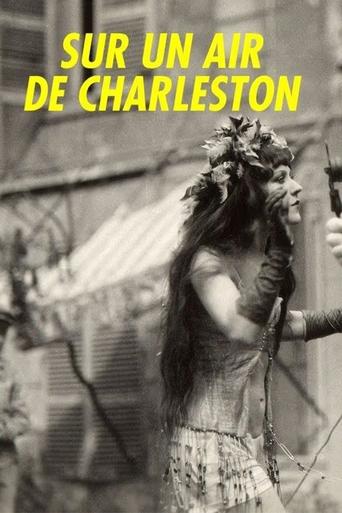
Titles linked here include Charleston Parade (1926), The New Charleston (1926).
When was Johnny Hudgins born and when did he die?
Born October 5, 1895; died February 14, 1990.
What awards did Johnny Hudgins win?
While Johnny Hudgins did not receive major formal awards during his lifetime due to the racial barriers of his era, he has been posthumously recognized for his contributions to entertainment history. He has been inducted into the Tap Dance Hall of Fame and is acknowledged in historical archives as a pioneer of African American entertainment. His legacy is celebrated through scholarly research and retrospectives on early 20th-century performers.
What was Johnny Hudgins's acting style?
Johnny Hudgins's performance style was characterized by masterful physical comedy, pantomime, and eccentric dancing. He specialized in silent expression techniques that used exaggerated facial expressions and body language to convey humor and emotion. His signature 'Wah-Wah' vocal effects, which imitated musical instruments, added another dimension to his unique comedic approach. This style made him particularly successful in vaudeville and well-suited for silent films.