
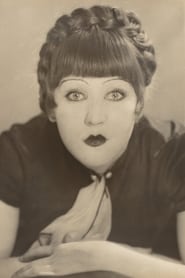
Charleston Parade
"Charleston lessons for a futuristic airman"
Keys: Space play/pause · ←/→ 10s · F fullscreen · M mute · </> speed
About this film
Shot in three days, this surreal, erotic silent short shows a native white girl teaching a futuristic African airman the Charleston dance.
Cast & crew
More films like this
More Science Fiction films
View all →

More from Jean Renoir
View all →
More about this film
About the production
Release date1926
Box officeUnknown - limited theatrical release as experimental short
ProductionLes Films Jean Renoir
Filmed inParis, France, Nice, France
Shot entirely in three days, this film represents Jean Renoir's early experimentation with avant-garde cinema. The rapid production schedule was partly due to budget constraints and partly a deliberate artistic choice to capture spontaneous performances. The film's mechanical costumes for the African airman were created by Renoir himself using found objects and scrap materials. The dance sequences were largely improvised by the performers, particularly Johnny Hudgins who was a professional vaudeville performer.
Themes
Cultural exchange and appropriationModernity versus traditionMechanization and technologyDance as liberationSurrealism and dreams
Themes & topics
Charleston danceAvant-gardeSurrealismSilent filmShort filmScience fictionDanceMechanical suitCultural exchangeJazz AgeExperimental cinemaJean Renoir
Historical background
Charleston Parade reached screens in 1926 from Les Films Jean Renoir, when exhibitors still paired shorts and features in mixed programs.
Why this film matters
Students of early cinema study Charleston Parade as an example of 1926 treatment of shot in three days, this surreal, erotic silent short shows a native white girl teaching a.
Making of
Jean Renoir made Charleston Parade during a period of intense artistic experimentation in 1920s Paris. The film was shot in just three days with a minimal crew, reflecting both budget constraints and Renoir's desire for spontaneity. Catherine Hessling, Renoir's wife, had been a model before becoming an actress and brought a naturalistic quality to her performance that contrasted with the film's surreal elements. Johnny Hudgins, an African American entertainer who had found success in European vaudeville, was cast for his authentic dance abilities and stage presence. The mechanical costume worn by Hudgins was constructed by Renoir and his crew using various found objects, creating an early vision of what would later become common science fiction imagery. The dance sequences were largely improvised, with Renoir encouraging his performers to move freely and expressively. The film's rapid production and experimental nature reflected the avant-garde spirit of the time, where artists were pushing boundaries in all mediums.
What critics said
Contemporary journalism left scarce detail on Charleston Parade, leaving later critics to infer its 1926 reception.
Did you know?
- This was Jean Renoir's second film as a director, made when he was still transitioning from a career in ceramics to filmmaking
- Catherine Hessling, who plays the native girl, was Renoir's first wife and muse, appearing in several of his early films
- Johnny Hudgins was an African American vaudeville performer known as 'The Wah-Wah Man' for his vocal effects, who was working in Europe at the time
- The Charleston dance was a cultural phenomenon in the mid-1920s, representing the Jazz Age's rebellion against Victorian norms
- The film's mechanical suit for the African airman was an early example of science fiction imagery in French cinema
- The film was originally titled 'Charleston' but is now commonly known as 'Charleston Parade' to distinguish it from other works
- Renoir claimed the film was inspired by his fascination with African art and the mechanical age
- The film was considered lost for decades before being rediscovered and restored in the 1980s
- Only two copies of the original film are known to exist today
- The film's erotic undertones were controversial for its time, though tame by modern standards
Visual style
The cinematography of Charleston Parade was handled by Jean Bachelet, who would later become Renoir's regular collaborator. The film employs innovative camera techniques for its time, including dynamic tracking shots during the dance sequences and unusual angles that emphasize the surreal nature of the narrative. The black and white photography makes strong use of contrast, particularly in highlighting the mechanical details of the airman's costume against the more organic movements of the dancers. The camera work during the Charleston sequences is notably fluid, capturing the energy of the dance with moving shots that were relatively advanced for 1926. The film also uses superimposition and other optical effects to create its dreamlike atmosphere, techniques that were cutting-edge for the period. The lighting design creates dramatic shadows that enhance the film's mysterious and erotic undertones.
Innovations
Charleston Parade achieved several technical innovations for its time, particularly in its use of special effects to create the mechanical suit and surreal atmosphere. The film's costume design, created by Renoir himself, was an early example of science fiction imagery in cinema, using mechanical elements to suggest a futuristic vision. The cinematography employed advanced techniques for 1926, including mobile camera work during dance sequences that created a sense of fluidity and movement. The film's use of superimposition and optical effects to create dreamlike transitions was innovative for the period. The rapid three-day production schedule also demonstrated efficient filmmaking techniques that would influence Renoir's later work. The film's editing style, which juxtaposed primitive and modern imagery, was ahead of its time in its use of montage to create thematic contrasts.
Music
As a silent film, Charleston Parade originally would have been accompanied by live musical performance, likely featuring jazz or Charleston music appropriate to the dance sequences. The exact musical accompaniment used during its original run is not documented, but it would have included popular Charleston tunes of the era. Modern restorations of the film have been accompanied by newly composed scores that attempt to capture the jazz age spirit of the original. Some contemporary screenings have used authentic 1920s jazz recordings to provide period-appropriate accompaniment. The rhythmic nature of the Charleston dance would have required musical accompaniment that emphasized syncopation and the distinctive Charleston rhythm, which would have been familiar to audiences of the time. The film's visual rhythm and pacing suggest it was designed to work closely with musical accompaniment, particularly during the extended dance sequences.
Memorable scenes
- The opening sequence where the mechanical airman descends from the sky in his elaborate suit, combining primitive and futuristic elements in a striking visual metaphor for modernity
- The extended Charleston dance sequence where Catherine Hessling teaches Johnny Hudgins the dance, showcasing the film's blend of eroticism and cultural exchange
What audiences thought
Contemporary audience reception to Charleston Parade was limited due to its experimental nature and short runtime. The film primarily circulated in avant-garde cinema circles and art theaters rather than mainstream cinemas. Those who did see it were often divided, with some viewers captivated by its surreal imagery and dance sequences, while others found it confusing or pretentious. The Charleston dance itself was popular with audiences of the time, which likely drew some viewers to the film. Modern audiences who have seen the film through retrospectives and film festivals generally appreciate it as a historical artifact and an early example of Renoir's work, though some find its racial elements problematic by contemporary standards. The film's brevity and visual spectacle make it more accessible to modern viewers than many other experimental films from the era.
Film connections
Influenced by
- Dadaist movement
- Surrealist art
- African art
- Jazz culture
- German Expressionism
- French Impressionist cinema
This film influenced
- Un Chien Andalou (1929)
- L'Âge d'Or (1930)
- Metropolis (1927)
- Zero de Conduite (1933)
Film restoration
Charleston Parade was considered lost for several decades before being rediscovered in the 1980s. The film has been restored and preserved by film archives, with the best surviving copies held at the Cinémathèque Française. The restoration process has been challenging due to the film's age and the limited number of surviving prints. The restored version is occasionally screened at film festivals and retrospectives dedicated to Jean Renoir's work or avant-garde cinema of the 1920s.
Where to watch
- The Criterion Collection (as part of Jean Renoir compilations)
- Film archives and cinematheques
- Specialized streaming services for classic cinema
- Film festival retrospectives
- Educational institutions with film studies programs