
Jean Renoir
Actor & Director
Born: September 15, 1894 in Paris, France Died: February 12, 1979 Active: 1924-1969
Films
3 films
About Jean Renoir
French film director, screenwriter, and occasional actor who became filmmakers in cinema history. Born as the second son of the renowned Impressionist painter Pierre-Auguste Renoir, he initially pursued a career in the military before being wounded in World War I. He began his filmmaking career in the 1920s, initially influenced by silent cinema and his father's artistic sensibilities. Renoir developed a distinctive style characterized by deep focus photography, long takes, and a humanistic approach to storytelling that explored social class and human nature. His masterpiece 'The Rules of the Game' (1939) is the greatest films ever made. During World War II, he fled occupied France and worked in Hollywood and Italy before returning to France in the 1950s. He continued directing until the 1960s and received numerous honors, including an honorary Academy Award for his lifetime contribution to cinema.
The Craft
On Screen
As an actor, Renoir typically appeared in small roles in his own films, often with a naturalistic and understated approach. His performances were characterized by their authenticity and lack of theatricality, reflecting his preference for realism in cinema.
Behind the Camera
Renoir's directing style emphasized deep focus composition, long takes, and mobile camera work that created a sense of naturalism and spontaneity. He was known for his humanistic approach to storytelling, often exploring themes of class division, social injustice, and the complexity of human relationships with empathy and nuance. His films frequently featured ensemble casts and avoided traditional Hollywood narrative structures.
Milestones
- Directed 'The Rules of the Game' (1939)
- Directed 'Grand Illusion' (1937)
- First foreign language film nominated for Best Picture Oscar
- Received honorary Academy Award in 1975
- Pioneered deep focus and long take techniques
- Fled Nazi-occupied France during WWII
- Worked in Hollywood during the 1940s
Best Known For
Iconic Roles
Must-See Films
Accolades
Won
- Honorary Academy Award (1975)
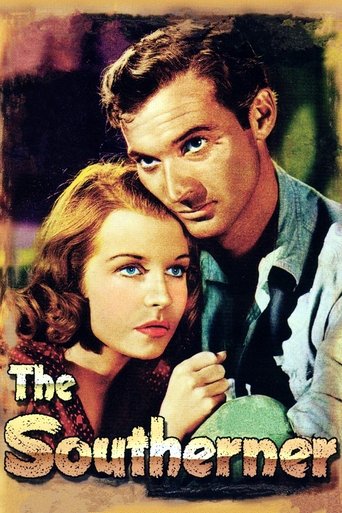
- Academy Award nomination for Best Director for 'The Southerner' (1945)
- Venice Film Festival Best Artistic Ensemble for 'The Rules of the Game' (1939)
- Venice Film Festival Volpi Cup for Best Director for 'The River' (1951)
- Louis Delluc Prize for 'The Crime of Monsieur Lange' (1936)
Nominated
- Academy Award nomination for Best Original Story for 'The Southerner' (1945)
- Academy Award nomination for Best Writing, Screenplay for 'The Southerner' (1945)
- Academy Award nomination for Best Director for 'Grand Illusion' (1938) - first foreign language film nominated for Best Picture
Special Recognition
- Hollywood Walk of Fame star (1960)
- Commander of the Legion of Honour (France)
- Honorary César Award (1975)
- National Society of Film Critics Career Achievement Award (1975)
Working Relationships
Worked Often With
Studios
Why They Matter
Impact on Culture
Jean Renoir revolutionized cinema with his innovative techniques and humanistic storytelling. His use of deep focus and long takes influenced generations of filmmakers, including Orson Welles and the French New Wave directors. His films' exploration of class divisions and social commentary made him a key figure in poetic realism, and his masterpiece 'The Rules of the Game' remains. Renoir's ability to blend social critique with visual poetry established him excelled in cinematic art.
Lasting Legacy
Renoir's legacy extends far beyond his own films; he fundamentally changed how stories could be told on screen. His techniques of deep focus photography and complex mise-en-scène became standard tools in the filmmaker's arsenal. The French New Wave directors, particularly Truffaut and Godard, revered him as a master and frequently cited his influence. His films continue to be studied in film schools worldwide, and 'The Rules of the Game' consistently ranks among the greatest films ever made in international polls.
Who They Inspired
Renoir influenced countless filmmakers through his technical innovations and humanistic approach. Orson Welles cited 'The Rules of the Game' as an inspiration for 'Citizen Kane.' The French New Wave directors considered him their spiritual father, with Truffaut calling him 'the greatest of all directors.' His influence extended to international cinema, inspiring directors like Satyajit Ray, who called Renoir's 'The River' a revelation. His emphasis on capturing reality and exploring social themes through cinema paved the way for neorealism and subsequent realist movements in world cinema.
Off Screen
Jean Renoir was married twice and had two children. His first marriage to Andrée Madeleine Heuschling (Catherine Hessling), one of his father's models, ended in divorce. His second marriage to Dido Freire lasted until his death. As the son of famous painter Pierre-Auguste Renoir, he grew up in an artistic environment but initially resisted following in his father's footsteps. His experiences in World War I, where he was wounded and spent time in a POW camp, deeply influenced his worldview and later filmmaking.
Education
Attended École Saint-Cyr (French military academy), University of Aix-Marseille
Family
- Andrée Madeleine Heuschling (Catherine Hessling) (1920-1930)
- Dido Freire (1935-1979)
Did You Know?
- He was the son of the famous Impressionist painter Pierre-Auguste Renoir
- His film 'Grand Illusion' was the first foreign language film nominated for the Academy Award for Best Picture
- During WWII, he was invited by Mussolini to make films in Italy but refused
- His masterpiece 'The Rules of the Game' was initially banned in France for its critical view of French society
- He served in the French cavalry during WWI and was seriously wounded, leading to a long recovery
- His first wife, Catherine Hessling, starred in many of his early silent films
- He moved to the United States in 1940 after France fell to Nazi Germany
- He became a U.S. Citizen in 1946 but later returned to France
- His brother Pierre Renoir — famous stage and film actor
- He wrote several books including his autobiography 'My Life and My Films'
In Their Own Words
The director of a film is the only person who knows the whole film from beginning to end
The real drama of life is that we don't know how it will end
I have spent my life trying to paint the portrait of my time
A director makes only one movie in his life. Then he breaks it into pieces and makes it again
The terrible thing about cinema is that each film is the end of a world
Frequently Asked Questions
Who was Jean Renoir?
Renowned French on YTB.my. He was the son of famous painter Pierre-Auguste Renoir and directed masterpieces like 'The Rules of the Game' and 'Grand Illusion' that revolutionized cinematic storytelling.
What films is Jean Renoir best known for?
Titles linked here include The Rules of the Game (1939), Grand Illusion (1937).
When was Jean Renoir born and when did he die?
Born September 15, 1894; died February 12, 1979.
What awards did Jean Renoir win?
Renoir received numerous honors including an honorary Academy Award in 1975 for his lifetime contribution to cinema. He won the Venice Film Festival's Volpi Cup for Best Director for 'The River' and received multiple Oscar nominations. He also has a star on the Hollywood Walk of Fame and was named a Commander of France's Legion of Honour.
What was Jean Renoir's directing style?
Renoir's directing style emphasized deep focus photography, long takes, and mobile camera work that created naturalism and spontaneity. He was known for his humanistic approach, exploring themes of class division and social relationships with empathy. His films often featured ensemble casts and avoided traditional Hollywood narrative structures in favor of more realistic, poetic storytelling.