Pierre Braunberger
Actor
Born: July 29, 1905 in Paris, France Died: November 16, 1990 Active: 1926-1980s
Films
1 film
About Pierre Braunberger
Played an instrumental role in shaping French cinema from the silent era through the New Wave. Born in Paris in 1905, he began his career in the 1920s, initially experimenting with avant-garde filmmaking before establishing himself as one of France's most important producers. While he had a brief acting appearance in Jean Renoir's Charleston Parade (1926), his true calling was in producing, where he championed innovative and controversial films that pushed artistic boundaries. Throughout his career spanning five decades, Braunberger worked with directors including Jean Renoir, Jean Cocteau, Alain Resnais, and François Truffaut, helping launch the careers of many New Wave filmmakers. His production company, Les Films de la Pléiade, became synonymous with quality French cinema, producing both artistic masterpieces and commercially successful films. Braunberger was known for his keen eye for talent and his willingness to take risks on unconventional projects that other producers rejected. His influence extended beyond France, as many of his films achieved international acclaim and helped establish French cinema's reputation for artistic excellence. Even in his later years, he remained active in the film industry, mentoring young filmmakers and advocating for artistic freedom in cinema until his death in 1990.
The Craft
On Screen
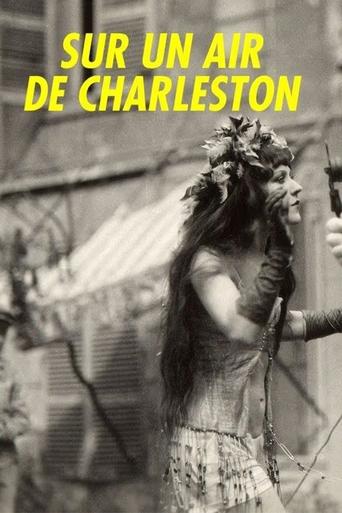
Had only one known acting appearance in Charleston Parade (1926), where he played a minor role in this Jean Renoir-directed silent film
Milestones
- Produced Jean Renoir's early films
- Founded Les Films de la Pléiade production company
- Supported French New Wave directors
- Produced 'Hiroshima mon amour' (1959)
- Produced 'Les Quatre Cents Coups' (1959)
- Acted in 'Charleston Parade' (1926)
- Pioneered independent film production in France
- Mentored generations of French filmmakers
Best Known For
Iconic Roles
Must-See Films
Accolades
Won
- French Legion of Honor
- Honorary César Award (1987)
- Venice Film Festival Golden Lion (Hiroshima mon amour)
Nominated
- Academy Award nomination for Best Original Screenplay (Hiroshima mon amour)
- BAFTA nomination for Best Film (Hiroshima mon amour)
- Palme d'Or nominations for multiple produced films
Special Recognition
- Commander of the Order of Arts and Letters
- Honorary President of the French Film Producers' Association
- Tribute at Cannes Film Festival (1985)
Working Relationships
Worked Often With
Studios
Why They Matter
Impact on Culture
Pierre Braunberger fundamentally shaped the landscape of French cinema by championing artistic innovation and supporting visionary filmmakers. His production company became a haven for directors who wanted to create unconventional, challenging films that commercial studios wouldn't touch. By producing early works of the French New Wave directors, he enabled a revolution in filmmaking that influenced cinema worldwide. Braunberger's support for international co-productions helped break down barriers between national film industries, particularly through his work on 'Hiroshima mon amour.' His willingness to tackle controversial subjects and push artistic boundaries helped establish French cinema's reputation for sophistication and intellectual depth. The films he produced often addressed complex social and philosophical themes, elevating cinema from mere entertainment to a serious art form.
Lasting Legacy
Pierre Braunberger's legacy endures through the countless filmmakers he mentored and the classic films he brought to life. He is remembered as. The French New Wave might not have achieved its groundbreaking success without his early support and financial backing. His production model of supporting independent, artistic filmmakers became a template for future producers worldwide. Many of the films he produced are now considered masterpieces of world cinema and continue to be studied in film schools. The Pierre Braunberger Award for independent film production was established in his honor, recognizing producers who continue his tradition of supporting innovative cinema. His influence can be seen in the work of countless contemporary filmmakers who benefit from the artistic freedoms he helped establish.
Who They Inspired
Braunberger influenced generations of filmmakers by demonstrating that commercial success and artistic integrity could coexist. His support for young, unproven directors like Truffaut and Godard showed that taking risks on new talent could yield extraordinary results. He influenced other producers by showing the importance of building long-term relationships with directors rather than treating filmmaking as purely transactional. His approach to international co-productions influenced how films are financed and distributed across borders. Many contemporary independent producers cite Braunberger as a model for balancing artistic vision with practical production concerns. His emphasis on directorial autonomy helped establish the director as the primary creative force in filmmaking, a principle that continues to influence film production today.
Off Screen
Pierre Braunberger was married to actress and filmmaker Marguerite Cassan, with whom he had a daughter named Florence. His personal life was deeply intertwined with his professional career, as his wife also worked in the film industry. Braunberger was known for his intellectual curiosity and his salon gatherings where filmmakers, writers, and artists would discuss cinema and culture. Despite his success, he maintained a relatively private personal life, focusing more on his work and the artists he supported than on public attention. He survived World War II and continued his production work through the occupation, though this period remains somewhat controversial in terms of his choices during the war.
Education
Studied at the University of Paris, though he left before completing his degree to pursue filmmaking. Also attended film lectures and workshops in Paris in the early 1920s.
Family
- Marguerite Cassan (1930s-1940s)
Did You Know?
- Despite being primarily a producer, he made his only film appearance in Jean Renoir's Charleston Parade (1926)
- He was Jewish and had to navigate the complexities of working in the French film industry during the Nazi occupation
- His production company name 'Les Films de la Pléiade' referenced the group of Renaissance poets
- He was one of the first producers to recognize the potential of television as a medium for quality drama
- Braunberger kept detailed diaries throughout his career, which have become valuable historical documents
- He was instrumental in bringing French films to international festivals, helping establish Cannes as a major venue
- He produced over 200 films during his career, spanning from silent films to the 1980s
- He was known for his distinctive bow ties, which became his trademark
- He briefly worked in Hollywood in the 1930s but returned to France, preferring the artistic freedom there
- He was an early supporter of women directors, producing films by Agnès Varda and others
In Their Own Words
Cinema is not just entertainment; it is the art of our time
A producer's job is not to say no, but to find a way to say yes
The best films are made when the producer disappears and the director's vision emerges
I would rather lose money on a masterpiece than make a profit on mediocrity
Every great film begins with a producer willing to take a risk on an impossible dream
Frequently Asked Questions
Who was Pierre Braunberger?
French film producer who played a crucial role in shaping French cinema from the 1920s through the 1980s. While he had a brief acting appearance in Charleston Parade (1926), he was primarily known as one of France's most important producers, working with legendary directors and supporting the French New Wave movement.
What films is Pierre Braunberger best known for?
Titles linked here include Charleston Parade (1926), Hiroshima mon amour (1959) - as producer.
When was Pierre Braunberger born and when did he die?
Born July 29, 1905; died November 16, 1990.
What awards did Pierre Braunberger win?
Braunberger received numerous honors including the French Legion of Honor, an Honorary César Award in 1987, and was named Commander of the Order of Arts and Letters. Many of the films he produced won major international awards, including the Golden Lion at Venice for 'Hiroshima mon amour'.
What was Pierre Braunberger's contribution to the French New Wave?
Braunberger was instrumental in the French New Wave, producing early works by directors like François Truffaut, Jean-Luc Godard, and Alain Resnais. His production company provided financial support and creative freedom that allowed these young directors to experiment with new cinematic techniques and narrative approaches.
How did Pierre Braunberger influence French cinema?
Braunberger influenced French cinema by championing artistic innovation, supporting controversial and experimental films, and mentoring generations of filmmakers. He helped establish the producer as a creative partner rather than just a financier, and his support for international co-productions helped bring French cinema to global audiences.