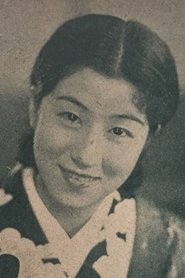
Setsuko Shinobu
Actor
Born: January 2, 1913 in Tokyo, Japan Died: October 27, 1997 Active: 1936-1945 Birth Name: Setsuko Shinobu (stage name was her birth name)
Films
2 films
About Setsuko Shinobu
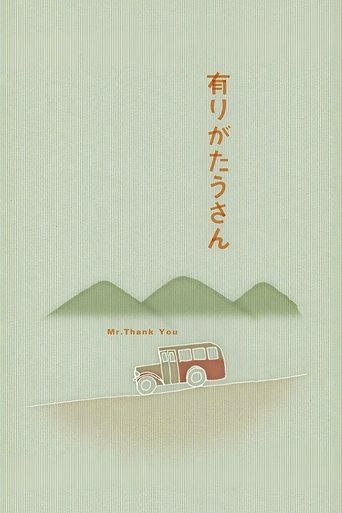
Japanese actress who emerged during the golden age of Japanese cinema in the 1930s. She began her film career in 1936 and quickly gained recognition for her performances in socially conscious films that reflected contemporary Japanese society. Her collaboration with acclaimed director Hiroshi Shimizu on 'Mr. Thank You' (1936) established her as a promising talent in the Japanese film industry. Throughout her career, she worked with some of Japan's most respected directors, including Yasujirō Ozu, contributing to the development of Japanese cinema's distinctive aesthetic. Her most notable work came during the challenging wartime period, where she continued to perform in films that often carried subtle social commentary. Shinobu's career, though relatively brief, spanned nearly a decade during a transformative period in Japanese history and cinema. Her performances helped define the acting style of pre-war and wartime Japanese cinema, characterized by subtlety and emotional restraint.
The Craft
On Screen
Setsuko Shinobu's acting style embodied the characteristic subtlety and emotional restraint of 1930s-40s Japanese cinema. She employed a minimalist approach, using delicate gestures and facial expressions to convey complex emotions, reflecting the traditional Japanese aesthetic of understatement. Her performances were marked by a naturalistic quality that stood out during an era when many actors still employed theatrical techniques influenced by kabuki and noh theater. Shinobu had a particular talent for portraying ordinary women with dignity and depth, bringing authenticity to roles that represented the everyday struggles and aspirations of Japanese women during a tumultuous period in the nation's history.
Milestones
- Breakthrough role in 'Mr. Thank You' (1936) directed by Hiroshi Shimizu
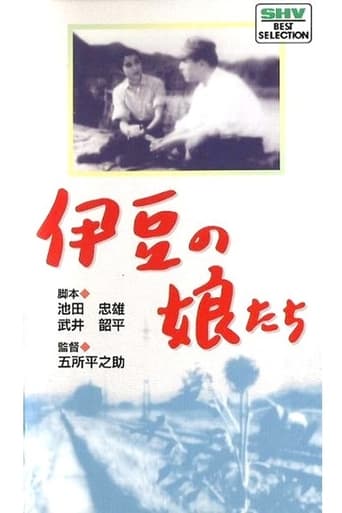
- Starring role in 'Izu no musumetachi' (1945)
- Collaboration with director Yasujirō Ozu on multiple projects
- Recognition as one of Japan's promising young actresses of the late 1930s
- Contribution to wartime Japanese cinema with nuanced performances
Best Known For
Iconic Roles
Must-See Films
Accolades
Special Recognition
- Recognized in Japanese film history as a significant actress of the 1930s-40s era
- Featured in retrospectives of classic Japanese cinema
Working Relationships
Worked Often With
Studios
Why They Matter
Impact on Culture
Setsuko Shinobu contributed significantly to the development of Japanese cinema's unique voice during the 1930s and 1940s. Her performances in films like 'Mr. Thank You' helped establish the naturalistic acting style that would become characteristic of Japanese cinema's golden age. Through her work, she participated in creating films that documented and critiqued Japanese society during a period of rapid modernization and political upheaval. Her portrayal of ordinary Japanese women provided audiences with relatable characters that reflected the changing roles and aspirations of women in Japanese society. Shinobu's career, though brief, represents an important bridge between the early sound era of Japanese cinema and the post-war renaissance that would bring Japanese filmmakers international acclaim.
Lasting Legacy
Setsuko Shinobu's legacy endures through her contributions to classic Japanese cinema, particularly her work with directors Hiroshi Shimizu and Yasujirō Ozu. Her films are studied today as examples of the sophisticated storytelling and visual style that characterized Japanese cinema before it gained international recognition. Shinobu represents a generation of Japanese actresses who helped establish the emotional depth and subtlety that would become hallmarks of Japanese performance style. Her work continues to be featured in retrospectives of classic Japanese cinema, where scholars and enthusiasts appreciate the skill and artistry she brought to her roles. Though she retired before the post-war boom that brought Japanese cinema to global attention, her performances helped lay the groundwork for the international success that Japanese filmmakers would achieve in the 1950s.
Who They Inspired
Setsuko Shinobu influenced subsequent generations of Japanese actresses through her demonstration of how to combine emotional authenticity with the aesthetic principles of Japanese performance traditions. Her naturalistic acting style provided a model for performers seeking to move away from the theatrical techniques prevalent in early Japanese cinema. The subtlety and restraint she brought to her roles became reference points for actresses working in the more realistic style that dominated Japanese cinema after World War II. Her collaborations with master directors like Shimizu and Ozu helped establish acting approaches that would influence Japanese cinema for decades, even as the industry evolved and changed in the post-war period.
Off Screen
Setsuko Shinobu led a relatively private life away from the public eye, which was common for Japanese actresses of her era. She came of age during a period of significant social and political change in Japan, which undoubtedly influenced both her personal choices and professional opportunities. Like many women in Japanese cinema during this period, she navigated the challenges of maintaining a career in an industry that was rapidly evolving while also dealing with the societal expectations placed on women. Her retirement from acting in 1945 coincided with the end of World War II, a time when many aspects of Japanese society, including the film industry, underwent dramatic transformation.
Education
Limited information available about her formal education, but she likely received training in traditional Japanese performing arts as preparation for her acting career.
Did You Know?
- Her real name was the same as her stage name, which was uncommon in Japanese entertainment
- She retired from acting at the relatively young age of 32, coinciding with the end of World War II
- 'Mr. Thank You' (1936) was one of her first films and remains her most internationally recognized work
- She worked during a period when Japanese cinema was transitioning from silent films to talkies
- Her active years covered both pre-war and wartime Japanese cinema, two distinct periods in film history
- She was part of the generation of Japanese actresses who helped establish the naturalistic acting style that would become characteristic of Japanese cinema
- Despite her brief career, she worked with several of Japan's most acclaimed directors
- Her films often featured social commentary, a common theme in Japanese cinema of the 1930s and 1940s
In Their Own Words
(No widely documented quotes are available from Setsuko Shinobu, which was common for actors of her era in Japan)
Frequently Asked Questions
Who was Setsuko Shinobu?
Japanese actress active during the 1930s and 1940s, known for her work in classic Japanese cinema. She appeared in notable films including 'Mr. Thank You' (1936) and 'Izu no musumetachi' (1945), working with acclaimed directors like Hiroshi Shimizu and Yasujirō Ozu during a transformative period in Japanese film history.
What films is Setsuko Shinobu best known for?
Titles linked here include Mr. Thank You (1936), Izu no musumetachi (1945).
When was Setsuko Shinobu born and when did she die?
Born January 2, 1913; died October 27, 1997.
What awards did Setsuko Shinobu win?
While specific awards for Setsuko Shinobu are not extensively documented, she is recognized in Japanese film history as a significant actress of the 1930s-40s era. Her work has been featured in retrospectives of classic Japanese cinema, honoring her contribution to the development of Japanese film artistry.
What was Setsuko Shinobu's acting style?
Setsuko Shinobu's acting style was characterized by subtlety and emotional restraint, typical of Japanese cinema in the 1930s and 1940s. She employed a naturalistic approach with minimal gestures and expressions to convey complex emotions, embodying the traditional Japanese aesthetic of understatement while helping establish the realistic performance style that would define Japanese cinema's golden age.