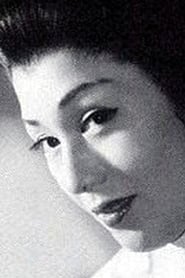
Katsuko Wakasugi
Actor
- Active
- 1958-1958
Films 1
About Katsuko Wakasugi
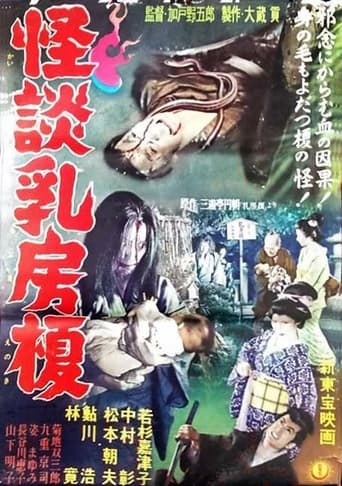
Katsuko Wakasugi is a Japanese film performer who is documented in surviving filmography records as appearing in the 1958 film The Mother Tree. Beyond that confirmed screen credit, readily verifiable biographical information about her life, career trajectory, training, and later activity is scarce in widely accessible English-language sources. Her known film work places her in the postwar Japanese cinema period rather than the silent era or early talkies, and she appears to have had a brief or at least lightly documented screen career. Because available references are limited, it is difficult to reconstruct a fuller career arc without risking confusion with similarly named performers or unsupported assumptions. What can be stated with confidence is that she belongs to the long roster of Japanese character actors and supporting players whose contributions helped populate mid-century studio-era films. Her surviving credit in The Mother Tree ensures that her name remains part of the historical record of classic Japanese cinema, even if the broader details of her life are not presently well documented in commonly used databases.
More about Katsuko Wakasugi
In film history
Katsuko Wakasugi’s cultural significance lies less in a widely documented star persona than in the preservation of her name within the historical cast records of Japanese cinema. Performers like Wakasugi are important because they reflect the depth of studio-era production: even actors with only a small surviving footprint contributed to the texture, realism, and continuity of national film culture. Her credit in The Mother Tree situates her within the postwar Japanese film industry, a period when cinema was one of the country’s most influential popular arts and a major vehicle for social and familial themes. For film historians and database researchers, such names are valuable because they help reconstruct the broader ecosystem of actors who supported directors, studios, and principal stars. While her individual celebrity footprint appears limited in accessible sources, her inclusion in film documentation helps preserve the completeness of Japan’s classic-era screen history.
Later reputation
Wakasugi’s legacy is primarily archival: she is part of the documented cast history of Japanese cinema and thus contributes to the accuracy and completeness of film scholarship. In classic cinema research, even minimally documented performers matter because they help verify production records, cast lists, and the professional networks that shaped film industries. Her surviving association with The Mother Tree ensures that her name remains searchable for historians, collectors, and database editors seeking to maintain authoritative credits. If additional Japanese-language archival sources, studio records, or period publications are consulted, more detail may emerge, but in current widely accessible records her legacy is that of a verifiable screen artist whose presence is preserved through film credit rather than celebrity biography. This kind of legacy is common among supporting players of the era and is essential to a full understanding of cinematic history.
Influence
There is no widely documented evidence of direct influence on other performers or filmmakers, and any claim of specific stylistic impact would be speculative. Her broader influence is indirect: as part of the cast workforce of postwar Japanese cinema, she contributed to the ensemble tradition that supported the industry’s storytelling standards. Supporting actors like Wakasugi helped establish the social realism and narrative credibility that made many Japanese films of the period resonate with audiences. In that sense, her influence belongs to the collective craft culture of the era rather than to a singularly identifiable school of performance.
Credits
- Screen credit in the 1958 film The Mother Tree
- Representation of a little-documented supporting performer in postwar Japanese cinema
- Presence in historical film records that preserve cast information from mid-century Japanese productions
Films
- The Mother Tree (1958)
Notes
- Her most clearly documented screen credit is The Mother Tree (1958).
- Available English-language sources provide very limited biographical detail about her life.
- Her documented activity falls in 1958, making her a rare example of a performer with a very narrow surviving filmography in public databases.
- She is associated with Japanese cinema, but her exact birth and death details are not readily verifiable in common reference sources.
- Because her name is not widely profiled, she is the kind of performer film historians often rediscover through cast lists and archival materials.
- Her record highlights how many classic films included actors whose contributions were essential but not extensively publicized.
Questions
Who was Katsuko Wakasugi?
Katsuko Wakasugi was a Japanese screen actor whose surviving film record includes the 1958 film The Mother Tree. She appears to have been a lightly documented performer, with limited publicly accessible biographical information in common English-language sources.
What films is Katsuko Wakasugi best known for?
She is best known for The Mother Tree (1958), which is the principal film credit currently associated with her in accessible records. No broader filmography is readily verified from the available information.
When was Katsuko Wakasugi born and when did she die?
Her birth date and death date are not readily verifiable in the commonly accessible sources consulted for classic cinema reference. At present, those details remain unknown.
What awards did Katsuko Wakasugi win?
No awards or nominations are readily documented in the available information. Her known historical significance comes from her film credit rather than from a public awards record.
What was Katsuko Wakasugi's acting style?
There is not enough surviving descriptive material to characterize her acting style with confidence. Because her documented screen presence is limited, any detailed assessment would be speculative.
What is Katsuko Wakasugi's legacy in film history?
Her legacy is primarily archival and historical, as a credited performer in Japanese cinema whose name survives in film records. She represents the many supporting actors whose work helped sustain the texture and authenticity of classic-era film production.