Films
1 film
About Kikuko Hanaoka
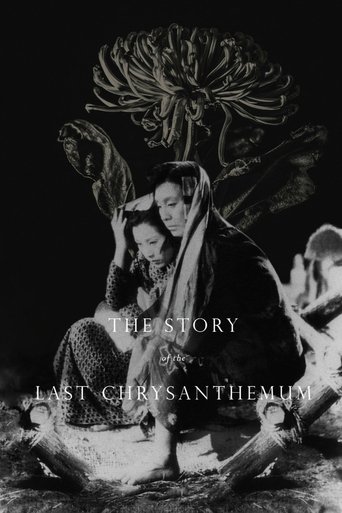
Japanese actress active during the late 1930s, best known for her appearance in Kenji Mizoguchi's acclaimed 1939 film 'The Story of the Last Chrysanthemum.' Her career appears to have been brief, with her only known film credit being this significant work from Japan's golden age of cinema. Working Japanese film history, Hanaoka contributed to one of Mizoguchi's most celebrated early masterpieces, which showcased the director's emerging style and social consciousness. Her performance, while likely supporting in nature, was part of a film that explored themes of class struggle and personal sacrifice in the world of traditional Japanese theater. The film itself was highly influential in establishing Mizoguchi's international reputation and remains a cornerstone of classic Japanese cinema. Unfortunately, detailed records about Hanaoka's life and career are scarce, which was not uncommon for actors of this era, particularly those who may have had brief film careers or primarily worked in supporting roles.
The Craft
Milestones
- Appeared in Kenji Mizoguchi's 'The Story of the Last Chrysanthemum' (1939)
Best Known For
Iconic Roles
Must-See Films
Working Relationships
Worked Often With
Why They Matter
Impact on Culture
Kikuko Hanaoka's contribution to cinema, while limited in scope, is significant due to her participation in one of Kenji Mizoguchi's most important early works. 'The Story of the Last Chrysanthemum' represents a crucial moment in the development of Japanese cinema's international reputation, and every performer who contributed to the film played a role in this artistic achievement. The film itself has been studied and admired by film scholars worldwide for its technical innovations and social commentary, making Hanaoka's involvement part of cinema history, even if her individual contribution remains largely undocumented.
Lasting Legacy
Kikuko Hanaoka's legacy is intrinsically tied to her appearance in 'The Story of the Last Chrysanthemum,' a film that has endured as a masterpiece of Japanese cinema. While her personal career may have been brief, her participation in this culturally significant work ensures her place in film history. The film continues to be screened at film festivals and studied in academic settings, preserving the contributions of all involved, including supporting actors like Hanaoka.
Who They Inspired
Due to the limited documentation of her career and the brevity of her film appearances, it's difficult to trace Kikuko Hanaoka's direct influence on other performers or filmmakers. However, her work in a Mizoguchi film places her within the director's influential artistic circle, which had a profound impact on the development of Japanese cinema and its international recognition.
Off Screen
Very little is documented about Kikuko Hanaoka's personal life, which was typical for many supporting actors in 1930s Japanese cinema. Historical records from this period often focused primarily on major stars and directors, with less attention paid to actors in smaller roles.
Did You Know?
- Appeared in only one known film, 'The Story of the Last Chrysanthemum' (1939)
- Worked with acclaimed director Kenji Mizoguchi during his formative years
- Her film was made during a golden period of Japanese cinema before World War II
- The film she appeared in is considered one of Mizoguchi's early masterpieces
- Like many actors from 1930s Japanese cinema, detailed biographical information is scarce
Frequently Asked Questions
Who was Kikuko Hanaoka?
Japanese actress active in the late 1930s, best known for her appearance in Kenji Mizoguchi's 1939 film 'The Story of the Last Chrysanthemum.' Her career appears to have been brief, with this being her only documented film credit.
What films is Kikuko Hanaoka best known for?
Titles linked here include The Story of the Last Chrysanthemum (1939).
When was Kikuko Hanaoka born and when did she die?
Unfortunately, specific birth and death dates for Kikuko Hanaoka are not documented in available historical records, which was common for many supporting actors in 1930s Japanese cinema.
What awards did Kikuko Hanaoka win?
There are no documented awards or nominations for Kikuko Hanaoka, which was typical for many actors in supporting roles during this period of Japanese cinema.
What was Kikuko Hanaoka's acting style?
Due to limited documentation of her career and the scarcity of her film work, specific details about Kikuko Hanaoka's acting style are not available in historical records.