
Edwin Carewe
Director
Born: March 5, 1883 in Gainesville, Texas, USA Died: January 22, 1940 Active: 1915-1934 Birth Name: Jay John Fox
Films
1 film
About Edwin Carewe
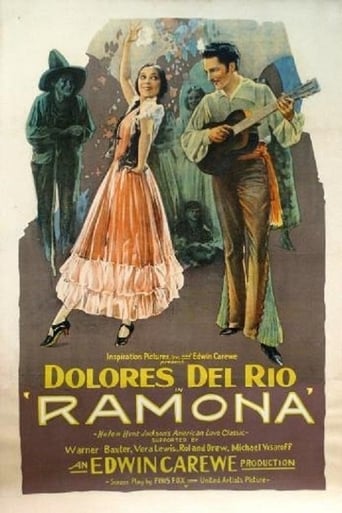
Edwin Carewe, born Jay John Fox, was a film director, producer, and screenwriter of Cherokee Native American descent who worked primarily during the silent era and early sound period. Beginning his career as an actor in the 1910s, he quickly transitioned to directing and established himself as a talented filmmaker with a distinctive vision for literary adaptations. His most acclaimed work, 'Ramona' (1928), starred Dolores del Río and was one of the early films to utilize Technicolor technology, showcasing his innovative approach to filmmaking and visual storytelling. Carewe directed over 60 films between 1915 and 1934, working with major stars of the era including Dolores del Río, Patsy Ruth Miller, and his adopted daughter Rita Carewe. His Cherokee heritage profoundly influenced his choice of subject matter, often bringing Native American stories to mainstream audiences during a time when such representation was virtually nonexistent in Hollywood. Despite his significant contributions to early cinema, Carewe's career declined with the advent of sound films, and many of his silent works have been lost to time. His legacy as one of early Hollywood's few Native American directors represents an important, though often overlooked, chapter in American film history.
The Craft
Behind the Camera
Carewe was known for his visually lush and romantic directing style, with a particular talent for adapting literary works to the screen. His films often featured sweeping landscapes and dramatic visual compositions, taking full advantage of the silent medium's visual storytelling capabilities. As a director of Cherokee descent, he brought a unique perspective to Native American stories, though sometimes filtered through the romanticized lens of the period. His work in 'Ramona' demonstrated his willingness to embrace new technologies like Technicolor to enhance the emotional impact of his stories. Carewe's directing emphasized melodrama and emotional intensity, characteristic of the silent era's most popular productions, while maintaining a sensitivity to cultural themes that reflected his heritage.
Milestones
- Directed 'Ramona' (1928) in early Technicolor
- Adapted numerous literary works for the screen
- One of the few Native American directors in early Hollywood
- Pioneered the use of new filming technologies
- Discovered and promoted Dolores del Río's early career
- Directed over 60 films during his career
- Successfully transitioned from actor to director
- Brought Native American stories to mainstream cinema
Best Known For
Must-See Films
Accolades
Won
- No major awards documented
Nominated
- Academy Award nomination for Best Writing for 'A Ship Comes In' (1928)
Special Recognition
- Native American filmmaker
- Early adopter of Technicolor technology
- Hollywood Walk of Fame star (located at 6364 Hollywood Blvd)
Working Relationships
Worked Often With
Studios
Why They Matter
Impact on Culture
Edwin Carewe made significant cultural contributions as one of Hollywood's few Native American directors during the silent era, bringing indigenous perspectives to mainstream American cinema. His adaptation of 'Ramona' brought attention to Native American issues and California's mission history, though through the romanticized perspective typical of the period, it nonetheless sparked important conversations about cultural representation. As a filmmaker of Cherokee heritage, he provided a rare indigenous voice in early Hollywood, even while working within the constraints of the studio system and prevailing cultural attitudes. His willingness to embrace new technologies like Technicolor helped advance the art of filmmaking during a crucial transitional period in cinema history. Carewe's focus on literary adaptations helped elevate the cultural status of cinema as an art form worthy of serious literary treatment, contributing to the medium's artistic legitimacy during its formative years.
Lasting Legacy
Edwin Carewe's legacy is complex and multifaceted, representing both the possibilities and limitations faced by minority filmmakers in early Hollywood. As a successful director of Native American descent, he paved the way for greater diversity in filmmaking, even if his impact wasn't fully recognized during his lifetime and has been somewhat obscured by the passage of time. His films, particularly 'Ramona,' remain important artifacts of silent era cinema and early use of color technology, though the tragic loss of many of his silent films has unfortunately limited modern appreciation of his complete body of work. Carewe's career demonstrates the challenges faced by directors who specialized in silent films as the industry transitioned to sound, highlighting the technological and artistic shifts that defined this crucial period in film history. His story illuminates both the opportunities available to talented individuals in early Hollywood and the persistent barriers that existed for filmmakers from underrepresented backgrounds.
Who They Inspired
Carewe influenced later filmmakers through his early adoption of color technology and his focus on literary adaptations, demonstrating how classic literature could be successfully translated to the cinematic medium. His work with Dolores del Río helped establish her as one of the first major Latina stars in Hollywood, influencing the industry's approach to ethnic casting and international appeal. As a Native American director, he created a precedent for indigenous filmmakers that would only be fully realized decades later with the emergence of the Native American film movement. His visual style and approach to melodrama influenced the development of the romantic drama genre in American cinema, particularly in the use of sweeping landscapes and emotional storytelling. Though not widely studied today, his techniques for adapting literary works to the silent screen provided a template for subsequent filmmakers tackling similar challenges in bringing classic literature to moving pictures.
Off Screen
Edwin Carewe was born Jay John Fox to a Cherokee family in Texas, which significantly influenced his later filmmaking choices and perspective throughout his career. He married actress Mary Akin in 1915, and after their divorce in 1927, he adopted a young girl whom he named Rita Carewe and promoted as an actress in his films. This controversial relationship with his adopted daughter, who became his second wife in 1928, raised eyebrows in Hollywood society and remains a subject of speculation. Despite his professional success during the silent era, Carewe faced significant financial difficulties later in his career, particularly as the film industry transitioned to sound and his directing style became less fashionable. He died of a heart attack in Hollywood in 1940 at the age of 56, leaving behind a complex legacy as one of early Hollywood's few Native American filmmakers.
Education
Limited formal education documented; largely self-taught in the film industry through practical experience
Family
- Mary Akin (1915-1927)
- Rita Carewe (1928-1931)
Did You Know?
- Born Jay John Fox but changed his name to Edwin Carewe for his film career
- Was of Cherokee Native American descent, rare among early Hollywood directors
- His 1928 film 'Ramona' was one of the first to use Technicolor
- Adopted and later married his young protégé Rita Carewe
- Directed over 60 films during his career, but most are now lost
- Discovered and helped launch Dolores del Río's Hollywood career
- His brother Wallace Fox also worked in the film industry as a director
- Began his career as an actor before transitioning to directing
- Was particularly skilled at adapting literary works to the silent screen
- His career declined sharply with the advent of sound films
- Received a star on the Hollywood Walk of Fame posthumously
- Was one of the first Native Americans to achieve significant success as a Hollywood director
In Their Own Words
No documented famous quotes from Edwin Carewe have survived in historical records
Frequently Asked Questions
Who was Edwin Carewe?
on YTB.my. He directed over 60 films between 1915 and 1934, with his most notable work being 'Ramona' (1928). Born Jay John Fox in Texas, he was one of the few Native American directors in early Hollywood and was known for adapting literary works to the screen.
What films is Edwin Carewe best known for?
Titles linked here include Ramona (1928), Resurrection (1927).
When was Edwin Carewe born and when did he die?
Born March 5, 1883; died January 22, 1940.
What awards did Edwin Carewe win?
While Edwin Carewe didn't receive major documented awards during his lifetime, he was recognized as a Native American filmmaker and an early adopter of Technicolor technology. His film 'A Ship Comes In' (1928) received an Academy Award nomination for Best Writing. He was posthumously honored with a star on the Hollywood Walk of Fame for his contributions to cinema.
What was Edwin Carewe's directing style?
Carewe was known for his visually lush and romantic directing style, with particular skill in adapting literary works to the silent screen. His films featured dramatic visual compositions and emotional intensity, characteristic of the silent era's melodramas. As a Cherokee director, he brought unique perspective to Native American stories, though often through the romanticized lens of the period.
How did Edwin Carewe influence cinema?
Carewe influenced cinema through his early adoption of Technicolor technology, his successful literary adaptations, and his work launching Dolores del Río's career. As one of the few Native American directors in early Hollywood, he paved the way for greater diversity in filmmaking and brought indigenous stories to mainstream audiences, albeit filtered through the cultural perspectives of his time.
What was Edwin Carewe's relationship with Rita Carewe?
Edwin Carewe adopted a young girl whom he named Rita Carewe and promoted as an actress in his films. He later married her in 1928 after divorcing his first wife Mary Akin. This controversial relationship raised eyebrows in Hollywood society and remains a subject of historical speculation about the nature of their personal and professional relationship.