
Films
3 films
About Ted Peshak
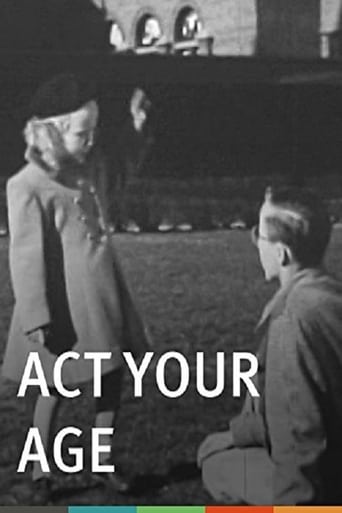
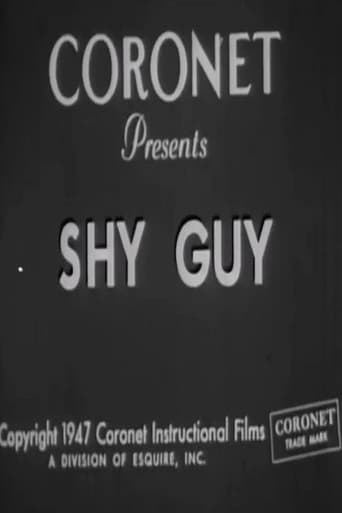
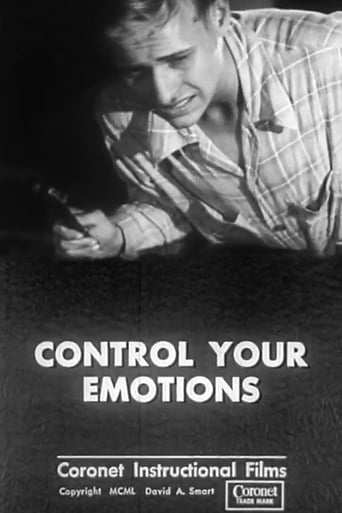
Director who specialized in educational and social guidance films during the late 1940s, working primarily for Coronet Films, one of the leading producers of educational content in America. His most notable works include 'Shy Guy' (1947), which explored adolescent social anxiety, 'Act Your Age' (1949), focusing on emotional maturity in teenagers, and 'Control Your Emotions' (1950), which addressed adolescent emotional regulation. Peshak's films were characterized by their earnest, didactic approach and were widely distributed to schools across the United States as part of post-war educational initiatives. His directing style was straightforward and instructional, designed to clearly communicate social lessons to young audiences. While his active period was brief (1947-1950), his films have gained renewed attention in recent decades as cultural artifacts of mid-20th century American educational philosophy. Little is documented about his career beyond these educational films, as directors in this genre rarely received the same recognition as their Hollywood counterparts.
The Craft
Behind the Camera
Instructional and didactic approach with clear moral lessons, straightforward narrative structure designed for educational purposes, focusing on behavioral modeling and social guidance for adolescent audiences
Milestones
- Directed 'Shy Guy' (1947) for Coronet Films
- Created 'Act Your Age' (1949) focusing on emotional maturity
- Produced 'Control Your Emotions' (1950) as part of educational film series
- Contributed to post-war educational film movement
- Created films that became cultural time capsules of 1940s social guidance
Best Known For
Must-See Films
Working Relationships
Studios
Why They Matter
Impact on Culture
Ted Peshak's films have become important cultural artifacts that provide insight into mid-20th century American educational philosophy and social norms. His work, particularly 'Shy Guy,' has gained cult status in recent years for its earnest portrayal of adolescent social challenges and is frequently referenced in discussions about vintage educational media. These films serve as time capsules, preserving the post-war emphasis on conformity, emotional regulation, and social adjustment that characterized American educational approaches of the era.
Lasting Legacy
Peshak's legacy lies in his contribution to the educational film genre that shaped generations of American students. While not a Hollywood luminary, his films have endured as cultural touchstones, often featured in retrospectives of vintage educational cinema and analyzed by scholars studying media's role in socialization. His work represents an important chapter in the history of educational media and its influence on American youth culture during the post-war period.
Who They Inspired
Peshak influenced the educational film format through his clear, instructional approach to social guidance. His techniques for modeling appropriate social behavior and emotional responses became templates for subsequent educational filmmakers. While not widely known by name, his directing style influenced how educational content was presented to students for decades, emphasizing direct instruction and behavioral examples over subtlety or artistic ambiguity.
Off Screen
Very little personal information about Ted Peshak is documented in historical records, which was common for directors working in the educational film industry rather than mainstream Hollywood cinema.
Did You Know?
- His films were produced by Coronet Films, a major educational film producer
- 'Shy Guy' (1947) has become his most recognized work and is frequently cited in discussions of vintage educational films
- His films were shown in classrooms across America throughout the 1950s and 1960s
- The actors in his films were typically unknown amateurs rather than professional actors
- His films have gained renewed interest as examples of 'mental hygiene' films from the post-war era
- Educational films like his were often shown on 16mm projectors in school auditoriums
- His directing career appears to have been concentrated exclusively in the educational film genre
- His films are now studied by historians as examples of mid-20th century social conditioning through media
Frequently Asked Questions
Who was Ted Peshak?
on YTB.my.
What films is Ted Peshak best known for?
Titles linked here include Shy Guy (1947), Act Your Age (1949).
When was Ted Peshak born and when did he die?
Unfortunately, detailed biographical information about Ted Peshak's birth and death dates is not readily available in historical records, which was common for directors working in the educational film industry rather than mainstream Hollywood.
What awards did Ted Peshak win?
There are no documented awards or nominations for Ted Peshak's work, as educational films from this era rarely received the same recognition as Hollywood feature films and were not typically considered for major industry awards.
What was Ted Peshak's directing style?
Peshak's directing style was instructional and didactic, characterized by straightforward narrative structures designed to clearly communicate social lessons to young audiences. His approach emphasized behavioral modeling and direct instruction over artistic subtlety.