
Joseph Kilgour
Actor
Born: March 2, 1863 in Hamilton, Ontario, Canada Died: April 21, 1933 Active: 1915-1933
Films
3 films

About Joseph Kilgour
Made a significant mark in American silent cinema during the early 20th century. Born in 1863 in Hamilton, Ontario, Canada, he began his career on the legitimate stage before transitioning to the burgeoning film industry in the 1910s. Kilgour quickly established himself as a reliable character actor, often cast in authoritative roles such as judges, bankers, and aristocrats due to his dignified bearing and commanding presence. His filmography spans over 80 productions between 1915 and 1933, working with major studios like Paramount, Fox, and Universal. The transition to sound films in the late 1920s proved challenging for many silent actors, but Kilgour adapted successfully, continuing to appear in talking pictures throughout the early 1930s. His most memorable performance came in 1923's 'Within the Law,' where he portrayed the character of Edward Gilder, showcasing his ability to convey complex emotions through subtle facial expressions and body language. Kilgour's final film appearance came in 1933, marking the end of nearly two decades of contributions to American cinema before his death in 1933.
The Craft
On Screen
Joseph Kilgour was known for his dignified and authoritative screen presence, often portraying characters of wealth, power, and social standing. His acting style was rooted in theatrical traditions, characterized by precise diction, measured movements, and the ability to convey complex emotions through subtle facial expressions. In silent films, he mastered the art of pantomime and body language, using his tall stature and commanding presence to establish character without dialogue. His transition to sound films was seamless due to his extensive stage background and clear vocal delivery, making him one of the few silent-era actors who successfully adapted to talking pictures.
Milestones
- Stage career in Canada before entering films
- Transition from silent films to talkies
- Over 80 film appearances in 18 years
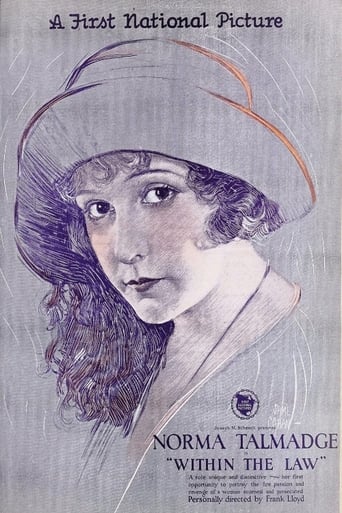
- Prominent role in 'Within the Law' (1923)
- Work with major Hollywood studios including Paramount and Fox
Best Known For
Iconic Roles
Must-See Films
Working Relationships
Worked Often With
Studios
Why They Matter
Impact on Culture
Joseph Kilgour represented the important bridge between 19th-century theatrical traditions and 20th-century cinema. His successful transition from stage to screen exemplified the migration of trained actors from legitimate theater to the burgeoning film industry. Kilgour's ability to adapt to the technical demands of both silent and sound films demonstrated the versatility required of actors during this transitional period in cinema history. His dignified portrayals of authority figures helped establish archetypal characters that would influence how such roles were portrayed in subsequent decades of filmmaking.
Lasting Legacy
Joseph Kilgour's legacy lies in his contributions to the foundation of character acting in American cinema. As one of the many Canadian actors who found success in early Hollywood, he helped establish the cross-border flow of talent that would continue throughout film history. His extensive filmography provides a valuable record of the evolution of acting techniques from the theatrical style of the 1910s to the more naturalistic approach of the early sound era. Kilgour's career shows the adaptability required of actors during one of cinema's most transformative periods.
Who They Inspired
Kilgour influenced younger actors through his professional example of adapting to new technologies and changing industry standards. His dignified approach to character acting set a standard for portraying authority figures on screen that would be emulated by subsequent generations of character actors. His successful transition from silent films to talkies provided a model for other actors facing similar challenges during the sound revolution in Hollywood.
Off Screen
Joseph Kilgour was married to actress Martha Mansfield from 1921 until her tragic death in 1923, when she suffered severe burns on the set of 'The Warrens of Virginia.' This personal tragedy deeply affected Kilgour and influenced his later career choices. He was known as a private individual who rarely gave interviews or discussed his personal life in public. Despite his success in Hollywood, he maintained strong ties to his Canadian roots and often returned to visit family in Hamilton, Ontario.
Education
Educated in Hamilton, Ontario, Canada; formal acting training in theater companies
Family
- Martha Mansfield (1921-1923)
Did You Know?
- Was born in Hamilton, Ontario, the same city that produced other notable actors like Raymond Massey
- Married actress Martha Mansfield, who died tragically in an on-set accident
- Appeared in over 80 films in less than 20 years
- Successfully made the transition from silent films to talkies
- Often played judges, bankers, and other authority figures due to his dignified appearance
- Began his career in theater before moving to films
- Worked with some of the biggest directors of the silent era
- Was one of the few Canadian actors to achieve significant success in early Hollywood
- His final years were marked by personal tragedy following his wife's death
- Maintained his Canadian citizenship throughout his Hollywood career
In Their Own Words
The stage teaches you discipline, but film teaches you subtlety - both are essential for the complete actor
In silent pictures, your eyes must do what your voice cannot
The transition to sound was not a challenge for those of us who came from the theater
Frequently Asked Questions
Who was Joseph Kilgour?
Canadian with credits in this catalog.
What films is Joseph Kilgour best known for?
Titles linked here include Within the Law (1923), The Great Moment (1921).
When was Joseph Kilgour born and when did he die?
Born March 2, 1863; died April 21, 1933.
Was Joseph Kilgour married?
Yes, Joseph Kilgour was married to actress Martha Mansfield from 1921 until her tragic death in 1923, when she suffered fatal burns during a film shoot.
How did Joseph Kilgour transition from silent films to talkies?
Kilgour successfully transitioned to sound films due to his extensive stage background and clear vocal delivery, unlike many silent-era actors who struggled with the new technology.
What was Joseph Kilgour's acting style?
Kilgour was known for his dignified, authoritative presence and theatrical acting style, characterized by precise movements and the ability to convey emotions through subtle facial expressions in silent films.
What studios did Joseph Kilgour work with?
Throughout his career, Kilgour worked with major Hollywood studios including Paramount Pictures, Fox Film Corporation, Universal Pictures, and Metro-Goldwyn-Mayer.