Films
1 film
About Henri Chomette
French filmmaker and theorist of the 1920s avant-garde cinema movement, best known for his experimental work 'Cinq minutes de cinéma pur' (Five Minutes of Pure Cinema) from 1926. As a key figure in the French Impressionist and avant-garde cinema movements, Chomette championed the concept of 'pure cinema' - films that relied entirely on visual elements, rhythm, and movement rather than narrative or theatrical conventions. His theoretical writings and practical experiments sought to establish cinema as an independent art form with its own unique language and capabilities. Chomette's brief but influential career coincided with the golden age of French avant-garde cinema, where he worked alongside other experimental filmmakers like Germaine Dulac, Jean Epstein, and Abel Gance. His films explored abstract visual patterns, rhythmic editing, and the pure visual poetry that could be achieved through camera movement and montage. Though his output was limited, Chomette's contributions to film theory and practice helped establish the foundations for experimental and abstract cinema that would influence generations of filmmakers to come.
The Craft
Behind the Camera
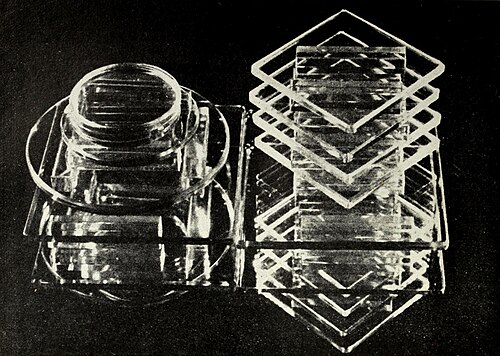
Chomette's directing style was characterized by radical abstraction, emphasizing visual rhythm, geometric patterns, and the pure visual possibilities of cinema. He rejected narrative conventions in favor of exploring camera movement, montage, and visual composition as the primary means of expression. His approach was influenced by musical forms, with films structured around visual rhythms and patterns rather than story. Chomette's work demonstrated how cinema could create meaning through purely visual means, using techniques like superimposition, rapid editing, and abstract imagery.
Milestones
- Directed 'Cinq minutes de cinéma pur' (1926), his most influential work
- Developed theories of 'pure cinema' and visual abstraction
- Contributed to French avant-garde cinema movement of the 1920s
- Explored rhythmic editing and abstract visual patterns
- Worked during the golden age of French Impressionist cinema
Best Known For
Must-See Films
Accolades
Special Recognition
- Recognized as a pioneer of avant-garde cinema
- Cited in film history studies as an important experimental filmmaker
Working Relationships
Worked Often With
Studios
Why They Matter
Impact on Culture
Henri Chomette's work had a significant impact on the development of experimental cinema and film theory. His concept of 'pure cinema' influenced generations of filmmakers who sought to explore the visual and rhythmic possibilities of the medium beyond narrative constraints. His films and theoretical writings contributed to the understanding of cinema as an independent art form capable of abstract expression. Chomette's work helped establish the foundation for experimental film movements that would emerge throughout the 20th century, from the American avant-garde of the 1940s to structural cinema of the 1960s. His emphasis on visual rhythm and abstraction prefigured music video aesthetics and contemporary experimental filmmaking.
Lasting Legacy
Henri Chomette's legacy lies in his contribution to avant-garde cinema theory and practice. His film 'Cinq minutes de cinéma pur' remains a classic example of abstract cinema and is studied in film schools worldwide. Chomette's writings on 'pure cinema' helped establish theoretical frameworks for understanding film as an independent visual medium. His work continues to be referenced in academic studies of experimental cinema and is preserved in film archives as an important example of early avant-garde filmmaking. Chomette's influence can be seen in the work of later experimental filmmakers who explored the boundaries between visual art and cinema.
Who They Inspired
Chomette influenced the development of experimental cinema through his theoretical writings and practical examples of abstract filmmaking. His work inspired filmmakers to explore the pure visual and rhythmic possibilities of cinema, free from narrative constraints. His approach to editing and visual composition influenced later experimental filmmakers, including those associated with the American avant-garde movement. Chomette's theories on 'pure cinema' contributed to academic discourse on film aesthetics and continue to influence contemporary experimental filmmakers and video artists who work with abstract visual forms.
Off Screen
Limited information is available about Henri Chomette's personal life. He was active in the Parisian avant-garde art scene of the 1920s, which included connections with Surrealist and Dadaist circles. His work was part of a broader cultural movement in France that sought to establish new forms of artistic expression in the aftermath of World War I. Chomette died in 1941, during the German occupation of France.
Education
Limited information available, likely educated in Paris during the early 20th century with exposure to avant-garde artistic movements
Did You Know?
- His most famous film 'Cinq minutes de cinéma pur' was exactly five minutes long, emphasizing his commitment to pure cinematic expression
- Chomette was part of the French avant-garde movement that sought to establish cinema as the 'seventh art'
- His work prefigured many techniques later used in music videos and abstract animation
- Chomette's films were often screened in avant-garde art galleries alongside abstract paintings
- His theoretical writings on 'pure cinema' were influential in early film theory circles
- Chomette's career was brief but intensely focused on experimental work during the mid-1920s
- His films were silent, emphasizing that cinema could communicate without words or intertitles
- Chomette worked during the same period as other famous French avant-garde filmmakers like René Clair and Jean Renoir
- His approach to cinema was influenced by contemporary movements in abstract art and music
- Despite his limited output, Chomette is considered an important figure in the history of experimental cinema
In Their Own Words
Cinema must become a language of its own, independent of theater and literature
Pure cinema is the art of visual rhythm and movement, freed from the constraints of narrative
The camera is an instrument of poetry, not just a recorder of events
Frequently Asked Questions
Who was Henri Chomette?
French avant-garde filmmaker and theorist of the 1920s, best known for his experimental film 'Five Minutes of Pure Cinema' (1926). He was a pioneer of abstract cinema who developed theories about 'pure cinema' - films that relied entirely on visual elements rather than narrative.
What films is Henri Chomette best known for?
Titles linked here include Cinq minutes de cinéma pur (1926), Jeux des reflets et de la vitesse (1925).
When was Henri Chomette born and when did he die?
Born 1897; died 1941.
What was Henri Chomette's directing style?
Chomette's directing style emphasized abstract visual patterns, rhythmic editing, and pure visual expression. He rejected narrative conventions in favor of exploring camera movement, montage, and visual composition as the primary means of cinematic expression, influenced by musical forms and abstract art.
What was 'pure cinema' according to Henri Chomette?
Chomette's concept of 'pure cinema' referred to films that relied entirely on visual elements, rhythm, and movement rather than narrative or theatrical conventions. He believed cinema should develop its own unique language independent of literature and theater.
How did Henri Chomette influence later filmmakers?
Chomette influenced generations of experimental filmmakers through his theoretical writings and practical examples of abstract cinema. His work helped establish foundations for experimental film movements and contributed to understanding cinema as a visual medium capable of abstract expression.