
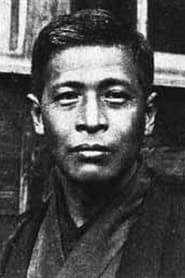
Shōzō Makino
Director
Born: September 22, 1878 in Kyoto, Japan Died: July 25, 1929 Active: 1908-1929
Films
1 film
About Shōzō Makino
Japanese film director often referred to as the 'Father of Japanese Cinema' for his foundational role in establishing the nation's film industry. Born in Kyoto in 1878, Makino began his career as a theater owner before transitioning to filmmaking in the early 1900s, recognizing the potential of this new medium. He founded Makino Film Productions and became instrumental in developing the Japanese studio system, producing hundreds of films throughout his career. Makino specialized in jidaigeki (period dramas) and was particularly known for his innovative action sequences and dynamic camera techniques that were revolutionary for the silent era. He discovered and mentored numerous actors and directors who would go on to shape Japanese cinema, including the actor Matsunosuke Onoe, who became Japan's first film star. Makino continued directing prolifically until his death in 1929, leaving behind a legacy that influenced generations of Japanese filmmakers and helped establish cinema as a legitimate art form in Japan.
The Craft
Behind the Camera
Shōzō Makino's directing style was characterized by dynamic action sequences and innovative camera movement that was revolutionary for the silent era. Drawing from his theatrical background, he incorporated dramatic staging and visual storytelling techniques that translated well to the screen. Makino was known for his ability to create suspense and excitement through carefully choreographed fight scenes and action sequences, often using multiple camera angles and movement techniques that were ahead of their time. His approach to jidaigeki films emphasized historical authenticity combined with entertainment value, creating a template that would influence Japanese period dramas for decades. Makino's directing style also showed a keen understanding of visual composition, using the full frame to create depth and movement in his scenes.
Milestones
- Founded Makino Film Productions, one of Japan's first major film studios
- Directed Japan's first major film star Matsunosuke Onoe in over 1,000 films
- Pioneered action cinema and dynamic camera techniques in Japanese film
- Established the jidaigeki (period drama) as a dominant genre in Japanese cinema
- Mentored numerous future directors and actors who shaped Japanese film industry
- Produced and directed over 1,000 films during his career
Best Known For
Must-See Films
Accolades
Won
- No formal awards available - predated Japanese film award systems
Nominated
- No formal nominations available - predated Japanese film award systems
Special Recognition
- Recognized as 'Father of Japanese Cinema' by film historians
- Pioneer of Japanese Film Industry designation
- Inducted into Japanese Film Hall of Fame posthumously
Working Relationships
Worked Often With
Studios
Why They Matter
Impact on Culture
Shōzō Makino's impact on Japanese cinema was transformative and far-reaching, essentially establishing the foundation upon which the entire Japanese film industry was built. As one of the first directors to recognize cinema's potential as both art and entertainment, he helped elevate film from a novelty attraction to a legitimate cultural medium. Makino's development of the jidaigeki genre created a uniquely Japanese cinematic form that would become one of the country's most significant contributions to world cinema. His innovative action techniques and visual storytelling methods influenced countless subsequent directors, including those who would later achieve international acclaim. The studio system he established became the model for Japanese film production for decades, and his discovery and development of Japan's first film star, Matsunosuke Onoe, created the template for Japanese celebrity culture in cinema. Makino's work also helped preserve and popularize Japanese historical stories and cultural traditions through the medium of film.
Lasting Legacy
Shōzō Makino's legacy as the 'Father of Japanese Cinema' continues to influence filmmakers more than a century after his death. The techniques and approaches he developed for action sequences and visual storytelling became standard elements of Japanese cinema, particularly in the jidaigeki genre that remains popular to this day. His establishment of a successful independent studio paved the way for Japan's robust film industry, which would later produce internationally acclaimed directors like Akira Kurosawa and Yasujirō Ozu. The Makino family's continued involvement in cinema through multiple generations demonstrates the lasting impact of his vision and business acumen. Many of the narrative and visual conventions that Makino helped establish can still be seen in contemporary Japanese film and television. His role in creating Japan's first film star also established the celebrity culture that remains integral to Japanese media. While many of his films have been lost to time due to poor preservation conditions, his influence survives through the work of those he mentored and the industry structure he helped create.
Who They Inspired
Shōzō Makino directly influenced generations of Japanese filmmakers through his mentorship and the establishment of his film studio, which served as a training ground for many future directors and technicians. His innovative approach to action sequences and camera movement influenced directors across all genres, not just period dramas. The visual language he developed for telling stories through cinema helped establish conventions that would become standard in Japanese filmmaking. His son Masahiro Makino carried forward and expanded upon his father's techniques, becoming a prominent director in his own right. Many directors who emerged from the Makino studio system went on to establish their own production companies, spreading Makino's influence throughout the Japanese film industry. His work in developing the star system with Matsunosuke Onee influenced how actors would be marketed and developed in Japanese cinema. Even internationally, the techniques Makino pioneered in action cinema would later influence how Japanese action films were perceived and appreciated globally.
Off Screen
Shōzō Makino came from a merchant family background in Kyoto and initially ran a theater before transitioning to film production. He was married and had several children, with his son Masahiro Makino following in his footsteps to become a prominent film director. The Makino family became a dynasty in Japanese cinema, with multiple generations contributing to the industry. Makino's business acumen from his merchant background helped him successfully establish and run his film studio. Despite his success, he maintained a relatively private personal life, focusing primarily on his work and the development of the Japanese film industry.
Education
Limited formal education typical of Meiji era Japan; primarily self-taught in filmmaking through practical experience
Family
- Unknown - historical records incomplete
Did You Know?
- Often called the 'Father of Japanese Cinema' for his role
- Directed over 1,000 films during his career, though most are now lost
- Discovered and developed Japan's first film star, Matsunosuke Onoe
- Founded one of Japan's first major film studios, Makino Film Productions
- His son Masahiro Makino also became a prominent film director
- Helped establish the jidaigeki (period drama) as Japan's signature film genre
- Was a theater owner before transitioning to film production
- Many of his films were destroyed in fires and during World War II
- Pioneered action sequences and camera techniques revolutionary for the silent era
- His studio system became the model for Japanese film production for decades
In Their Own Words
Film is not just entertainment, it is a way to preserve our culture and stories for future generations
The camera must move like a sword in the hands of a master - with purpose and precision
In every frame, there must be drama, in every cut, there must be purpose
Frequently Asked Questions
Who was Shōzō Makino?
Japanese on YTB.my. He was instrumental in establishing the Japanese film industry and developing the jidaigeki (period drama) genre.
What films is Shōzō Makino best known for?
Titles linked here include Jiraiya the Hero (1921), The Loyal 47 Ronin (multiple adaptations).
When was Shōzō Makino born and when did he die?
Born September 22, 1878; died July 25, 1929.
What awards did Shōzō Makino win?
Shōzō Makino worked before the establishment of formal film award systems in Japan, so he did not receive contemporary awards. However, he is posthumously recognized as a figure in Japanese cinema history and has been inducted into the Japanese Film Hall of Fame.
What was Shōzō Makino's directing style?
Makino's directing style was characterized by dynamic action sequences, innovative camera movement, and theatrical staging influenced by his background in theater. He pioneered visual storytelling techniques for jidaigeki films, emphasizing suspense, excitement, and dramatic composition in his silent-era productions.
How did Shōzō Makino influence Japanese cinema?
Makino established the foundation of Japan's film industry through his studio system, developed the jidaigeki genre, created Japan's first film star, and mentored numerous future directors. His techniques in action cinema and visual storytelling influenced generations of filmmakers and helped establish cinema as a legitimate art form in Japan.