Jiraiya the Hero
"Jiraiya is some sort of super-ninja with superpowers"
Keys: Space play/pause · ←/→ 10s · F fullscreen · M mute · </> speed
About this film
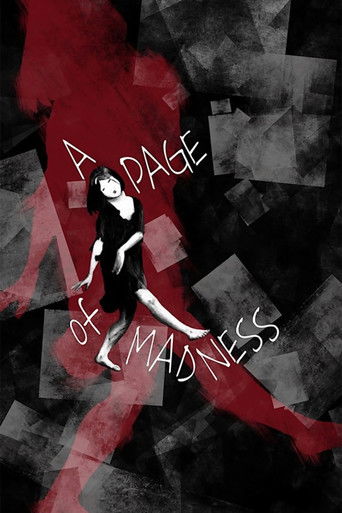
Jiraiya is some sort of super-ninja with superpowers. He can fly, he can avoid detection by turning himself into a toad, and he has some sort of ability to vanish.
Cast & crew
More films like this
More Action films
View all →
More about this film
About the production
Release date1921
Box officeUnknown - box office tracking was not standardized for Japanese films in 1921
ProductionMakino Film Productions
Filmed inKyoto, Japan
This film was part of the early jidaigeki (period drama) genre that helped establish Japanese cinema. The production utilized traditional kabuki theater techniques adapted for the screen, including stylized movements and makeup. Special effects were achieved through primitive methods including jump cuts, double exposure, and stage machinery to create the illusion of flight and transformation. The film was shot on location in Kyoto, which was the center of Japan's early film industry due to its numerous temples and traditional architecture suitable for period pieces.
Themes
Good versus evilMastery of supernatural powersLoyalty and honorProtection of the innocentBalance between tradition and innovation
Themes & topics
ninjamagictransformationtoadflyingsupernatural powersmartial artsgood versus evilfolklorelegendheroinvisiblesorcerybattlefeudal Japan
Historical background
Released in 1921 during the late silent period, Jiraiya the Hero reached audiences when exhibitors were still defining programming conventions. The narrative hook—Jiraiya is some sort of super-ninja with superpowers—reflects what contemporary producers thought would draw viewers.
Why this film matters
Jiraiya the Hero remains discussed by archivists tracing how screen stories of its period represented work, desire, conflict, and social order. Its central situation—Jiraiya is some sort of super-ninja with superpowers—still prompts questions about genre conventions and audience expectations.
Making of
The making of 'Jiraiya the Hero' represented a significant milestone in early Japanese cinema, combining traditional theatrical elements with emerging film technology. Director Shōzō Makino, working with his star Matsunosuke Onoe, developed a unique cinematic language that blended kabuki's stylized performance with the new medium of film. The production team faced considerable technical challenges in creating the magical effects, using innovative techniques for the time including matte photography and in-camera effects to simulate Jiraiya's supernatural abilities. The fight sequences were choreographed with the help of traditional martial arts experts and incorporated elements from Japanese sword fighting and hand-to-hand combat. The film's costume design was particularly elaborate, drawing from historical ninja attire while adding fantastical elements to emphasize the magical nature of the story. The production also benefited from Kyoto's wealth of authentic period locations, including temples and traditional buildings that provided authentic backdrops for the historical setting.
What critics said
Trade and newspaper notices for Jiraiya the Hero generally emphasized casting, spectacle, and program fit rather than extended aesthetic argument. Retrospective screenings and archival notes continue to shape how viewers evaluate Jiraiya the Hero today.
Did you know?
- Matsunosuke Onoe, who played Jiraiya, was Japan's first true movie star and appeared in over 1,000 films between 1909 and 1926
- Director Shōzō Makino is often called 'the father of Japanese cinema' for his pioneering work in establishing the Japanese film industry
- The character Jiraiya comes from a 19th-century Japanese novel series called 'Jiraiya Gōketsu Monogatari' (The Tale of the Gallant Jiraiya)
- This film is one of the earliest cinematic adaptations of the Jiraiya legend, which continues to be popular in modern Japanese media including anime and manga
- The film used live music accompaniment typical of silent era Japanese cinema, often featuring traditional Japanese instruments alongside Western ones
- Special effects for Jiraiya's transformation into a toad were likely achieved through substitution splicing and clever editing techniques
- The film was part of a wave of ninja-themed movies in early Japanese cinema that helped establish the ninja as a popular film archetype
- Like many early Japanese films, this movie was probably destroyed or lost due to natural disasters, war, and the fragile nature of early film stock
- The benshi (live narrator) tradition was crucial to this film's presentation, with narrators providing voices and explaining the action to audiences
- The film's action sequences were influenced by traditional Japanese martial arts and stage combat techniques from kabuki theater
Visual style
The cinematography of 'Jiraiya the Hero' reflected the technical limitations and artistic conventions of early Japanese cinema. The camera work was likely static and theatrical, drawing from kabuki traditions where the audience views the action from a fixed perspective. The film probably used long takes to showcase the performers' movements and the elaborate action sequences, with editing primarily used to indicate scene changes rather than for rhythmic or dramatic effect. Visual composition would have emphasized balance and harmony, following traditional Japanese aesthetic principles. The magical transformation scenes required innovative camera techniques for the time, possibly including multiple exposure, substitution splicing, and careful editing to create the illusion of Jiraiya changing into a toad. The film's visual style likely incorporated elements of traditional Japanese art, including attention to natural settings and seasonal elements that were important in Japanese culture. The black and white photography would have been enhanced by tinting techniques, with different colors used to indicate time of day or emotional states.
Innovations
For its time, 'Jiraiya the Hero' represented several technical achievements in Japanese cinema. The film's special effects, particularly the transformation sequences showing Jiraiya becoming a toad, were innovative for 1921 and required sophisticated understanding of early film techniques. The production likely employed substitution splicing, multiple exposure, and careful editing to create magical effects that would convince audiences of the supernatural elements. The action sequences, including scenes of flight and combat, required innovative camera work and choreography that pushed the boundaries of what was technically possible in early Japanese cinema. The film's production demonstrated the successful integration of traditional Japanese theatrical techniques with cinematic technology, creating a hybrid form that was uniquely Japanese while embracing international film innovations. The makeup and costume design for the magical elements also represented technical achievements in creating believable fantasy creatures within the constraints of early 20th century materials and techniques.
Music
As a silent film, 'Jiraiya the Hero' featured live musical accompaniment typical of early Japanese cinema. The soundtrack would have been performed by musicians in the theater, often combining traditional Japanese instruments like the shamisen and taiko drums with Western instruments like piano and violin. The musical score likely alternated between traditional Japanese melodies for scenes emphasizing cultural heritage and Western-style dramatic music for action sequences. The benshi (live narrator) was an integral part of the soundtrack experience, providing voices for the characters, explaining the action, and adding dramatic narration that enhanced the storytelling. The musical accompaniment would have been carefully synchronized with the on-screen action, with different musical motifs representing different characters or emotional states. The sound effects for magical elements like Jiraiya's transformations would have been created through a combination of musical cues and possibly mechanical sound effects produced by the theater's sound crew.
Famous quotes
No surviving dialogue records exist for this silent film
Contemporary accounts suggest the benshi narrators created memorable lines during live performances
Traditional Jiraiya motto often quoted: 'With the power of the toad, I shall protect the innocent'
Memorable scenes
- The transformation sequence where Jiraiya magically changes into a giant toad, achieved through early special effects techniques
- The climactic battle between Jiraiya and Orochimaru showcasing magical combat between toad and snake powers
- Jiraiya's first demonstration of flight, thrilling audiences with the spectacle of a ninja soaring through the air
- The scene where Jiraiya uses his invisibility powers to outwit his enemies, demonstrating ninja stealth abilities
What audiences thought
Audiences in 1921 Japan reportedly embraced 'Jiraiya the Hero' enthusiastically, drawn by Matsunosuke Onoe's star power and the exciting blend of action, magic, and traditional Japanese folklore. The film's combination of spectacular effects, thrilling action sequences, and familiar cultural elements made it popular with both urban and rural audiences. Contemporary accounts suggest that the film's presentation with benshi (live narrators) enhanced the viewing experience, with skilled narrators adding dramatic voices and explanations that brought the magical elements to life. The film likely benefited from the growing popularity of cinema as a form of mass entertainment in post-WWI Japan, where movie theaters were becoming important social gathering places. The success of 'Jiraiya the Hero' and similar films helped establish cinema as a legitimate art form in Japanese culture, moving it beyond novelty status to become a respected medium for storytelling and cultural expression.
Film connections
Influenced by
- Traditional Japanese folklore and mythology
- Kabuki theater traditions
- 19th-century Japanese novel 'Jiraiya Gōketsu Monogatari'
- Early Chinese martial arts films
- Western special effects techniques of the silent era
This film influenced
- Numerous subsequent Jiraiya adaptations in Japanese cinema
- Later ninja films of the 1920s-1960s
- Japanese tokusatsu (special effects) films
- Modern anime and manga featuring Jiraiya characters
- Contemporary superhero films featuring transformation abilities
Film restoration
Lost film - Like approximately 90% of Japanese films made before 1945, 'Jiraiya the Hero' is considered lost and no known copies survive. The film was likely destroyed in the 1923 Great Kantō earthquake, during World War II bombing, or simply deteriorated due to the unstable nature of early film stock. Only written descriptions, promotional materials, and contemporary reviews remain to document its existence.
Where to watch
- No viewing options available - the film is lost
- Film archives and museums may have promotional materials or still photographs
- Academic institutions with Japanese cinema collections may have documentation about the film
- Historical film societies occasionally screen documentaries about lost Japanese films that include information about 'Jiraiya the Hero'