
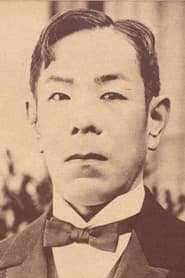
Matsunosuke Onoe
Actor
Born: September 12, 1875 in Okayama, Japan Died: September 11, 1926 Active: 1909-1926 Birth Name: Onoe Tatsugoro
Films
1 film
About Matsunosuke Onoe
Matsunosuke Onoe, born Onoe Tatsugoro, was Japan's first true film superstar and a pivotal figure in the development of Japanese cinema during the silent era. Originally a celebrated kabuki actor, he was discovered by director Shozo Makino in 1909 and transitioned to film, bringing his theatrical expertise to the new medium. Onoe became incredibly prolific, appearing in over 1,000 films between 1909 and his death in 1926, specializing in historical dramas (jidaigeki) and samurai roles that captivated Japanese audiences. His collaboration with Makino established many foundational techniques in Japanese cinema, and his star power helped legitimize film as a respectable art form in Japan. Despite his massive success, Onoe remained humble and continued to perform even as his health declined. His final film appearances were in 1921, including 'Jiraiya the Hero,' after which he retired due to illness. He died of stomach cancer on September 11, 1926, just one day before his 51st birthday, leaving behind an extraordinary legacy as the father of Japanese film acting.
The Craft
On Screen
Onoe's acting style was a unique fusion of traditional kabuki theater techniques and cinematic performance. He brought the exaggerated gestures, stylized movements, and dramatic expressions of kabuki to the screen, which was particularly effective in silent films where visual storytelling was paramount. His performances were characterized by powerful physical presence, dynamic sword fighting sequences, and the ability to convey complex emotions through facial expressions and body language. Despite the theatrical nature of his style, he adapted it well to the camera, creating a distinctive screen persona that would influence generations of Japanese actors.
Milestones
- Discovered by director Shozo Makino and made film debut in 1909
- Starred in over 1,000 films throughout his career
- Established the template for Japanese film acting
- Bridged traditional kabuki theater with modern cinema
- Created the archetype of the samurai hero in Japanese film
Best Known For
Iconic Roles
Must-See Films
Accolades
Special Recognition
- Recognized as Japan's first film star
- Honored as a pioneer of Japanese cinema
- Featured in Japanese film history retrospectives
- Subject of documentaries on early Japanese cinema
Working Relationships
Worked Often With
Studios
Why They Matter
Impact on Culture
Matsunosuke Onoe revolutionized Japanese cinema by bridging the gap between traditional theater and modern filmmaking. His success helped establish film as a legitimate art form in Japan, elevating it from mere entertainment to cultural significance. Onoe's portrayal of samurai heroes and historical figures created enduring archetypes that would define Japanese cinema for decades. His work coincided with and helped shape Japan's modernization process, providing cultural touchstones that connected contemporary audiences to their historical heritage. The popularity of his films also contributed to the growth of Japan's film industry, paving the way for future directors and actors.
Lasting Legacy
Onoe's legacy as Japan's first film superstar remains unparalleled in Japanese cinema history. He established the foundation for film acting in Japan, creating a template that blended traditional performance styles with cinematic techniques. His prolific output and consistent quality set standards for professionalism in the Japanese film industry. Many of the character types and story conventions he helped develop continue to appear in Japanese media today, from historical dramas to modern anime. Film historians credit him with establishing the star system in Japan and demonstrating the commercial potential of feature-length narrative films. His collaboration with Shozo Makino is often cited as the beginning of the Japanese studio system.
Who They Inspired
Onoe's influence extends far beyond his own era, affecting generations of Japanese performers and filmmakers. His acting style, while rooted in kabuki, demonstrated how traditional performance could be adapted for the camera, influencing actors like Toshiro Mifune and modern action stars. The samurai characters he portrayed established visual and narrative conventions that would define the jidaigeki genre for decades. His success showed that Japanese stories and performers could achieve mass popularity, encouraging the development of a distinctly Japanese cinema rather than simply imitating Western films. Contemporary directors still reference his work, and his films are studied as examples of early cinematic storytelling techniques.
Off Screen
Onoe was born into a family with theatrical traditions and began his career as a kabuki actor at a young age. He was married and had children, though specific details about his family life remain limited in historical records. Despite his immense fame, he was known for his humility and dedication to his craft. His health began to decline in the early 1920s, forcing him to retire from acting in 1921. He spent his final years away from the public eye before succumbing to stomach cancer at the age of 50.
Education
Trained in traditional kabuki theater from childhood, no formal Western education documented
Family
- Name not widely documented in historical records
Did You Know?
- Appeared in over 1,000 films, making him
- Was originally a kabuki actor before transitioning to film
- His stage name 'Matsunosuke' was adopted from a famous kabuki character
- Worked with director Shozo Makino to create Japan's first film star system
- Many of his films are now lost due to the deterioration of early film stock
- Was known for performing his own stunts, including complex sword fighting sequences
- His popularity helped establish Kyoto as a major center for Japanese film production
- Despite his fame, he remained humble and continued to live modestly
- His final film appearances were in 1921, five years before his death
- The character Jiraiya that he portrayed became a recurring figure in Japanese popular culture
In Their Own Words
The camera is but another stage, and the actor must adapt his performance to its unique demands.
In every role, I seek to honor the spirit of the character while touching the hearts of the audience.
Film has the power to preserve our stories for future generations, a responsibility I do not take lightly.
Frequently Asked Questions
Who was Matsunosuke Onoe?
Matsunosuke Onoe was Japan's first film superstar and an actor of the silent era. Originally a kabuki actor, he transitioned to film in 1909 and appeared in over 1,000 movies, establishing the foundation for Japanese film acting and helping legitimize cinema as an art form in Japan.
What films is Matsunosuke Onoe best known for?
Titles linked here include Jiraiya the Hero (1921), Chushingura (1910-1921 multiple versions).
When was Matsunosuke Onoe born and when did he die?
Born September 12, 1875; died September 11, 1926.
What awards did Matsunosuke Onoe win?
During his lifetime, formal film awards were not yet established in Japan. However, he is posthumously recognized as a pioneer of Japanese cinema and honored as the country's first film star. His legacy is celebrated through retrospectives and documentaries about early Japanese film.
What was Matsunosuke Onoe's acting style?
Onoe's acting style blended traditional kabuki theater techniques with cinematic performance. He used exaggerated gestures, dramatic expressions, and stylized movements adapted for the camera, creating a powerful visual presence that was particularly effective in silent films. His style established the template for Japanese film acting.