
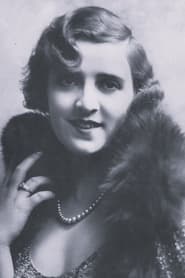
Maria Jacobini
Actor
Born: February 17, 1892 in Rome, Italy Died: November 20, 1944 Active: 1913-1930
Films
3 films
About Maria Jacobini
Prominent Italian silent film actress who rose to fame during the golden age of Italian cinema in the 1910s and 1920s. Born in Rome in 1892, she began her film career in the early 1910s and quickly became one of Italy's most celebrated screen actresses, known for her expressive performances and dramatic intensity. Jacobini worked extensively with director Carmine Gallone, with whom she had both professional and personal relationships, creating some of the most memorable Italian silent films of the era. Her career flourished throughout the 1910s, appearing in numerous dramatic films that showcased her ability to convey deep emotion through the subtle gestures and facial expressions required by silent cinema. She married director Amleto Palermi in 1925, though her career began to decline with the advent of sound films in the late 1920s. Jacobini made a few appearances in early sound films but gradually retired from acting as the film industry evolved. She spent her later years in Rome, where she died in 1944, leaving behind a legacy as one of Italy's film actresses who helped establish the dramatic conventions of silent cinema.
The Craft
On Screen
Maria Jacobini was known for her highly expressive and dramatic acting style typical of the silent era, characterized by intense facial expressions and exaggerated gestures that could convey complex emotions without dialogue. Her performances often featured a combination of vulnerability and strength, making her particularly effective in dramatic and romantic roles. Jacobini possessed a natural screen presence that allowed her to connect with audiences through subtle nuances in her expressions, a skill that set her apart from many of her contemporaries who relied more on theatrical gestures.
Milestones
- Breakthrough role in early Italian silent dramas (1913-1915)
- Collaboration with director Carmine Gallone on multiple successful films
- Leading actress in major Italian film productions throughout the 1910s
- Transition to sound films in the late 1920s
- Marriage to director Amleto Palermi in 1925
Best Known For
Iconic Roles
Must-See Films
Accolades
Special Recognition
- Recognized as one of Italy's silent film actresses
- Featured in Italian film history retrospectives
Working Relationships
Worked Often With
Studios
Why They Matter
Impact on Culture
Maria Jacobini played a significant role in establishing the dramatic conventions of Italian silent cinema, helping to define the emotional intensity and romantic drama that characterized many Italian films of the 1910s. Her work contributed to the international recognition of Italian cinema during its golden age, when Italian films competed successfully with those from other European countries and even Hollywood. Jacobini's performances exemplified the transition from theatrical acting styles to more film-appropriate techniques, influencing how dramatic expression was conveyed through the medium of silent film.
Lasting Legacy
Maria Jacobini's legacy endures as one of the important early figures in Italian cinema history, representing the era when Italian films dominated international markets. She is remembered in film history circles for her contributions to establishing the dramatic language of silent cinema and for being part of the generation of actors who helped legitimize film as an art form in Italy. Her collaborations with major directors of the period resulted in films that are now considered classics of the silent era, though many have unfortunately been lost to time.
Who They Inspired
Jacobini influenced subsequent generations of Italian actresses through her demonstration of how dramatic intensity could be conveyed through subtle screen performance rather than theatrical exaggeration. Her work with directors like Gallone helped establish working methods between actors and directors that would become standard in Italian cinema. The emotional depth she brought to her roles set a standard for dramatic performance in Italian film that would influence actresses throughout the sound era and beyond.
Off Screen
Maria Jacobini's personal life was closely intertwined with her professional career in the Italian film industry. She had a notable romantic relationship with director Carmine Gallone during their period of intense collaboration in the 1910s, which significantly influenced both their careers. In 1925, she married director Amleto Palermi, with whom she remained until her death. The marriage represented a union of two significant figures in Italian cinema, though Jacobini's career was already in decline by this time due to the transition to sound films. She spent her final years in Rome during the difficult period of World War II, passing away in 1944.
Family
- Amleto Palermi (1925-1944)
Did You Know?
- One of the first major Italian film stars to achieve international recognition
- Her career coincided with the peak of Italian film production before World War I
- Many of her silent films have been lost, making her complete filmography difficult to trace
- She was part of the generation that witnessed the transition from silent to sound cinema
- Jacobini worked during a period when Italian cinema was among the most innovative in the world
- Her marriage to Amleto Palermi connected two important figures in Italian film history
- She represented the sophisticated, dramatic heroine archetype popular in Italian cinema
- Jacobini's active years covered the entire silent era in Italian cinema
In Their Own Words
The eyes are the windows to the soul, especially in silent pictures where they must speak volumes
In cinema, as in life, the most powerful emotions are often those left unspoken
Frequently Asked Questions
Who was Maria Jacobini?
Prominent Italian silent film actress who rose to fame during the golden age of Italian cinema in the 1910s and 1920s. She was known for her dramatic performances and became one of Italy's most celebrated screen actresses during the silent era.
What films is Maria Jacobini best known for?
Titles linked here include Il bacio di Cirano (1913), La donna nuda (1914).
When was Maria Jacobini born and when did she die?
Born February 17, 1892; died November 20, 1944.
What awards did Maria Jacobini win?
During Maria Jacobini's era, formal acting awards were not yet established in the Italian film industry. Her recognition came through critical acclaim and popularity with audiences rather than official awards or nominations.
What was Maria Jacobini's acting style?
Jacobini was known for her highly expressive and dramatic acting style typical of the silent era, characterized by intense facial expressions and gestures. She excelled at conveying complex emotions through subtle nuances, making her particularly effective in dramatic and romantic roles.