
The Domestic Hearth
"Love blinds a young man at home"
Keys: Space play/pause · ←/→ 10s · F fullscreen · M mute · </> speed
About this film
Drama about a young man blinded by love.
Cast & crew
More films like this
More Drama films
View all →







More from Nino Oxilia
View all →



More about this film
About the production
Release date1914
ProductionFilm d'Arte Italiana
Filmed inTurin, Italy
Filmed during the golden age of Italian cinema, this production utilized the sophisticated studio facilities in Turin, which was then a major center of Italian filmmaking. The film was created just before World War I would dramatically alter European cinema production.
Themes
Themes & topics
Historical background
The Domestic Hearth appeared in 1914, when the silent era before Hollywood consolidated into a studio system shaped how movies were financed, distributed, and discussed. Audiences of the day encountered the work amid shifting tastes in acting, pacing, and spectacle. Its focus on drama about a young man blinded by love mirrors themes circulating in popular culture of that moment.
Why this film matters
The Domestic Hearth (1914) belongs to the wider archive of world cinema, documenting drama about a young man blinded by love.. Archivists and historians value such titles for what they reveal about craft, genre, and audience expectations. Restorations and festival screenings keep the work visible to viewers far beyond its first run.
Making of
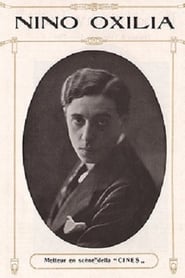
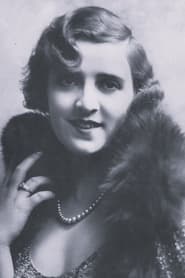
The production took place in Turin's thriving film studios, which were among the most advanced in Europe at the time. Director Nino Oxilia, known for his poetic approach to filmmaking, worked closely with his actors to achieve the subtle emotional expressions required for silent drama. The cast, particularly Maria Jacobini, was part of the emerging star system in Italian cinema, where actors began to be recognized by name and could draw audiences. The film was created during a period when Italian cinema was moving from simple theatrical adaptations to more sophisticated cinematic storytelling, with directors experimenting with camera angles, lighting, and editing techniques to enhance emotional impact.
What critics said
Press coverage from 1914 is fragmentary for many titles of this vintage; surviving notices for The Domestic Hearth tend to stress novelty, star power, or topical appeal. Later writing places the picture within its national and generic context, weighing both period conventions and moments that still land for modern viewers. Streaming and disc releases have revived discussion among classic-film audiences.
Did you know?
- Director Nino Oxilia was also a accomplished poet and playwright, bringing literary sensibility to his films
- The film was produced during Italy's cinema boom when the country was second only to France in European film production
- 1914 was a pivotal year for Italian cinema, just before the industry would be disrupted by World War I
- Maria Jacobini, one of the stars, would become one of Italy's most celebrated silent film actresses
- The film's title reflects the period's fascination with domestic melodramas and family-centered narratives
- Nino Oxilia died tragically young in World War I in 1917, making his filmography particularly brief and precious
- Italian films of this era were known for their elaborate sets and sophisticated visual storytelling
- The film was likely shot on 35mm film, standard for the period
- Silent Italian dramas of this period often featured complex emotional narratives exploring love and sacrifice
Visual style
The film would have utilized the sophisticated cinematography techniques being developed in Italian studios circa 1914. Italian cinematographers of this period were known for their artistic use of lighting to create mood and emphasize emotional states. The visual style likely included carefully composed shots that took advantage of the elaborate sets typical of Italian productions. Camera movement would have been limited by the technology of the time, but directors were beginning to experiment with different angles and perspectives to enhance storytelling. The black and white photography would have used contrast and shadow to underscore the film's dramatic themes.
Innovations
While specific technical details about this film are lost, it would have benefited from the advanced studio facilities available in Turin in 1914. Italian filmmakers of this period were pioneers in lighting techniques and set design, creating visually sophisticated productions. The film likely utilized the latest camera and film stock technology available, though these would seem primitive by modern standards. The production may have experimented with editing techniques to enhance emotional impact, as Italian directors were among the first to recognize editing's potential for storytelling beyond simple continuity.
Music
As a silent film, 'The Domestic Hearth' would have been accompanied by live musical performance during its original theatrical run. The typical Italian cinema of 1914 employed either a piano or small orchestra to provide musical accompaniment, with selections often drawn from classical repertoire or specially composed pieces. The music would have been carefully chosen to enhance the emotional impact of key scenes, particularly the dramatic moments depicting the protagonist's descent into obsessive love. The score would have followed the established conventions of silent film accompaniment, with romantic themes for love scenes and more dramatic music for moments of conflict or tragedy.
Famous quotes
Love, when it blinds, leads not to light but to darkness
The hearth that warms can also consume when love burns too hot
Memorable scenes
- The protagonist's final realization of his destructive obsession, likely portrayed through the subtle facial expressions characteristic of silent era acting
What audiences thought
Audiences in 1914 Italy were particularly receptive to melodramatic stories exploring love and family dynamics, themes that resonated strongly with contemporary social concerns. The film's emotional intensity and focus on domestic issues would have appealed to the growing middle-class cinema audience of the period. Italian audiences of this era were sophisticated film viewers, accustomed to both domestic productions and imported films, and they appreciated technical quality and emotional authenticity in storytelling.
Film connections
Influenced by
- Italian theatrical melodrama tradition
- 19th century romantic literature
- Contemporary European art cinema
- Verismo opera tradition
Film restoration
The film is considered lost or partially lost, as is common with the vast majority of Italian silent films from this period. Many Italian films from 1914 were destroyed during World War II or have deteriorated due to the unstable nature of early film stock. Archives such as the Cineteca Nazionale in Rome and the Museo Nazionale del Cinema in Turin continue to search for surviving fragments of films from this era.
Where to watch
- No known viewing sources available due to the film's lost status. Film archives and specialized silent film collections may hold fragments or stills from the production.