
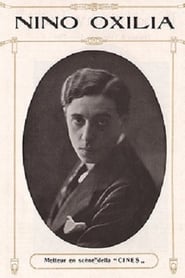
Nino Oxilia
Director
Born: November 13, 1889 in Turin, Italy Died: November 18, 1917 Active: 1913-1917 Birth Name: Antonio Oxilia
Films
6 films


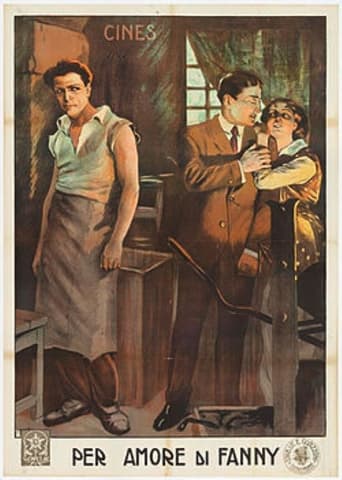
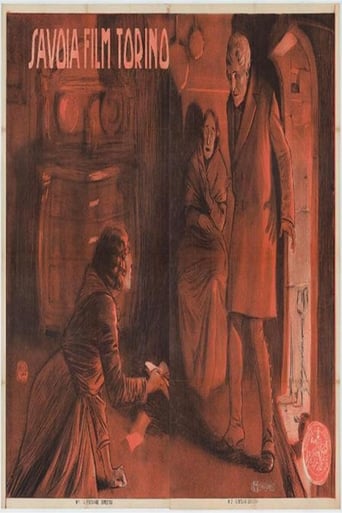
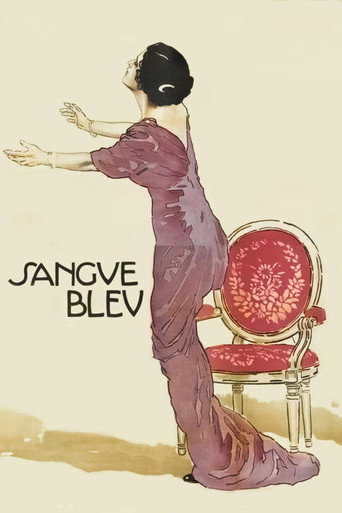
About Nino Oxilia
Nino Oxilia (born Antonio Oxilia) was an Italian film director, screenwriter, and poet who emerged during the golden age of Italian silent cinema. After beginning his career as a writer and journalist, Oxilia transitioned to filmmaking in the early 1910s, quickly establishing himself as a visionary director with a distinctive poetic sensibility. His most acclaimed work, 'Satan's Rhapsody' (1917), starring the diva Lyda Borelli, is considered a masterpiece of early Italian cinema and exemplifies his mastery of visual storytelling and psychological drama. Oxilia's films were characterized by their sophisticated visual compositions, innovative use of lighting and shadow, and deep exploration of human emotions and moral conflicts. His career was tragically cut short when he volunteered for military service in World War I and was killed in action in 1917 at the age of 28, leaving behind a small but influential body of work that continues to be studied by film historians. Despite his brief five-year career, Oxilia's contributions to cinematic language and narrative techniques significantly influenced the development of Italian cinema and international film art.
The Craft
Behind the Camera
Oxilia's directing style was characterized by its poetic lyricism, sophisticated visual compositions, and deep psychological insight. He employed innovative techniques such as dramatic lighting contrasts, symbolic imagery, and carefully choreographed movement to convey complex emotional states. His films often explored themes of temptation, redemption, and the conflict between passion and morality, using visual metaphors and atmospheric settings to create a dreamlike, almost expressionistic quality that was ahead of its time in Italian cinema.
Milestones
- Directed 'Satan's Rhapsody' (1917), considered his masterpiece
- Pioneered psychological drama in Italian silent cinema
- Collaborated with legendary actress Lyda Borelli
- Developed innovative visual techniques for emotional storytelling
- Bridged literary and cinematic arts through his poetic approach
- Died heroically in World War I at the height of his creative powers
Best Known For
Must-See Films
Accolades
Special Recognition
- Posthumously recognized as a pioneer of Italian cinema
- Films preserved in the Cineteca Nazionale archives
- Subject of academic studies in early film history
Working Relationships
Worked Often With
Studios
Why They Matter
Impact on Culture
Nino Oxilia played a crucial role in elevating Italian cinema from simple entertainment to a sophisticated art form during the silent era. His films, particularly 'Satan's Rhapsody,' demonstrated that cinema could explore complex psychological themes and moral dilemmas with the depth previously reserved for literature and theater. Oxilia's innovative visual techniques and poetic approach to storytelling influenced subsequent generations of Italian directors, contributing to the development of a distinctly Italian cinematic aesthetic. His work helped establish Italy as a major force in international cinema during the 1910s, competing with French and American productions in artistic ambition and technical achievement.
Lasting Legacy
Despite his tragically brief career, Nino Oxilia's legacy endures through his surviving films, which continue to be studied and admired by film scholars and enthusiasts. 'Satan's Rhapsody' remains. Oxilia is remembered as a visionary artist who understood cinema's potential as a medium for poetic expression and psychological exploration. His influence can be seen in the work of later Italian directors who similarly blended visual beauty with emotional depth. The preservation and restoration of his films have ensured that future generations can appreciate his contributions to cinematic art, cementing his place in film history as one of Italy's earliest cinematic auteurs.
Who They Inspired
Oxilia's innovative approach to visual storytelling and psychological drama influenced the development of Italian cinema in the decades following his death. His use of lighting, composition, and symbolic imagery prefigured the expressionist tendencies that would emerge in European cinema during the 1920s. Later Italian directors, particularly those working in the melodramatic tradition, drew inspiration from Oxilia's ability to convey complex emotions through visual means. His collaboration with diva actresses like Lyda Borelli helped establish the star system in Italian cinema and influenced the way actresses were portrayed and directed in subsequent Italian films.
Off Screen
Nino Oxilia was born into a cultured middle-class family in Turin and showed early literary and artistic talents. He was deeply influenced by the Symbolist and Decadent literary movements, which shaped his artistic vision. Before entering cinema, he worked as a journalist and published poetry, demonstrating his multifaceted artistic abilities. His personal life was marked by his passionate dedication to art and his patriotic sense of duty, which ultimately led him to volunteer for military service in World War I despite his burgeoning film career. He never married and had no known children, dedicating his short life entirely to his artistic pursuits and ultimately to his country.
Education
Educated in Turin, studied literature and the arts, was involved in literary circles before entering cinema
Did You Know?
- His real first name was Antonio, but he used 'Nino' professionally
- He volunteered for military service in World War I despite being at the peak of his film career
- His masterpiece 'Satan's Rhapsody' was one of the last films he completed before his death
- He was also a published poet before entering the film industry
- Died just five days after his 28th birthday in combat
- His films were among the first to explore psychological depth in Italian cinema
- Collaborated multiple times with legendary silent film star Lyda Borelli
- His directing style was influenced by Symbolist and Decadent literary movements
- Several of his films have been preserved and restored by Italian film archives
- His active years covered only five years but produced some of the most significant works of early Italian cinema
In Their Own Words
Cinema must be poetry in motion, not merely recorded reality
The camera should capture not what the eye sees, but what the soul feels
True art in film lies in the ability to show the invisible through the visible
Frequently Asked Questions
Who was Nino Oxilia?
Influential Italian on YTB.my. He is best known for his masterpiece 'Satan's Rhapsody' and his contributions to early Italian cinema before his tragic death in World War I.
What films is Nino Oxilia best known for?
Titles linked here include Satan's Rhapsody (1917), By the Cross (1913).
When was Nino Oxilia born and when did he die?
Born November 13, 1889; died November 18, 1917.
What awards did Nino Oxilia win?
During his lifetime, Nino Oxilia did not receive formal awards as the film industry's award systems were not yet established. However, he has been posthumously recognized as a pioneer of Italian cinema, and his films are preserved in national archives as important cultural works.
What was Nino Oxilia's directing style?
Oxilia's directing style was characterized by poetic lyricism, sophisticated visual compositions, and deep psychological insight. He employed innovative lighting techniques, symbolic imagery, and atmospheric settings to create dreamlike, expressionistic qualities that explored complex emotional and moral themes.