

Keys: Space play/pause · ←/→ 10s · F fullscreen · M mute · </> speed
Plot
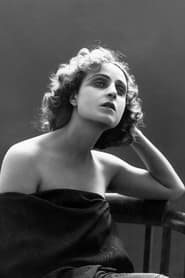
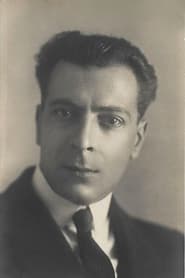
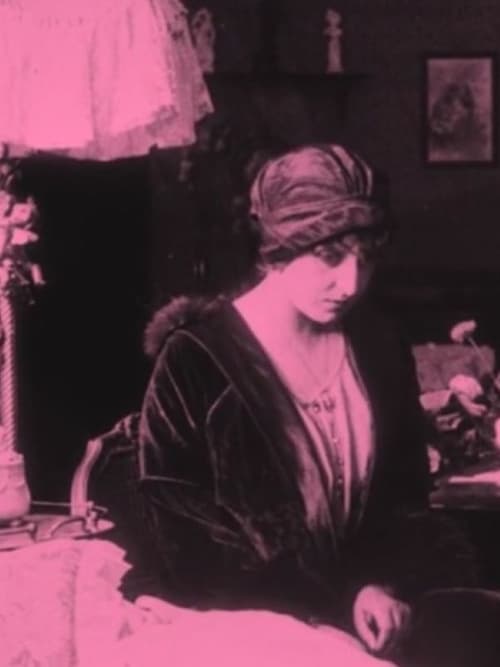
In this 1915 Italian romantic comedy, a young and vibrant woman played by Pina Menichelli finds herself at the center of attention for two prominent Italian actors. The story revolves around a wealthy playboy father who, after years of neglecting his son, attempts to reconnect with family life and domestic happiness. Meanwhile, Amleto Novelli portrays a good-hearted rustic character who represents a simpler, more authentic way of life. As Menichelli's character navigates between these two men, she symbolically chooses between two different lifestyles - the sophisticated urban world and the honest provincial existence. The film explores themes of redemption, family reconciliation, and the search for genuine human connection in a rapidly changing society.
About the Production
Release Date 1915
Production Film d'Arte Italiana
Filmed In Italy
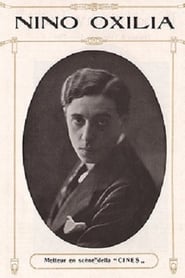
The film was based on an unpublished comedy that had not been released in Italy at the time of production. Director Nino Oxilia, who was also a poet and playwright, brought his literary sensibilities to this romantic comedy. The production was notable for giving Pina Menichelli a role that showcased her natural acting abilities, contrasting with her later more decadent and stylized performances. The bicycle scenes featuring Menichelli were particularly innovative for the time, showing modern technology and women's freedom of movement.
More Romance Films
View all →



More from Nino Oxilia
View all →

Themes & Topics
playboy fatherneglected sonfamily reconciliationbicycleromantic trianglerustic lifeurban sophisticationyoung womantwo menlifestyle choice
Historical Background
'Papà' was produced in 1915, a critical year in European history as World War I was escalating across the continent. Italian cinema was experiencing what many consider its golden age, with films achieving international recognition and commercial success. The period saw Italian filmmakers moving away from the grand historical epics that had dominated the early 1910s toward more contemporary stories dealing with modern social issues. The film's themes of family reconciliation and the contrast between urban and rural values reflected the real social tensions in Italy as the country underwent rapid industrialization and modernization. The bicycle symbolism in the film was particularly relevant, as bicycles represented both technological progress and changing social norms, especially regarding women's mobility and independence. The movie was made just before Italy entered World War I in May 1915, an event that would dramatically alter the country's film industry for years to come.
Why This Film Matters
This film holds cultural significance as it represents an important transitional moment in Italian cinema and showcases Pina Menichelli before she became an iconic diva figure. The movie's exploration of generational conflict and family reconciliation tapped into universal themes that resonated with audiences of the time. The film's portrayal of a young woman with agency and mobility (symbolized by her bicycle) reflected changing attitudes toward women's roles in Italian society. As an early example of Italian romantic comedy, it helped establish genre conventions that would influence subsequent Italian filmmakers. The contrast between urban sophistication and rural authenticity in the narrative mirrored real cultural debates in Italy about national identity and modernization. The film also demonstrates how Italian cinema was beginning to move away from the spectacle-driven epics toward more character-driven stories that explored contemporary social realities.
Making Of
The production of 'Papà' took place during a pivotal moment in Italian cinema history, when the industry was transitioning from historical epics to more intimate contemporary stories. Director Nino Oxilia, who had a background in literature and poetry, approached the material with a sensitivity that allowed the actors to explore more naturalistic performances. Pina Menichelli, who would later become famous for her exotic and decadent roles, was given the opportunity to display a more natural acting style that surprised contemporary audiences. The casting of Amleto Novelli in the role of the rustic son created some challenges, as the actor was considered too mature for the part, requiring makeup and performance adjustments to appear younger. The bicycle sequences featuring Menichelli were technically innovative for the time and required careful planning to execute safely. The film's production coincided with the early stages of World War I, which would soon dramatically impact European film production and distribution.
What Critics Said
Contemporary critics noted the film's refreshing departure from the grand historical epics that had dominated Italian cinema, praising its intimate focus on family dynamics and contemporary life. Pina Menichelli's performance was particularly highlighted, with many reviewers commenting on her natural acting style that contrasted with the more theatrical performances common in silent cinema. Some critics felt that Amleto Novelli was miscast as the rustic son due to his age, though many acknowledged his professional attempt to adapt to the role. The film's light comedic tone was seen as a welcome change during the tense early months of World War I. Modern film historians view 'Papà' as an important transitional work that shows the evolution of Italian cinema toward more realistic storytelling and the emergence of Menichelli as a major talent before her transformation into the iconic diva figure she would become in later films.
Did You Know?
- This film represents one of Pina Menichelli's early roles before she became known as the 'diva' of Italian cinema for her decadent and mysterious characters
- Director Nino Oxilia was also a respected poet and playwright, bringing literary depth to his film work
- The film was based on an unpublished comedy that had not been previously released in Italy
- Amleto Novelli was considered miscast by some as he was reportedly too old for the rustic son role, requiring him to appear ten years younger
- The bicycle scenes with Pina Menichelli were progressive for 1915, symbolizing women's emerging independence
- This film was made during the golden age of Italian cinema, just before World War I would disrupt European film production
- The contrast between urban sophistication and rural simplicity reflected real social tensions in Italy during this period
- Menichelli's natural performance in this film surprised audiences who knew her only from her later stylized roles
- The film's title 'Papà' (Father) refers to the central theme of paternal redemption and family reconciliation
More film details Visual style, music, quotes, restoration, and more
Visual Style
The cinematography of 'Papà' employed the techniques common to Italian cinema of 1915, with careful attention to composition and lighting that enhanced the emotional impact of key scenes. The film likely used natural lighting for outdoor sequences, particularly the bicycle scenes featuring Pina Menichelli, creating a sense of authenticity and connection to the contemporary Italian landscape. Interior scenes would have utilized the dramatic lighting techniques popular in Italian cinema, with careful use of shadows to create emotional depth. The camera work was probably static for most scenes, as was typical of the period, but may have included some innovative movement during the bicycle sequences. The visual contrast between urban and rural settings would have been emphasized through set design and location shooting, reinforcing the film's thematic concerns. The cinematography supported the more naturalistic acting style, avoiding the overly dramatic visual flourishes common in earlier Italian epics.
Innovations
While 'Papà' may not have introduced groundbreaking technical innovations, it demonstrated the maturation of Italian film craftsmanship in 1915. The film's use of location shooting for the bicycle sequences showed an increasing confidence in moving beyond studio-bound productions. The technical execution of scenes involving bicycles required careful planning and coordination, representing a modest but meaningful advancement in action cinematography for the period. The film's editing likely employed the continuity techniques that were becoming standard in European cinema, helping to create a smooth narrative flow. The production design effectively distinguished between urban and rural environments through set construction and location choices, supporting the film's thematic concerns. The lighting techniques used for interior scenes probably incorporated the more sophisticated approaches being developed in Italian cinema, moving beyond the flat lighting of earlier films toward more dramatic and atmospheric effects.
Music
As a silent film from 1915, 'Papà' would have been accompanied by live musical performance during its theatrical exhibition. The original score would likely have been compiled from popular classical pieces and theater music, adapted to match the mood of different scenes. Romantic moments would have been accompanied by lyrical melodies, while comedic scenes would have featured lighter, more playful music. The bicycle sequences might have been scored with lively, rhythmic music to emphasize the sense of freedom and movement. The emotional reconciliation scenes between father and son would have been underscored with poignant, dramatic music. The specific musical selections would have varied by theater, as individual cinema musicians often made their own choices based on the film's content and their personal repertoire. The absence of recorded sound meant that the visual storytelling and musical accompaniment worked together to create the complete emotional experience for audiences.
Famous Quotes
A father's love knows no age, only the need to reconnect before it's too late
Between two hearts lies not just a choice of men, but a choice of life itself
Sometimes the longest journey is not across distance, but across the years that separate us
Memorable Scenes
- Pina Menichelli gracefully riding her bicycle through the Italian countryside, symbolizing freedom and modern womanhood as she navigates between the two men representing different lifestyles and values
What Audiences Thought
Audiences in 1915 responded positively to the film's contemporary setting and relatable family themes, finding a welcome contrast to the historical epics that had dominated Italian screens. Pina Menichelli's performance, particularly her bicycle scenes, created a sensation among viewers who were captivated by her natural charm and modern sensibility. The father-son reconciliation storyline resonated strongly with Italian audiences at a time when traditional family values were being challenged by modernization and the impending war. The romantic elements and light comedic tone provided welcome entertainment during the increasingly tense political atmosphere of 1915. While the film may not have achieved the blockbuster status of some Italian epics of the era, it developed a strong following among audiences who appreciated its more intimate and realistic approach to storytelling.
Film Connections
Influenced By
- Contemporary Italian theater
- Commedia dell'arte traditions
- French romantic comedies
- Italian literary realism
- Early Hollywood romantic comedies
This Film Influenced
- Later Italian romantic comedies
- Pina Menichelli's subsequent films
- Italian films exploring family themes
- European films featuring independent female characters
Film Restoration
This 1915 Italian silent film is considered partially lost or significantly incomplete, as is common with films from this era. Some fragments or sequences may exist in film archives such as the Cineteca Nazionale in Rome or other European film institutions, but a complete version is unlikely to survive. The nitrate film stock used during this period was highly volatile and prone to deterioration, and many Italian films from the World War I era were lost due to neglect, destruction, or the chemical decomposition of the original materials. Any existing fragments would be valuable for understanding the early career of Pina Menichelli and the development of Italian cinema before the war.
Where to Watch
- Due to its preservation status, 'Papà' (1915) is not commercially available on any streaming platforms or home video formats. Film enthusiasts may be able to view surviving fragments at specialized film archives such as the Cineteca Nazionale in Rome, the Cineteca di Bologna, or other European film institutions that maintain collections of early Italian cinema. Academic researchers might access materials through university film departments or special collections. Occasionally, fragments may be screened at specialized film festivals or retrospectives dedicated to early Italian cinema or the work of Pina Menichelli.