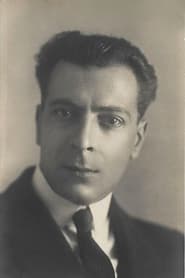
Amleto Novelli
Actor
Born: October 12, 1881 in Bologna, Italy Died: April 16, 1919 Active: 1910-1919
Films
11 films


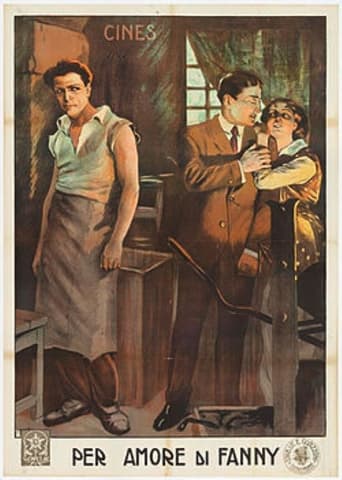
About Amleto Novelli
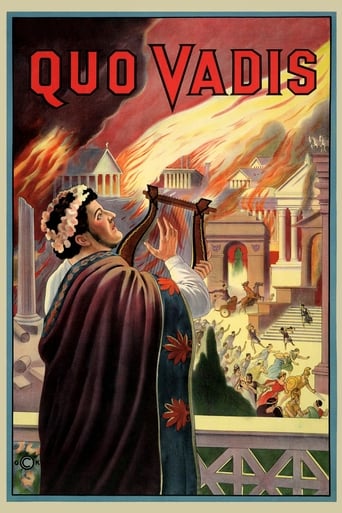
Italian silent film actor who rose to prominence during the golden age of Italian cinema in the early 1910s. He began his film career in 1910 and quickly became one of Italy's leading male stars — known for his commanding presence and ability to portray historical and mythological figures with gravitas. Novelli worked primarily with Italy's major film studios of the era, appearing in numerous historical epics that showcased Italian cinema's technical and artistic ambitions. His performances in films like 'Quo Vadis?' (1913) and 'Marc Antony and Cleopatra' (1913) established him as a versatile leading man capable of handling both romantic and dramatic roles. Throughout his career, he collaborated with prominent directors of the Italian silent era, including Enrico Guazzoni and Mario Caserini. Novelli's career was tragically cut short when he died in 1919 at the height of his fame, leaving behind a legacy as one of early Italian cinema's most leading men. His work helped establish the template for the historical epic genre that would influence filmmakers worldwide for decades.
The Craft
On Screen
Novelli's acting style was characteristic of the silent era, featuring exaggerated gestures and dramatic facial expressions to convey emotion without dialogue. He possessed a commanding screen presence and theatrical gravitas that made him ideal for portraying historical figures and epic heroes. His performances were marked by intense physicality and expressive eyes that could convey complex emotions, a skill essential for silent film actors. Novelli was particularly adept at portraying noble, tragic characters with a sense of dignity and romantic intensity.
Milestones
- Starred in 'Quo Vadis?' (1913), one of the first epic films
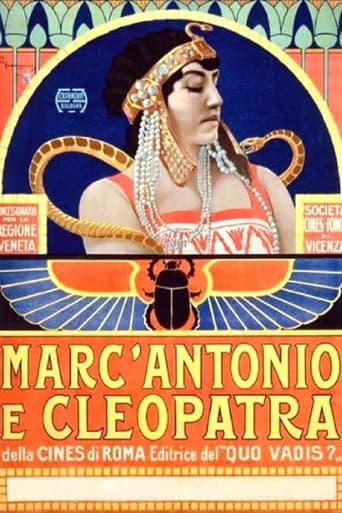
- Played Marc Antony in 'Marc Antony and Cleopatra' (1913)
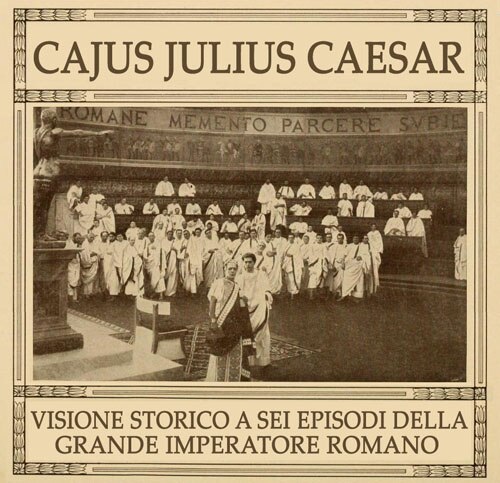
- Leading role in 'Cajus Julius Caesar' (1914)
- Starred in Enrico Guazzoni's historical epics
- Became one of Italy's highest-paid actors by 1915
Best Known For
Iconic Roles
Must-See Films
Accolades
Special Recognition
- Recognized as one of Italy's film actors
- Posthumously celebrated in Italian film history retrospectives
Working Relationships
Worked Often With
Studios
Why They Matter
Impact on Culture
Amleto Novelli played a significant role in establishing Italian cinema as a major force in the early film industry. His work in historical epics helped define the genre and demonstrated cinema's potential for grand, ambitious storytelling. These films were among the first to prove that movies could tackle complex historical narratives with the gravitas previously reserved for theater and opera. Novelli's performances helped establish the archetype of the romantic, tragic hero in silent cinema, influencing how historical figures would be portrayed in film for decades. His success contributed to Italy's brief dominance in international cinema before World War I, with his films being exported worldwide and inspiring similar productions in other countries.
Lasting Legacy
Novelli's legacy endures as one of the figures of Italian cinema and the historical epic genre. Though many of his films have been lost to time, surviving works like 'Quo Vadis?' continue to be studied by film historians as examples of early cinematic ambition and artistry. He helped establish the template for the historical epic that would later be perfected by Hollywood directors like Cecil B. DeMille. Novelli represents the transition from theatrical acting traditions to the development of film-specific performance techniques. His career, though brief, coincided with what many consider the golden age of Italian silent cinema, and his work remains an important part of film history.
Who They Inspired
Novelli's dramatic style and commanding presence influenced subsequent generations of actors specializing in historical and epic roles. His work in Italian epics helped establish visual and performance conventions for historical films that would be adopted by international cinema. The success of his films demonstrated the commercial viability of large-scale historical productions, encouraging studios worldwide to invest in similar projects. His portrayal of historical figures like Marc Antony and Julius Caesar set standards for how these characters would be interpreted on screen for years to come.
Off Screen
Little detailed information is available about Novelli's personal life, which was not extensively documented during the early silent film era. He was known to be dedicated to his craft and maintained a professional reputation throughout his career. His sudden death at age 37 cut short what promised to be a long and influential career in cinema.
Education
Limited information exists about his formal education, though he likely had theatrical training before entering films, as was common for actors of his era.
Did You Know?
- One of the first true movie stars in Italian cinema
- His death in 1919 coincided with the decline of Italian film's golden age
- Many of his films are now considered lost, a common fate for early cinema
- Worked during a period when Italian films dominated the international market
- His 'Quo Vadis?' was one of the first films to run over two hours
- The historical epics he starred in featured thousands of extras and elaborate sets
- His salary was among the highest for actors in Europe during his peak years
- He often performed his own stunts in action sequences
- His films were among the first to use innovative camera techniques for epic scenes
- His death was widely mourned in Italian newspapers, reflecting his celebrity status
In Their Own Words
While specific quotes from Novelli are rare due to the silent era, his performances were described by contemporary critics as 'electrifying' and 'monumental'
Frequently Asked Questions
Who was Amleto Novelli?
Prominent Italian silent film with credits in this catalog. He was one of Italy's first movie stars, known for his commanding presence in films like 'Quo Vadis?' and 'Marc Antony and Cleopatra.' His active years covered from 1910 until his untimely death in 1919.
What films is Amleto Novelli best known for?
Titles linked here include Quo Vadis? (1913), Marc Antony and Cleopatra (1913).
When was Amleto Novelli born and when did he die?
Born October 12, 1881; died April 16, 1919.
What awards did Amleto Novelli win?
Formal film awards were not established during Novelli's era, so he received no official accolades. However, he was recognized as one of Italy's most important early film actors and commanded some of the highest salaries in European cinema during his peak years.
What was Amleto Novelli's acting style?
Novelli's acting style was characteristic of the silent film era, featuring dramatic gestures, intense facial expressions, and a commanding physical presence. He specialized in portraying historical and mythological figures with theatrical gravitas, using expressive eyes and body language to convey complex emotions without dialogue.