Christus
"Three mysteries of the life of Christ"
Keys: Space play/pause · ←/→ 10s · F fullscreen · M mute · </> speed
About this film
Giuseppe Antamoro's Christus mounts the life of Jesus in three grand Mysteries—Nativity and flight into Egypt, the Temple and entry into Jerusalem, then Passion, death, and Resurrection—using elaborate Italian sets and otherworldly visual effects for each biblical episode.
Cast & crew
More films like this
More Drama films
View all →







More from Giulio Antamoro
View all →
More about this film
About the production
Release dateFebruary 1916 (Italy)
Box officeNo specific records available, but reported to have been successful internationally
ProductionFilm d'Arte Italiana, Cines
Filmed inRome, Italy, Studio locations in Turin
The film employed thousands of extras and featured elaborate sets including full-scale reconstructions of Jerusalem and the Temple. The production used innovative special effects techniques including multiple exposures, matte paintings, and early optical effects to create supernatural phenomena. The crucifixion scene was filmed on an elevated platform with careful attention to historical detail. The production took over a year to complete due to its ambitious scope and complex staging requirements.
Themes
Redemption and SacrificeDivine vs. Earthly AuthorityFaith and MiraclesSuffering and TranscendenceProphecy and Fulfillment
Themes & topics
Life of ChristBiblical EpicResurrectionCrucifixionMiraclesMagiMary MagdalenePassion PlayReligious DramaAncient JerusalemDivine InterventionSpiritual Journey
Historical background
Contemporary records classify Christus (1916) as 1916 film by giulio antamoro, placing it within the silent era before feature-length dominance.
Why this film matters
Christus (1916) helps trace genre evolution, performer careers, and the material conditions of silent exhibition.
Making of
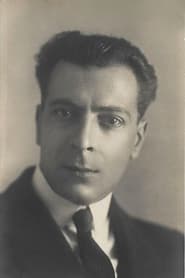
The production of 'Christus' was a monumental undertaking that reflected the peak of Italian cinema's golden age. Director Giulio Antamoro, a specialist in religious subjects, insisted on historical accuracy and consulted with religious scholars throughout production. The casting of Alberto Pasquali as Christ was controversial at the time, as some critics felt his matinee idol looks were inappropriate for the role, though his performance ultimately won praise. The special effects team, led by pioneering cinematographer Giovanni Vitrotti, developed new techniques for depicting supernatural events, particularly the resurrection sequence which required multiple exposures and careful timing. The crucifixion scene was filmed during winter months to achieve the appropriate lighting conditions, with Pasquali required to remain on the cross for extended periods. The production faced challenges from religious authorities who demanded changes to certain scenes, though most of Antamoro's vision remained intact. The film's elaborate sets were so impressive that they were preserved and reused in subsequent productions for several years.
What critics said
Where contemporary reviews survive, Christus is discussed in terms of audience appeal at release; later criticism often reframes it through archive restoration and festival programming.
Did you know?
- The film was especially ambitious religious epics of the silent era, rivaling contemporary American productions like D.W. Griffith's 'Intolerance'
- Director Giulio Antamoro was known for his religious films and had previously directed 'The Martyrdom of Saint Sebastian' (1911)
- The film's special effects for the resurrection scene were considered revolutionary for their time, using a combination of double exposure and careful editing
- Alberto Pasquali, who played Jesus, was one of Italy's most popular leading actors of the 1910s but died young in 1919
- The film was distributed internationally under different titles: 'Christus' in most countries, 'The Life of Christ' in English-speaking markets
- Original Italian intertitles were written in a poetic, elevated style to match the sacred subject matter
- The film was banned in some countries for religious reasons, while being promoted by religious organizations in others
- Some scenes were filmed using actual locations in Rome's ancient ruins to enhance authenticity
- The production employed over 5,000 extras throughout filming, particularly for the Jerusalem sequences
- The film's success led to a wave of Italian religious epics in the late 1910s
Awards & recognition
- Special Jury Prize - International Film Exhibition, Milan 1916
Visual style
The cinematography of 'Christus' was groundbreaking for its time, utilizing advanced techniques to create both epic scale and intimate spiritual moments. Chief cinematographer Giovanni Vitrotti employed innovative lighting techniques to create dramatic contrasts between the divine and earthly realms. The film made extensive use of location shooting combined with studio work, creating a seamless visual narrative. The crucifixion sequence was filmed using dramatic low angles to emphasize the suffering and sacrifice, while the resurrection employed revolutionary special effects including multiple exposures and careful editing. The use of color tinting was particularly sophisticated, with different scenes bathed in appropriate hues - golden tones for divine appearances, blue for night scenes, and red for the passion sequences. The film's visual language influenced how biblical stories would be photographed for decades, establishing conventions for representing spiritual events on film.
Innovations
'Christus' featured numerous technical innovations that advanced the art of cinema. The special effects department, led by Segundo de Chomón's protégés, developed new techniques for depicting supernatural events, particularly the resurrection which used a combination of double exposure, matte paintings, and carefully timed dissolves. The film's production design included some of the largest sets ever constructed in Italian cinema up to that time, including a full-scale reconstruction of the Temple in Jerusalem. The camera work included innovative tracking shots and crane movements that were technically difficult but achieved spectacular visual results. The film also experimented with early color tinting techniques, using different color schemes to enhance emotional and spiritual content. The editing techniques, particularly in the cross-cutting between earthly and divine events, were sophisticated for the period and influenced subsequent religious epics.
Music
As a silent film, 'Christus' was originally accompanied by live musical performances that varied by theater and location. The production company provided a detailed musical cue sheet suggesting appropriate classical pieces for each scene, including works by Bach, Handel, and Wagner. In major cities, the film was often accompanied by full orchestras performing specially commissioned scores. In smaller venues, piano or organ accompaniment was standard. The musical direction emphasized the contrast between earthly and divine elements, using grand orchestral pieces for epic scenes and more intimate melodies for personal moments. Some theaters reportedly used choirs for the resurrection sequence to enhance the spiritual impact. The original Italian cue sheet has been preserved and used for modern screenings of restored versions of the film.
Famous quotes
'Behold, the King of the Jews!' - Pontius Pilate (intertitle during crucifixion scene)
'He is risen!' - Angel at the tomb (intertitle during resurrection sequence)
'Suffer the little children to come unto me' - Jesus (intertitle during temple teaching scene)
'It is finished' - Jesus (intertitle during crucifixion)
'Father, forgive them, for they know not what they do' - Jesus (intertitle from the cross)
Memorable scenes
- The spectacular resurrection sequence where Jesus rises from the tomb surrounded by divine light and angels, achieved through revolutionary special effects
- The dramatic expulsion of merchants from the Temple, featuring hundreds of extras and elaborate choreography
- The arrival of the Magi, filmed with elaborate costumes and exotic animals creating a visually stunning procession
- The crucifixion scene, filmed with meticulous attention to historical detail and emotional power
- The flight into Egypt, featuring beautiful landscape photography and tender family moments
What audiences thought
The film was enormously popular with audiences across Europe and in international markets. Italian theaters reported packed houses for weeks, with many viewers attending multiple screenings. Religious organizations both praised and criticized the film - some Catholic groups endorsed it as a valuable tool for religious education, while more conservative elements questioned the appropriateness of depicting sacred events on screen. In countries with strong Catholic populations like Spain, Portugal, and Poland, the film broke box office records. American audiences, though less familiar with Italian cinema, responded positively to the spectacle and emotional power of the production. The film's success led to repeat viewings by many audience members, particularly those who appreciated its spiritual themes and visual beauty. Despite the wartime conditions, the film managed to achieve distribution in neutral countries and even reached some enemy territories through neutral distributors.
Film connections
Influenced by
- From the Manger to the Cross (1912)
- The Life and Passion of Jesus Christ (1905)
- The Last Days of Pompeii (1913)
- Cabiria (1914)
- Quo Vadis (1913)
This film influenced
- The King of Kings (1927)
- The Passion of Joan of Arc (1928)
- Ben-Hur (1925)
- The Ten Commandments (1923)
- The Gospel According to St. Matthew (1964)
Film restoration
The film exists in various archives around the world, with complete versions held at the Cineteca Nazionale in Rome and the Cinémathèque Française in Paris. Several incomplete prints exist in other collections. A restored version was completed in 2015 by the Cineteca di Bologna, combining elements from different surviving prints. The restoration included digital stabilization, color tinting based on original specifications, and reconstruction of missing intertitles. Some scenes remain incomplete or exist only in poor quality due to the degradation of original nitrate prints.
Where to watch
- Available on DVD from European specialty distributors
- Streaming on MUBI with English subtitles
- Available for viewing at film archives and cinematheques
- Occasionally screened at classic film festivals and special events
- Digital version accessible through some university film studies programs