Films
1 film
About Amalia Cataneo
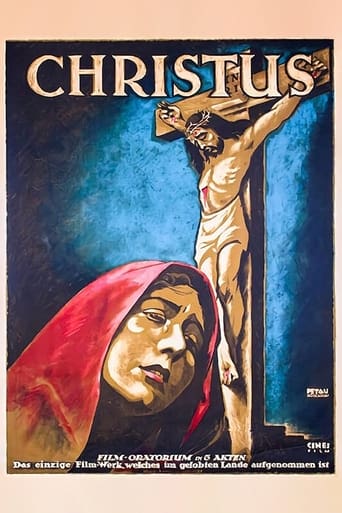
This archive lists one role for Amalia Cataneo: Christus (1916). ' This film was a significant Italian production depicting the life of Jesus Christ, which was typical of the grand historical and religious spectacles that Italian cinema was producing during this period. As an actress in 1916, Cataneo would have been part of the transitional generation between early cinema pioneers and the more established silent film stars of the 1920s. Her appearance in 'Christus' suggests she was likely cast in a supporting role, possibly as one of the biblical characters surrounding the main narrative. The film itself was directed by Giulio Antamoro and was part of Italy's contribution to early religious cinema, a genre that was particularly popular in the country during the silent era. Unfortunately, like many actors from this period, particularly those in supporting roles, detailed records of Cataneo's career and life have not been preserved in film archives, making her a somewhat mysterious figure from cinema's early days.
The Craft
Milestones
- Appeared in the Italian religious epic 'Christus' (1916)
Best Known For
Must-See Films
Working Relationships
Worked Often With
Why They Matter
Impact on Culture
Amalia Cataneo's contribution to cinema, while minimal in scope, represents the broader phenomenon of countless actors who participated in early film history but whose names have been largely lost to time. Her appearance in 'Christus' (1916) places her within the context of Italy's golden age of silent cinema, when the country was producing some of the most ambitious and expensive films in the world. The film itself was part of Italy's tradition of religious epics, which helped establish many cinematic techniques and narrative approaches that would influence global cinema. While Cataneo herself did not achieve lasting fame, she represents the anonymous labor of hundreds of actors who contributed to the development of cinema as an art form during its formative years.
Lasting Legacy
Amalia Cataneo's legacy is primarily that of an early cinema participant whose name survives only through film credits and archival records. She represents the thousands of actors who appeared in silent films but did not achieve lasting recognition, yet whose contributions were essential to the development of cinema. Her appearance in 'Christus' ensures that her name, if little else, is preserved in film history as part of the cast of this significant early Italian religious epic. For film historians and enthusiasts, Cataneo serves as a reminder of the vast number of performers who helped build the foundation of cinema but whose stories remain largely untold.
Who They Inspired
Given her brief and limited film career, Amalia Cataneo's direct influence on other actors or filmmakers is difficult to trace. However, as part of the cast of 'Christus,' she contributed to a film that was part of Italy's influential early cinema movement, which did have significant impact on international film production, particularly in the epic and historical genres. The film's approach to religious storytelling and visual spectacle would influence subsequent biblical films worldwide, making Cataneo, in a small way, part of that influential tradition.
Off Screen
Very little is known about Amalia Cataneo's personal life, which is typical for many supporting actors from the early silent film era. Her brief film career suggests she may have been a stage actress who briefly ventured into cinema, or possibly someone who acted only in this one production. The lack of additional film credits or biographical information indicates she likely pursued other career paths after 1916, or perhaps married and changed her name, making further research difficult.
Did You Know?
- Amalia Cataneo's only known film appearance was in the 1916 Italian religious epic 'Christus'
- The film 'Christus' was directed by Giulio Antamoro and was one of several Italian religious epics produced during the silent era
- 1916 was during World War I, which significantly impacted film production across Europe, making her appearance notable
- Italian cinema of this period was known for its spectacular historical and religious films, often featuring enormous casts
- Like many supporting actors from the silent era, biographical information about Cataneo is extremely limited
- The film 'Christus' was part of Italy's contribution to early cinema's exploration of religious themes
- Silent film actors from this period often came from theatrical backgrounds, though Cataneo's specific background is unknown
Frequently Asked Questions
Who was Amalia Cataneo?
Screen credits include only one known film, the 1916 religious epic 'Christus.' She represents the many early cinema performers whose careers were brief and whose biographical details have been largely lost to history.
What films is Amalia Cataneo best known for?
Titles linked here include Christus (1916).
When was Amalia Cataneo born and when did she die?
Unfortunately, specific birth and death dates for Amalia Cataneo are not known, which is common for many supporting actors from the early silent film era. Her only known film work was in 1916.
What awards did Amalia Cataneo win?
There are no records of Amalia Cataneo receiving any major awards or nominations, which is typical for supporting actors from the early silent period when formal award systems were not yet established.
What was Amalia Cataneo's acting style?
Specific details about Amalia Cataneo's acting style are not known due to the lack of surviving information about her performance and the limited nature of her film career. As a silent film actress in 1916, she would have used the exaggerated gestures and facial expressions typical of the era.