Films
7 films
About Augusto Mastripietri
Prominent Italian actor who flourished during the golden age of Italian silent cinema between 1911 and 1918. Born in Milan in 1869, he began his film career relatively late in life at around 42 years old, bringing theatrical experience to the burgeoning medium of cinema. Mastripietri became a familiar face in some of the most ambitious and important Italian productions of the era, specializing in character roles that required gravitas and emotional depth. His filmography includes adaptations of classic literature, historical epics, and religious dramas that showcased the technical and artistic prowess of early Italian cinema. He worked with directors who were pushing the boundaries of cinematic storytelling, contributing to films that were among the most elaborate and expensive productions of their time. Mastripietri's career, though brief, spanned the peak period of Italian silent cinema's international influence, before the industry's decline following World War I. His performances helped establish the dramatic conventions of silent film acting and contributed to some of the most significant works in early cinema history.
The Craft
On Screen
Mastripietri embodied the theatrical and expressive acting style characteristic of the silent era, using exaggerated gestures and intense facial expressions to convey emotion without dialogue. His performances were marked by a commanding presence and gravitas that made him particularly effective in dramatic and historical roles. Like many actors transitioning from theater to film during this period, he employed broad physical movements and dramatic poses to ensure emotional clarity to the audience.
Milestones
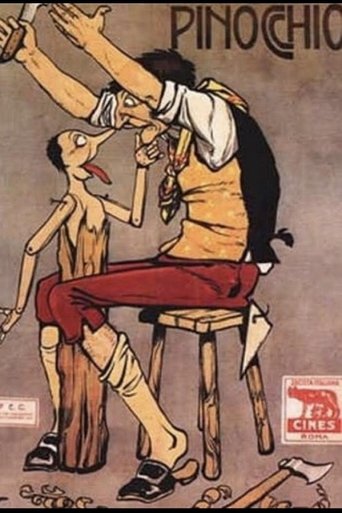
- Starred in the 1911 adaptation of Pinocchio, one of the earliest film versions of the Collodi classic
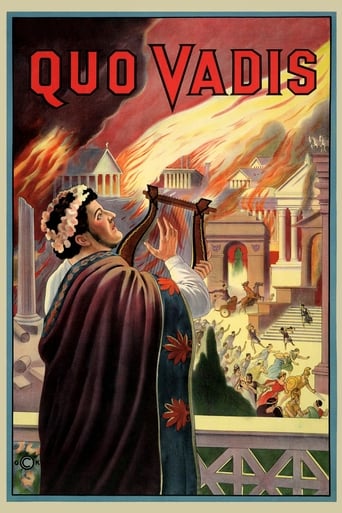
- Appeared in Quo Vadis? (1913),
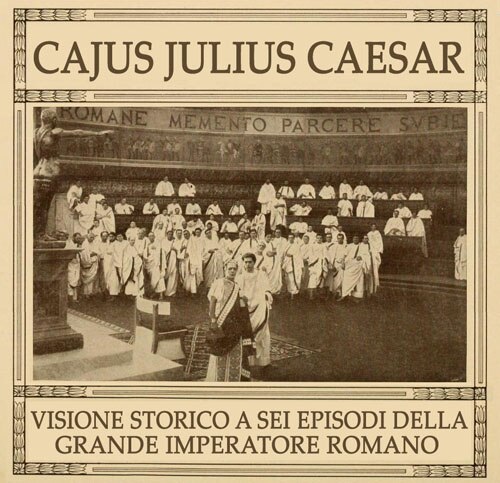
- Featured in Cajus Julius Caesar (1914), continuing Italy's tradition of grand historical productions
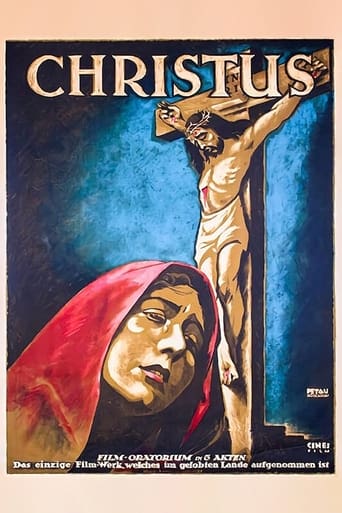
- Participated in Christus (1916), an ambitious religious epic that showcased Italian cinema's technical prowess
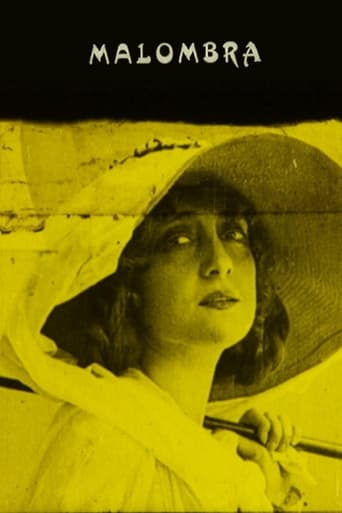
- Starred in Malombra (1917), a notable psychological drama that demonstrated the sophistication of Italian silent cinema
Best Known For
Iconic Roles
Must-See Films
Accolades
Special Recognition
- Recognized as a significant contributor to early Italian cinema by film historians
Working Relationships
Worked Often With
Studios
Why They Matter
Impact on Culture
Augusto Mastripietri contributed to the establishment of Italian cinema as a major international force during the silent era. His performances in films like Quo Vadis? helped demonstrate that Italian cinema could compete with and even surpass American and European productions in terms of scale, ambition, and artistic achievement. The films he appeared in were instrumental in developing the visual language of cinema, particularly in the genres of historical epics and literary adaptations. Mastripietri's work represents the transition from theatrical performance traditions to a uniquely cinematic acting style, helping define how actors could effectively communicate emotion and character through visual means alone.
Lasting Legacy
While many of Augusto Mastripietri's films are now lost or exist only in fragments, his legacy endures through the historical significance of the productions he contributed to. He represents an important generation of actors who helped bridge the gap between 19th-century theatrical traditions and 20th-century cinematic art. Film historians and preservationists continue to study the surviving works from his filmography as examples of early cinema's artistic and technical achievements. Mastripietri's career shows the richness and ambition of Italian silent cinema during its peak period of international influence.
Who They Inspired
As a working actor during the formative years of cinema, Mastripietri contributed to the development of acting techniques specific to the silent medium. His performances in major Italian productions helped establish conventions for dramatic expression in film that would influence subsequent generations of actors. The films he appeared in, particularly the epics and literary adaptations, set standards for production values and storytelling that would influence international cinema for decades to come.
Off Screen
Limited information is available about Mastripietri's personal life, which was not extensively documented in contemporary sources. What is known is that he began his film career later in life, suggesting he may have had previous theatrical experience. He lived through a transformative period in Italian history, including World War I, which significantly impacted the Italian film industry and likely influenced the end of his career.
Did You Know?
- Began his film career at approximately 42 years old, relatively late for an actor
- Appeared in films during what is considered the golden age of Italian silent cinema
- Many of his films were among the most expensive and elaborate productions of their time
- The 1913 Quo Vadis? he appeared in was a massive international success that helped establish the epic genre
- Italian cinema of his era was particularly renowned for its historical epics and religious spectaculars
- Like many films from this period, several of his works are now considered lost
- His career ended around the time World War I devastated the Italian film industry
- The films he appeared in often featured thousands of extras and elaborate sets
- Pinocchio (1911) was one of the earliest adaptations of the beloved children's story
- His active years covered the peak period when Italian films dominated international markets
Frequently Asked Questions
Who was Augusto Mastripietri?
Italian with credits in this catalog.
What films is Augusto Mastripietri best known for?
Titles linked here include Pinocchio (1911), Quo Vadis? (1913).
When was Augusto Mastripietri born and when did he die?
Born 1869; died 1926.
What was Augusto Mastripietri's acting style?
His acting style was characteristic of the silent era, featuring theatrical gestures, dramatic expressions, and a commanding presence that effectively conveyed emotion without dialogue, particularly suited to the epic and dramatic roles he often played.
What was Augusto Mastripietri's legacy in cinema?
Mastripietri's legacy lies in his contribution to establishing Italian cinema as a major international force during the silent era, particularly in the development of historical epics and the transition from theatrical to cinematic acting styles.