Leda Gys
Actor
Born: March 10, 1892 in Rome, Italy Died: October 15, 1957 Active: 1914-1916 Birth Name: Lidia Gys
Films
3 films
About Leda Gys
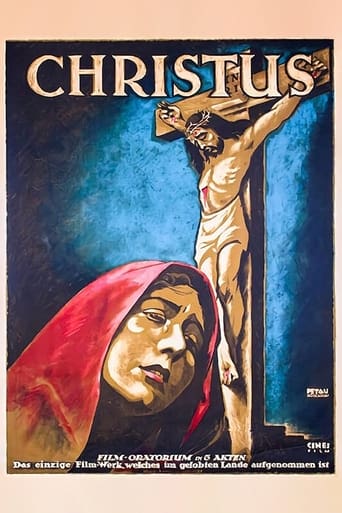
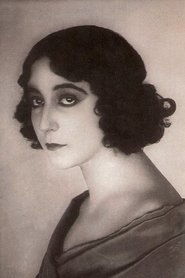
Leda Gys appears once in this catalog: Christus (1916). Born Lidia Gys, she adopted the stage name 'Leda' for her film career and quickly became one of the notable faces of the Italian film industry during its formative years. Her career, though brief, was marked by significant collaborations with prominent Italian directors of the era, particularly in historical and religious epics that were characteristic of Italian cinema at the time. She gained particular recognition for her role in 'Christus' (1916), ambitious religious films of the silent period. Gys's screen presence embodied the dramatic, theatrical style that defined silent film acting, with her expressive features and emotive performances resonating with audiences of the era. Her filmography, while limited to the years 1914-1916, includes some of the most technically and artistically ambitious Italian productions of the period. After her brief but impactful career in cinema, she largely disappeared from public records, making her one of the many fascinating but enigmatic figures of early European film history.
The Craft
On Screen
Leda Gys embodied the theatrical, expressive acting style characteristic of the silent era, using exaggerated gestures and facial expressions to convey emotion to audiences without dialogue. Her performances were marked by a dramatic intensity that suited the epic scale of Italian productions of the period. She possessed the ability to convey complex emotions through subtle facial movements and body language, a skill highly valued in silent cinema. Her screen presence was both ethereal and commanding, making her particularly suited for religious and historical roles that required a sense of gravitas and spiritual depth.
Milestones
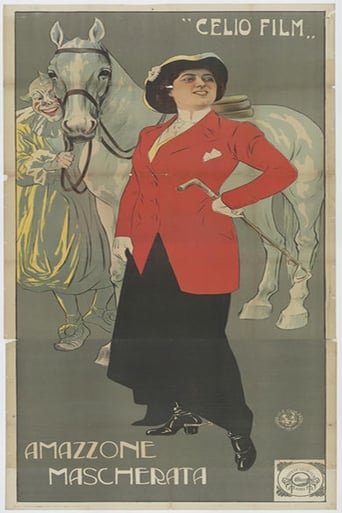
- Starred in 'The Masked Amazon' (1914), one of the early adventure films of Italian cinema
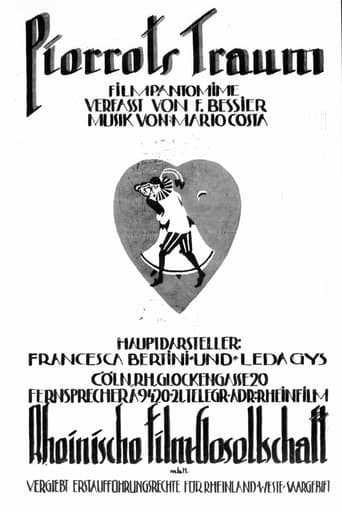
- Appeared in 'Pierrot the Prodigal' (1914), showcasing versatility in dramatic roles
- Landed a significant role in the ambitious religious epic 'Christus' (1916)
- Worked during the peak of Italian silent cinema's international recognition
- Became one of the recognizable faces of early Italian film before retiring from the industry
Best Known For
Iconic Roles
Must-See Films
Accolades
Special Recognition
- Recognized as one of the actresses of Italian silent cinema
- Her work in 'Christus' is preserved as an important example of early religious filmmaking
Working Relationships
Worked Often With
Studios
Why They Matter
Impact on Culture
Leda Gys contributed to the golden age of Italian silent cinema during a period when Italian films were internationally recognized for their artistic ambition and technical innovation. Her work in religious epics like 'Christus' helped establish conventions for cinematic storytelling of biblical and historical subjects that would influence filmmakers for decades. As one of the early Italian film actresses, she was part of a generation that helped establish the dramatic language of cinema, particularly in the realm of epic storytelling. Her performances, preserved in the few surviving films of her career, serve as valuable documentation of early 20th century acting techniques and Italian cultural values as expressed through cinema.
Lasting Legacy
Leda Gys's legacy lies primarily in her contribution to early Italian cinema and the preservation of silent era acting techniques through her surviving films. Though her career was brief, her work in significant productions like 'Christus' ensures her place in film history as a representative of the artistic achievements of Italian silent cinema. Her story reflects the transient nature of early film stardom, where many talented performers emerged quickly and vanished just as fast, leaving behind only their cinematic work as testament to their talent. Today, film historians and silent cinema enthusiasts recognize her as an important figure in understanding the development of Italian film culture and the broader evolution of cinematic art in the 1910s.
Who They Inspired
While specific records of her influence on other actors are limited due to her short career, Leda Gys was part of the generation of Italian silent film actors who established the dramatic conventions that would influence cinema worldwide. Her work in religious epics contributed to the visual and performative vocabulary that later filmmakers would draw upon for similar subjects. The dramatic intensity and emotional expressiveness characteristic of her performances were typical of the style that would influence silent film acting globally throughout the 1910s and early 1920s.
Off Screen
Leda Gys maintained a relatively private personal life, which was not uncommon for actresses of her era who often faced social scrutiny. After her brief film career ended in 1916, she largely withdrew from public life, focusing on family and personal pursuits away from the entertainment industry. Details about her later years remain scarce, contributing to her mystique as a figure from cinema's early days. Her decision to retire from acting at a young age suggests she may have prioritized personal life over the demands of a film career, a choice made by many early film actresses.
Education
Educational background not documented in available sources, though she likely received some theatrical training given her professional acting career
Family
- Unknown - records not available
Did You Know?
- Her real name was Lidia Gys, with 'Leda' being her chosen stage name
- Her entire known filmography spans only three years (1914-1916)
- She worked during the peak period of Italian cinema's international influence
- The film 'Christus' (1916) in which she appeared was
- Like many early film actors, she retired from cinema at a young age
- Her career coincided with World War I, which disrupted film production across Europe
- Italian silent cinema of her era was known for its elaborate historical and religious epics
- Few personal details about her life survive, making her somewhat mysterious to film historians
- Her acting style represents the theatrical approach typical of pre-Method era performers
- The preservation status of her films varies, with some titles potentially lost to time
In Their Own Words
No documented quotes from Leda Gys survive in available historical records, which was common for actors of the silent era who were primarily known through their visual performances rather than written statements
Frequently Asked Questions
Who was Leda Gys?
Italian actress active during the silent film era, best known for her roles in early Italian cinema productions between 1914 and 1916. She appeared in several notable films including religious and historical epics that were characteristic of Italian cinema's golden age.
What films is Leda Gys best known for?
Titles linked here include Christus (1916), The Masked Amazon (1914).
When was Leda Gys born and when did she die?
Born March 10, 1892; died October 15, 1957.
What awards did Leda Gys win?
There are no documented awards or formal recognitions that Leda Gys received during her lifetime, which was common for many actors of the silent era. Her legacy is primarily preserved through her contributions to early Italian cinema rather than formal accolades.
What was Leda Gys's acting style?
Leda Gys embodied the theatrical, expressive acting style characteristic of the silent era, using dramatic gestures and facial expressions to convey emotion. Her performances were marked by the dramatic intensity typical of Italian silent cinema, with particular effectiveness in religious and historical roles.