Maria Caserini
Actor
Born: November 12, 1884 in Milan, Italy Died: July 23, 1969 Active: 1910-1919 Birth Name: Maria Gasperini
Films
8 films

About Maria Caserini
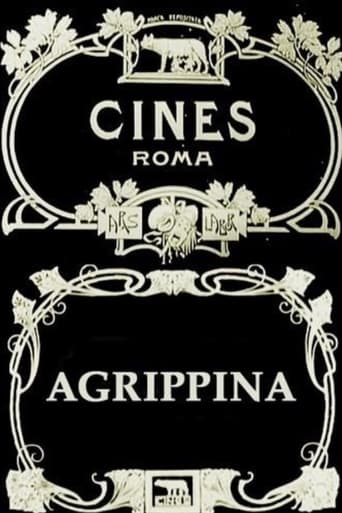
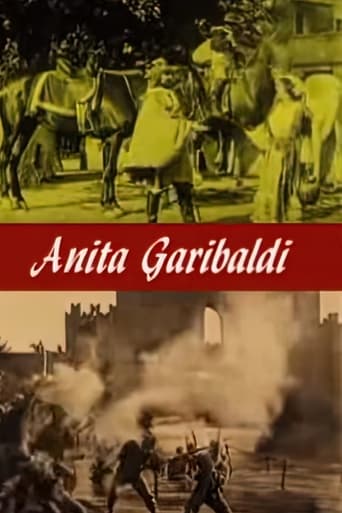
Italian actress of the silent film era who became one of Italy's first true movie stars. Born Maria Gasperini in Milan in 1884, she began her career in theater before transitioning to cinema around 1910 after marrying film director Mario Caserini. She quickly rose to prominence appearing in many of her husband's productions, becoming recognizable faces in early Italian cinema. Her the golden age of Italian silent films, during which she appeared in numerous historical epics and dramatic productions that showcased Italy's cinematic prowess on the international stage. Caserini specialized in playing strong, dramatic female characters in films like 'Agrippina' and 'Anita Garibaldi,' which were typical of the grand historical productions that made Italian cinema famous in the 1910s. Her career was relatively brief but highly influential, ending around 1919 as the film industry began to evolve toward new styles and techniques. She represented the transition from theatrical acting traditions to the emerging art of cinema, helping establish the foundation for Italian film stardom.
The Craft
On Screen
Maria Caserini's acting style was characteristic of the silent era, emphasizing theatrical gestures and expressive facial features to convey emotions without dialogue. She employed dramatic body language and exaggerated expressions typical of stage actors transitioning to film, using her eyes and hands to communicate complex emotions. Her performances were marked by a certain grandeur and intensity that suited the epic historical productions she frequently appeared in. While modern audiences might find her style melodramatic, it was highly effective for the silent medium and helped establish the template for dramatic acting in early Italian cinema.
Milestones
- One of Italy's first film stars
- figure in silent Italian cinema
- Frequent collaborator with director Mario Caserini
- Star of historical epics that defined Italian cinema's golden age
- Successfully transitioned from theater to film
- Appeared in over 20 films during her active period
Best Known For
Iconic Roles
Must-See Films
Accolades
Special Recognition
- Recognized as a figure in Italian cinema history
- Honored in retrospectives of early Italian film
Working Relationships
Worked Often With
Studios
Why They Matter
Impact on Culture
Maria Caserini played a crucial role in establishing the star system in Italian cinema during its formative years. As one of the first recognizable film personalities in Italy, she helped demonstrate the commercial value of having familiar faces attract audiences to theaters. Her work in historical epics contributed to Italy's reputation as a leader in grand cinematic productions during the 1910s. Caserini represented the successful transition from theatrical traditions to cinematic performance, helping define what film acting could be. Her collaborations with her husband Mario Caserini created a template for director-actor partnerships that would influence Italian cinema for decades. She was part of the generation that proved cinema could be a legitimate art form and commercial industry, paving the way for the golden age of Italian film that would follow.
Lasting Legacy
Maria Caserini's legacy lies in her role as one of Italy's first film stars and her contribution to establishing Italian cinema's international reputation during the silent era. While her name may not be as widely recognized today as some of her contemporaries, film historians recognize her as a crucial figure in the development of Italian cinema. Her work helped establish the historical epic as a signature genre of Italian film, a tradition that would continue through directors like Cecil B. DeMille and later Italian auteurs. Caserini represents the important transition from theatrical performance to film acting, helping create a new form of artistic expression. Her career, though relatively brief, coincided with what many consider the peak of Italian silent cinema's international influence, making her an important witness to and participant in a seminal period of film history.
Who They Inspired
Maria Caserini influenced subsequent generations of Italian actresses by demonstrating how theatrical techniques could be adapted for the camera. Her success in historical roles helped establish a tradition of strong female characters in Italian cinema that would continue through the work of actresses like Anna Magnani and Sophia Loren. Her collaboration with her husband Mario Caserini set an early example of the director-muse relationship that would become common in European cinema. Caserini's ability to convey emotion through gesture and expression influenced the development of silent film acting techniques across Europe. While she didn't live to see the full evolution of cinema, her work helped establish the foundation for the Italian film industry that would produce some of the world's most celebrated directors and actors in subsequent decades.
Off Screen
Maria Caserini was married to Mario Caserini, one of Italy's film directors, which significantly influenced her career trajectory. Their professional partnership was. After her film career ended in 1919, she largely withdrew from public life. The couple remained married until Mario's death in 1920. Maria lived for nearly five decades after her husband's death, passing away in 1969 at the age of 84, having witnessed the complete transformation of cinema from silent films to the modern era.
Education
Theatrical training in Milan before transitioning to film
Family
- Mario Caserini (1909-1920)
Did You Know?
- She was born Maria Gasperini but adopted her husband's surname professionally
- She began her career in theater before transitioning to film
- She was one of the first Italian actresses to achieve true stardom
- Her active years covered what many consider the golden age of Italian silent cinema
- She appeared in over 20 films in less than a decade
- Her husband Mario Caserini was one of Italy's film directors
- She specialized in historical epics, a genre that made Italian cinema famous internationally
- She retired from acting around the same time Italian cinema began to decline internationally
- She lived long enough to see cinema completely transform from silent films to modern productions
- Her films were distributed internationally, helping establish Italian cinema's global reputation
Frequently Asked Questions
Who was Maria Caserini?
Italian actress of the silent film era who became one of Italy's first movie stars. Born in 1884, she was active in cinema from 1910 to 1919 and appeared in numerous historical epics that defined Italian cinema's golden age.
What films is Maria Caserini best known for?
Titles linked here include Agrippina (1910), Anita Garibaldi (1910).
When was Maria Caserini born and when did she die?
Born November 12, 1884; died July 23, 1969.
What awards did Maria Caserini win?
During her active period in the 1910s, formal film awards were not yet established. However, she is recognized by film historians as a figure in Italian cinema and has been honored in retrospectives of early Italian film.
What was Maria Caserini's acting style?
Maria Caserini's acting style was characteristic of the silent era, featuring theatrical gestures and expressive facial features to convey emotions without dialogue. She employed dramatic body language and exaggerated expressions that were highly effective for the silent medium.
How was Maria Caserini related to Mario Caserini?
Maria Caserini was married to Mario Caserini, one of Italy's film directors. She was born Maria Gasperini but adopted her husband's surname professionally. Their professional partnership was significant in early Italian cinema.
What was Maria Caserini's impact on Italian cinema?
Maria Caserini helped establish the star system in Italian cinema and contributed to Italy's international reputation during the silent era. Her work in historical epics helped define a signature genre of Italian film and influenced subsequent generations of Italian actresses.