
Love Everlasting
"Honor shattered by stolen papers"
Keys: Space play/pause · ←/→ 10s · F fullscreen · M mute · </> speed
About this film
Grand Duchy of Wallenstein. Elsa Holbein is the young beautiful daughter of General Julius, the Chief of the General Staff.
Cast & crew
More films like this
More Romance films
View all →




More from Mario Caserini
View all →
More about this film
About the production
Release date1913
ProductionFilm Ambrosio, Società Anonima Ambrosio
Filmed inTurin, Italy, Italian Riviera locations
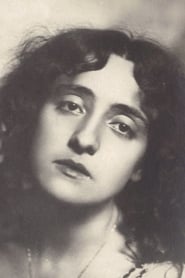
This film was produced during the golden age of Italian cinema, specifically by the pioneering Ambrosio film company. The production utilized elaborate sets and costumes typical of the period's Italian historical epics. The film featured Lyda Borelli, widely known divas of Italian silent cinema, whose performance style influenced the diva film genre. The production likely took advantage of the sophisticated studio facilities in Turin, which was a major center of early Italian film production.
Themes
Identity and reinventionSocial class and mobilityBetrayal and redemptionThe power of performanceLove and sacrifice
Themes & topics
spymilitarysuicidehomelessnessperformerfalse identityromancebetrayalrevengearistocracyscandalredemption
Historical background
Love Everlasting reached screens around 1913, produced in its country of origin. Silent-era houses paired such titles with live music and newsreel bills.
Why this film matters
Researchers cite Love Everlasting when tracing screen culture of its decade.
Making of
The production of 'Love Everlasting' took place during what historians consider the first golden age of Italian cinema. Director Mario Caserini, working with the prestigious Ambrosio studio, would have employed the sophisticated production techniques that made Italian films internationally renowned during this period. The film starred Lyda Borelli, whose distinctive acting style characterized by exaggerated gestures and intense emotional expression became synonymous with the 'diva film' genre. The production would have utilized the elaborate sets and costumes that Italian studios were famous for, creating the opulent settings of the Grand Duchy of Wallenstein. The filming likely took place at Ambrosio's studios in Turin, with location shooting on the Italian Riviera for the exterior scenes. The collaboration between Caserini and Borelli represented especially significant director-actor partnerships of early Italian cinema, with both artists pushing the boundaries of dramatic storytelling in the silent medium.
What critics said
Reviewers in 1913 weighed Love Everlasting on clarity, pacing, and audience response rather than prestige status. No single canonical review dominates later reference works for the title.
Did you know?
- Lyda Borelli, the film's star, was especially notable actresses of the Italian silent era, known for her ethereal beauty and intense dramatic performances
- The film was produced by Film Ambrosio, one of Italy's earliest and most important film production companies founded in 1906
- Director Mario Caserini was a prolific filmmaker who directed over 100 films between 1906 and 1921
- The film's themes of fallen nobility and redemption were common in Italian cinema of this period
- 1913 was considered the peak year of Italian silent cinema before World War I disrupted the industry
- The character name 'Diana Cadouleur' reflects the period's fascination with French-sounding stage names for performers
- The film's setting in the fictional 'Grand Duchy of Wallenstein' allowed for creative freedom while maintaining European aristocratic aesthetics
- The spy subplot involving military documents reflects the political tensions prevalent in Europe before World War I
Visual style
The cinematography of 'Love Everlasting' would have employed the sophisticated techniques being developed by Italian cinematographers in 1913. The film likely featured elaborate lighting schemes to create dramatic shadows and highlights, particularly important for conveying emotion in silent cinema. The camera work would have included both static shots for dialogue scenes and more dynamic movements for action sequences. The Riviera locations would have provided opportunities for outdoor photography, taking advantage of natural light to create atmospheric scenes. The interior sets, particularly the church and theater scenes, would have been lit to enhance their architectural details and create appropriate moods. The cinematography would have served the melodramatic nature of the story, using visual techniques to emphasize emotional moments and character transformations.
Innovations
While specific technical innovations for 'Love Everlasting' are not well documented, the film would have benefited from the advanced production techniques being developed by the Italian film industry in 1913. The Ambrosio studio was known for its sophisticated set construction and use of artificial lighting techniques. The film likely employed multiple camera setups and complex scene transitions that were innovative for the period. The production would have utilized the advanced film stock and processing techniques available in 1913, allowing for better image quality than earlier films. The combination of studio and location shooting demonstrated the industry's growing technical capabilities. The film's narrative structure, with its multiple plot threads and character transformations, represented an advancement in storytelling complexity for the period.
Music
As a silent film, 'Love Everlasting' would have been accompanied by live musical performance during its original theatrical run. The score would likely have been compiled from classical pieces and popular melodies of the period, selected to match the emotional tone of each scene. Theaters might have employed small orchestras or solo pianists to provide accompaniment, with the music ranging from dramatic classical pieces for tense moments to romantic melodies for love scenes. The performance scenes featuring Diana Cadouleur would have included musical elements appropriate to the theatrical setting depicted. The original score would have been designed to enhance the film's emotional impact and guide audience responses to the dramatic narrative, following the conventions of silent film accompaniment in the early 1910s.
Famous quotes
No documented quotes available from this silent film
Memorable scenes
- The transformation scene where Elsa becomes Diana Cadouleur, marking her transition from aristocratic lady to performer
- The church encounter where the protagonist meets her love interest, representing hope and new beginnings
- The confrontation on Lake Lucarno with the spy Sthar, bringing past and present into dramatic conflict
- General Julius's suicide scene, establishing the tragic foundation of the narrative
What audiences thought
Audiences in 1913 would have responded enthusiastically to 'Love Everlasting,' particularly drawn by the presence of Lyda Borelli, whose star power was comparable to that of modern Hollywood celebrities. The film's themes of love, betrayal, and redemption, combined with its spectacular settings and emotional intensity, appealed to the tastes of early cinema audiences who favored melodramatic narratives. The transformation of the protagonist from aristocratic lady to successful entertainer would have resonated with contemporary audiences fascinated by stories of social mobility and personal reinvention. The film's romantic elements and dramatic conflicts provided the emotional catharsis that audiences of the period sought in cinema. International audiences, particularly in Europe and America, would have been drawn to the film's exotic European setting and the sophisticated production values that characterized Italian cinema of this era.
Film connections
Influenced by
- Italian diva film tradition
- 19th century melodrama
- Opera and theatrical performance traditions
- European romantic literature
This film influenced
- Later Italian melodramas
- German expressionist films featuring fallen women
- Hollywood films about performers and identity transformation
Film restoration
The preservation status of 'Love Everlasting' (1913) is uncertain, as many films from this early period of Italian cinema have been lost or exist only in fragmentary form. The film likely exists in archives or private collections, possibly incomplete or in deteriorated condition. The Cineteca Nazionale in Rome and other European film archives may hold materials related to this production. Given its historical significance as a Lyda Borelli vehicle and Mario Caserini direction, preservation efforts would be valuable for cinema history. The film's survival would provide important documentation of early Italian cinema and the diva film genre.
Where to watch
- This film is not currently available on mainstream streaming platforms
- Potential viewing through film archives specializing in early cinema
- May be accessible through specialized cinema museums or academic institutions
- Possible inclusion in rare film collections or silent film festivals