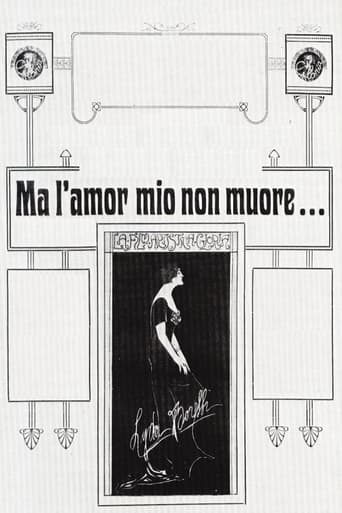
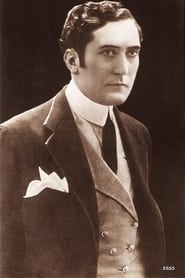
Mario Bonnard
Actor
Born: May 24, 1889 in Rome, Italy Died: March 22, 1965 Active: 1912-1958
Films
5 films
About Mario Bonnard
Mario Bonnard began his career in the burgeoning Italian film industry as an actor during the silent era, appearing in several notable films between 1912 and 1913 including 'Parsifal' and 'Nero and Agrippina.' He quickly transitioned to directing around 1916, making his directorial debut with 'La moglie di Claudio' and demonstrating remarkable versatility in the evolving medium. Throughout his prolific career spanning four decades, Bonnard directed over 60 films, working across various genres but particularly excelling in historical epics, melodramas, and romantic comedies that appealed to Italian audiences. He successfully navigated the challenging transition from silent to sound cinema, co-directing 'La canzone dell'amore' (1930), one of Italy's first sound films. During the Fascist era, Bonnard became one of Italy's most commercially successful and respected directors, working with major stars and established production companies. His later career included mentoring emerging talents and adapting to the changing tastes of post-war Italian cinema until his retirement in the late 1950s.
The Craft
On Screen
As an early silent film actor, Bonnard employed the exaggerated gestures and dramatic facial expressions typical of the period, using physicality and theatrical presence to convey emotion in the absence of dialogue. His performances in historical epics like 'Nero and Agrippina' demonstrated his ability to embody grand, commanding characters suited to the spectacle-driven Italian cinema of the era. He brought a certain gravitas to his roles, particularly in historical and mythological subjects, using his physical stature and intense gaze to communicate complex emotions and character motivations.
Milestones
- Acting debut in 'Parsifal' (1912)
- Transitioned to directing around 1916
- Directed over 60 films during his career
- Co-directed 'La canzone dell'amore' (1930), one of Italy's first sound films
- Became one of Italy's most commercially successful directors during the 1930s-1940s
- Successfully transitioned from silent to sound cinema
- Mentored numerous actors and technicians who shaped post-war Italian cinema
Best Known For
Iconic Roles
Must-See Films
Accolades
Special Recognition
- Recognized as one of Italy's most prolific directors of the 1930s-1940s
- Honored for work in early Italian sound cinema
Working Relationships
Worked Often With
Studios
Why They Matter
Impact on Culture
Mario Bonnard's early acting career contributed significantly to the development of Italian cinema during its formative years. As part of the first generation of Italian film actors, he helped establish acting techniques and performance styles that would influence subsequent Italian cinema, particularly in the realm of historical epics and melodramas. His transition from actor to director represented a common and important career path in early cinema, demonstrating the versatility and comprehensive understanding of filmmaking required during cinema's days. His later work as a director, especially his successful adaptation to sound technology, provided a model for other silent-era filmmakers navigating this challenging transition. Bonnard's films reflected and shaped Italian popular culture, particularly during the Fascist era when cinema played a crucial role in national identity formation.
Lasting Legacy
While primarily remembered as a director, Mario Bonnard's early acting career represents an important chapter in the history of Italian cinema. His journey from silent film actor to successful director mirrors the evolution of the Italian film industry itself, from its spectacular beginnings in the 1910s through its maturity in the sound era. The films he appeared in during 1912-1913 are now considered important artifacts of early Italian cinema, showcasing the epic, historical approach that characterized Italian filmmaking of that period. His later directorial work, particularly his successful transition to sound films, demonstrated adaptability and technical skill that influenced subsequent generations of Italian filmmakers. Many of the actors and technicians he worked with and mentored would go on to play significant roles in the post-war Italian cinema renaissance.
Who They Inspired
Bonnard influenced Italian cinema both through his early acting work and his extensive directing career. As an actor, he was part of establishing the dramatic, theatrical style that characterized Italian silent films, particularly in historical and mythological subjects. As a director, he mentored numerous actors and technicians who would become prominent figures in Italian cinema, helping to shape the industry's technical and artistic standards. His successful adaptation to sound technology provided a blueprint for other silent-era directors, while his commercial success demonstrated the viability of popular Italian cinema in an increasingly international market. His emphasis on strong emotional narratives and technical excellence influenced generations of Italian filmmakers who followed.
Off Screen
Mario Bonnard was born and raised in Rome, maintaining strong ties to his home city throughout his life and career. He was part of the generation that witnessed the birth and evolution of the Italian film industry, from its silent beginnings through the advent of sound and into the post-war era. While specific details about his family life are not extensively documented, historical records indicate he married and had children. His active years covered some of the most turbulent periods of Italian history, including both World Wars and the Fascist era, during which he continued working and remained one of the country's most active filmmakers.
Education
Limited information available about formal education; likely learned filmmaking through practical experience in the early Italian film industry
Family
- Unknown - specific details not well documented
Did You Know?
- Mario Bonnard's acting career lasted only about two years (1912-1913) before he transitioned to directing
- He directed over 60 films during his career, making him one of Italy's most prolific directors
- 'La canzone dell'amore' (1930), which he co-directed, was one of the first Italian sound films
- He worked continuously through the Fascist era, maintaining commercial success throughout
- Many of his early silent films have been lost due to the deterioration of early film stock
- He was born and died in Rome, maintaining strong ties to his home city throughout his career
- His films often featured themes of love, honor, and Italian patriotism
- He worked with many of Italy's most famous actors, including Amedeo Nazzari and Anna Magnani
- His active years covered more than four decades, from the silent era through the late 1950s
- He helped launch the careers of several actors who became major stars in Italian cinema
In Their Own Words
No well-documented quotes from his early acting period, as press coverage was limited for actors in the early silent film era
Frequently Asked Questions
Who was Mario Bonnard?
Italian film actor and on YTB.my.
What films is Mario Bonnard best known for?
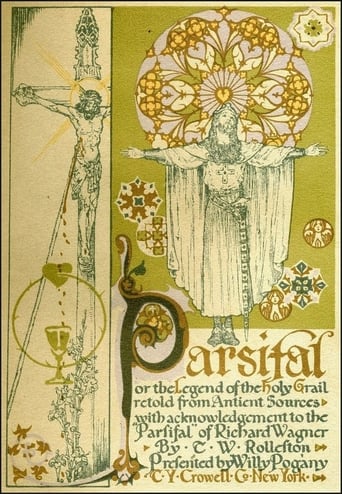
Titles linked here include Parsifal (1912), Nero and Agrippina (1913).
When was Mario Bonnard born and when did he die?
Born May 24, 1889; died March 22, 1965.
What awards did Mario Bonnard win?
During his early acting career, formal film awards were not yet established in Italy. His recognition came primarily through commercial success and critical acclaim for his directorial work in later years.
What was Mario Bonnard's acting style?
As a silent film actor, Bonnard employed the dramatic, exaggerated gestures and facial expressions typical of the period, using physicality to convey emotion in historical epics and melodramas characteristic of early Italian cinema.
How did Mario Bonnard transition from acting to directing?
After appearing in several films between 1912-1913, Bonnard transitioned to directing around 1916, a common career path in early cinema when actors often moved behind the camera as they gained industry experience.
What was Mario Bonnard's impact on Italian cinema?
Bonnard contributed to both the development of Italian silent film acting and the transition to sound cinema, directing one of Italy's first sound films and mentoring numerous actors and technicians who shaped post-war Italian cinema.