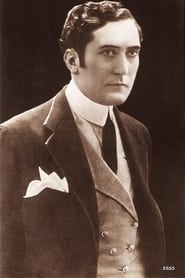
Nelly, the Tamer
"Lion tamer's affair ends in sorrow and regret"
Keys: Space play/pause · ←/→ 10s · F fullscreen · M mute · </> speed
About this film
A melodrama about a female lion tamer who has an extramarital relationship with a distinguished gentleman, and then moves in with him. When she later comes to regret her actions, her husband has already died of sorrow.
Cast & crew
More films like this
More Drama films
View all →







More from Mario Caserini
View all →
More about this film
About the production
Release date1912 (exact date unknown)
Box officeUnknown - box office records from 1912 Italian cinema are not preserved
ProductionMilano Films
Filmed inItaly - likely Milan area given Milano Films production
Produced during the golden age of Italian silent cinema, this film exemplified the melodramatic style that was popular in early 1910s Italian cinema. The production likely used real circus performers and possibly actual animals for authenticity. Mario Caserini was known for his efficient shooting methods and ability to complete films quickly, which was essential in the rapidly expanding Italian film market of the period.
Themes
Betrayal and redemptionThe price of passionSocial class and mobilityPerformance and authenticityMoral consequences
Themes & topics
Historical background
Made during the nickelodeon years around 1912, Nelly, the Tamer reached audiences through theatrical programs, fairground booths, or specialized distribution channels typical of its generation. A melodrama about a female lion tamer who has an extramarital relationship with a distinguished gentleman, and then. Historians now read such works for what they reveal about production methods, national taste, and the expanding vocabulary of screen narrative.
Why this film matters
Archivists and programmers still screen Nelly, the Tamer when tracing how popular entertainment evolved. Its subject—a melodrama about a female lion tamer who has an extramarital relationship with a distinguished—gives later viewers tangible evidence of what drew crowds in the silent period. Home video, restorations, and festival sidebars keep the title circulating among students of film history.
Making of
The production of 'Nelly, the Tamer' took place during a transformative period in Italian cinema, when the industry was moving from simple actualities to complex narrative films. Director Mario Caserini, working with Milano Films, was known for his ability to create emotionally charged melodramas that resonated with audiences of the time. The filming likely involved working with real circus elements, possibly including trained animals, which presented unique challenges for early film crews. The cast, led by Fernanda Negri Pouget, would have had to perform with the exaggerated gestures and facial expressions required for silent film acting. The production would have used natural lighting or early studio lighting setups, and the film would have been shot on flammable nitrate stock, which unfortunately contributed to the loss of many films from this era.
What critics said
Original trade coverage treated Nelly, the Tamer as routine program filler rather than a landmark production—common for shorts. Later criticism emphasizes preservation, stylistic comparison with contemporaries, and whatever cast or crew names later gained prominence. Contemporary writing is mostly historical: assessing completeness, influence, and place in a director's or studio's catalog.
Did you know?
- Mario Caserini was especially prolific directors of early Italian cinema, directing over 100 films between 1909 and 1920
- Fernanda Negri Pouget was a popular actress in Italian silent films, often cast in dramatic and romantic roles
- The film was produced by Milano Films, one of Italy's early major production companies
- 1912 was a peak year for Italian film production, with the country being one of the world's leading film producers
- The theme of the circus performer was relatively common in early cinema, offering visual spectacle and dramatic potential
- Early Italian melodramas like this often featured themes of redemption, sacrifice, and moral consequences
- Mario Bonnard, who appears in the cast, would later become a prominent director himself
- The film likely used tinted sequences, a common practice in early cinema to enhance emotional impact
- Circus films were popular in this era as they showcased exotic elements and provided opportunities for spectacular visuals
- This film represents the transition from short films to longer narrative features that characterized the evolution of cinema in the early 1910s
Visual style
The cinematography would have been characteristic of 1912 Italian cinema, featuring static camera positions with occasional movement for dramatic effect. The film likely used the common practice of scene tinting - blue for night scenes, amber for interiors, and perhaps red for dramatic moments. Close-ups would have been used sparingly but effectively for emotional emphasis. The circus setting would have allowed for impressive wide shots showcasing the spectacle. The cinematographer would have worked with natural light when possible or early artificial lighting systems, creating dramatic shadows and highlights typical of the period.
Innovations
While not groundbreaking in technical terms, the film represents the sophistication of Italian cinema in 1912. The production likely used multiple camera setups and editing techniques that were advanced for the period. The filming of circus elements would have required careful planning and coordination. The film may have used special effects techniques of the era, such as multiple exposure or matte shots, to enhance the circus sequences. The editing would have followed the emerging continuity editing principles that were being developed during this period.
Music
As a silent film, 'Nelly, the Tamer' would have been accompanied by live musical performance during screenings. The score would likely have been compiled from popular classical pieces, with different music for different scenes - romantic themes for the love scenes, dramatic music for conflict, and melancholic pieces for moments of regret. Major theaters might have had small orchestras, while smaller venues would have used a pianist or organist. The music would have been crucial in conveying the emotional tone and helping audiences understand the narrative without dialogue.
Famous quotes
No specific quotes are preserved from this 1912 silent film, as intertitles and dialogue from early cinema are rarely documented in historical records
Memorable scenes
- The lion taming performance sequences that would have showcased both spectacle and character
- The pivotal decision scene where Nelly chooses to leave her husband
- The emotional confrontation when Nelly realizes the consequences of her actions
- The tragic discovery of her husband's death
- The final scene of Nelly's isolation and regret
What audiences thought
Early 1910s Italian audiences responded positively to melodramatic films with strong emotional content and moral lessons. The combination of circus spectacle and romantic drama would have appealed to the growing cinema-going public of the period. The theme of redemption and moral consequences resonated with contemporary social values. The film likely performed well in Italian markets and may have been exported to other countries, as Italian films had significant international distribution during this era. The presence of a female lion tamer as protagonist would have been particularly intriguing to audiences of the time.
Film connections
Influenced by
- Italian theatrical melodrama tradition
- French film melodramas of the 1900s
- Literary romantic tragedies
- Circus and sideshow culture
- Contemporary social dramas about morality
This film influenced
- Later Italian diva films
- Hollywood melodramas of the 1920s
- Circus-themed films throughout cinema history
- Films exploring themes of redemption and consequence
Film restoration
Presumed lost - like approximately 90% of films from this era, 'Nelly, the Tamer' is likely lost due to the deterioration of nitrate film stock and lack of preservation efforts in the early 20th century. No known copies exist in major film archives. The film exists only through written records, cast lists, and contemporary reviews if any survive.
Where to watch
- Not available for viewing - presumed lost film. Film historians and researchers can only study it through written documentation and period references. No known copies exist in any film archive or private collection.