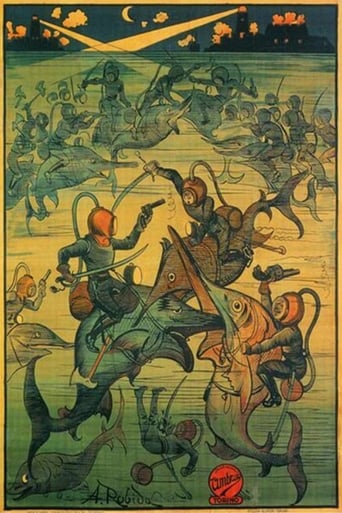
Films
7 films
About Oreste Grandi
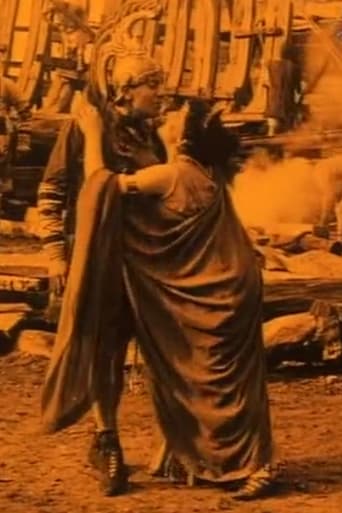
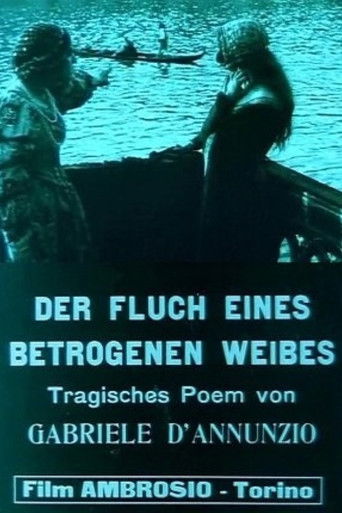
Italian silent film actor who emerged during the years of cinema, working primarily between 1910 and 1913. His career coincided with the birth of narrative filmmaking in Italy, which was then one of the world's leading film-producing nations. Grandi appeared in numerous early Italian productions that helped establish the foundations of cinematic storytelling. His filmography includes adaptations of classic literature such as 'Didone abbandonata' (1910), based on the tragic story of Dido and Aeneas, as well as original narratives like 'A Blind Retribution' (1911). He worked during a period when Italian cinema was producing epic historical films and was at the forefront of international cinema. Grandi's relatively brief but significant the crucial transitional years when cinema evolved from simple spectacles to sophisticated narrative art forms. His performances contributed to the development of acting techniques specific to the silent medium, where physical expression and pantomime were essential for conveying emotion and story.
The Craft
On Screen
As a silent era performer, Grandi likely employed the exaggerated physical acting style characteristic of early cinema, using dramatic gestures, facial expressions, and body language to convey emotions and narrative elements without dialogue. His performances would have been influenced by theatrical traditions while adapting to the specific demands of the camera medium.
Milestones
- Starred in 'Didone abbandonata' (1910), one of the early Italian literary adaptations
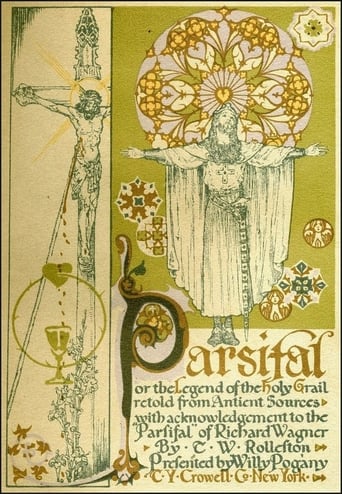
- Appeared in 'Parsifal' (1912), an early adaptation of Wagner's opera
- Featured in 'La ribalta' (1912), showcasing Italian cinema's narrative development
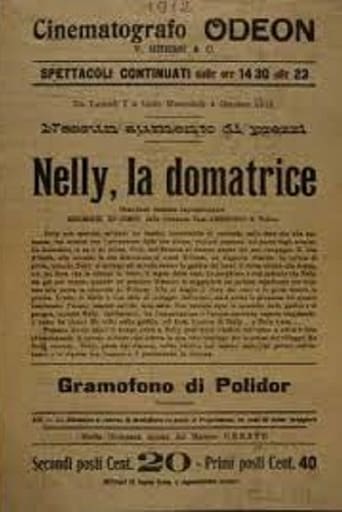
- Performed in 'Nelly, the Tamer' (1912), demonstrating the range of roles in early Italian cinema
- Contributed to 'A Blind Retribution' (1911), representing early crime/drama genres
Best Known For
Iconic Roles
Must-See Films
Working Relationships
Worked Often With
Studios
Why They Matter
Impact on Culture
Oreste Grandi represents the generation of actors who helped establish the foundations of cinematic performance during the birth of narrative filmmaking. His work during 1910-1913 contributed to Italy's position as a leading film-producing nation in the early 20th century. Though individual actors from this period are often forgotten, their collective efforts in developing acting techniques for the silent medium were crucial to cinema's evolution. Grandi's participation in literary adaptations like 'Didone abbandonata' helped establish the tradition of bringing classic literature to the screen, a practice that would become fundamental to cinema. His active years covered the crucial years when cinema was transitioning from simple spectacles to complex narrative art forms, and his performances were part of this important developmental phase.
Lasting Legacy
Oreste Grandi's legacy lies in his contribution to the very early years of Italian cinema, a period when the foundations of film acting and storytelling were being established. While individual actors from this era are often overshadowed by later silent film stars, their work was essential in developing the language of cinema. His filmography represents the types of productions that dominated early Italian cinema - literary adaptations, dramatic narratives, and experimental storytelling. The preservation of his films, even in fragmentary form, provides valuable insight into the evolution of cinematic acting techniques and the early Italian film industry's artistic ambitions.
Who They Inspired
As an early pioneer, Grandi's influence would have been primarily through his contribution to the development of silent film acting techniques, helping establish the physical and expressive methods that would be refined by subsequent generations of silent film actors. His work in early Italian productions contributed to the national cinema that would later influence filmmakers worldwide.
Off Screen
Very little is documented about Oreste Grandi's personal life, which is common for actors from the very early silent era when film performers were not yet considered celebrities and personal details were rarely recorded or preserved.
Did You Know?
- Oreste Grandi's active years covered only four years (1910-1913), typical for many early film actors
- He worked during Italy's golden age of silent cinema, when the country was a leading film producer
- His film 'Didone abbandonata' (1910) represents early Italian cinema's fascination with classical literature
- The actor appeared in 'Parsifal' (1912), one of the earliest film adaptations of Wagner's opera
- Many films from this era, including Grandi's work, are now considered lost or survive only in fragments
- Early Italian actors like Grandi often came from theatrical backgrounds
- His career ended before the major developments of the mid-1910s that revolutionized cinema
- The lack of detailed biographical information is typical for actors from this period
Frequently Asked Questions
Who was Oreste Grandi?
Italian silent film with credits in this catalog. He appeared in several early Italian productions including 'Didone abbandonata' (1910), 'A Blind Retribution' (1911), and 'Parsifal' (1912), contributing to the development of narrative filmmaking during Italy's golden age of silent cinema.
What films is Oreste Grandi best known for?
Titles linked here include Didone abbandonata (1910), A Blind Retribution (1911).
When was Oreste Grandi born and when did he die?
Specific birth and death dates for Oreste Grandi are not documented, which is common for actors from the very early silent era. We know he was active as an actor between 1910 and 1913, and was Italian by nationality, but detailed biographical information from this period of cinema is often lost or never recorded.
What awards did Oreste Grandi win?
Oreste Grandi did not receive any documented awards or nominations, which was typical for actors from the very early silent era. The major film awards and recognition systems we know today did not exist during his active years (1910-1913), and actors from this period are often overlooked in film history despite their important contributions.
What was Oreste Grandi's acting style?
As a silent era actor, Grandi likely employed the exaggerated physical acting style characteristic of early cinema, using dramatic gestures, facial expressions, and body language to convey emotions and story without dialogue. His performances would have been influenced by theatrical traditions while adapting to the specific demands of the camera medium during cinema's formative years.