The Extraordinary Adventures of Saturnino Farandola
"Monkey-raised captain of the high seas"
Keys: Space play/pause · ←/→ 10s · F fullscreen · M mute · </> speed
About this film
Raised by monkeys and schooled by sailors, Captain Saturnino Farandola charts unknown seas, finds love beneath the waves, and clashes with schemers on land.
Cast & crew
More films like this
More Adventure films
View all →

More from Marcel Perez
View all →
More about this film
About the production
Release date1913
Box officeBox office records from 1913 are not available, but Italian adventure films of this period were commercially successful both domestically and internationally
ProductionItala Film, Società Anonima Italiana Cines
Filmed inTurin, Italy, Studio locations in Northern Italy
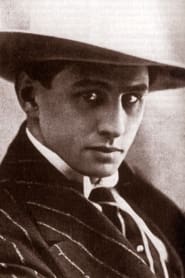
This film was based on the popular 1879 French novel by Albert Robida. The production utilized elaborate sets and special effects typical of Italian cinema's golden age, including detailed underwater sequences and exotic location recreations. Marcel Perez, who both directed and starred, was known for his athletic abilities and performed many of his own stunts, which was common for leading actors of this period.
Themes
Exploration and discoveryThe triumph of human spiritLove conquering all obstaclesCivilization versus natureScientific progress and innovation
Themes & topics
adventurescience fictionexplorationunderwatermonkeyssailorscaptainfrigateunknown worldslove storywise manmandarinApachesjourneydiscovery
Historical background
The silent era context of 1913 shaped how The Extraordinary Adventures of Saturnino Farandola was marketed, exhibited, and remembered. It is divided into four episodes, inspired by the fantastic adventurous novel of Saturnino Farandola's extraordinary travels by Albert Robida (1879). It is sometimes cited by critics as one of the first expressions of European science fiction films.
Why this film matters
Preservation efforts around The Extraordinary Adventures of Saturnino Farandola help audiences connect with silent era viewing habits. Le avventure straordinarissime di Saturnino Farandola (English: The Extraordinary Adventures of Saturnino Farandola) is an Italian silent film of 1913 directed and interpreted by Marcel Fabre.
Making of
The production of this film took place during the peak of Italian cinema's international dominance, with studios in Turin and Rome competing to produce increasingly spectacular films. Marcel Perez, a versatile performer who began as a circus acrobat, brought his physical prowess to the role, performing many dangerous stunts himself. The underwater sequences required innovative camera work, with the crew building large glass tanks and using special lighting techniques to create the illusion of underwater filming. The exotic locations and creatures were created through elaborate set design and props, showcasing Italian craftsmanship. The film's production involved hundreds of crew members and extras, reflecting the scale of Italian epics of this period. The collaboration between Perez and cinematographer Angelo Scalmazzi resulted in dynamic camera movements and compositions that were advanced for the time.
What critics said
Trade coverage around 1913 noted The Extraordinary Adventures of Saturnino Farandola as a competent example of its genre, with emphasis on pacing and star appeal where applicable.
Did you know?
- The film was based on Albert Robida's 1879 novel 'The Extraordinary Adventures of a Russian Scientist Across the Solar System,' though the film adaptation significantly altered the story
- Marcel Perez was not only the director and star but also reportedly contributed to the screenplay and stunts
- Italian cinema in 1913 was experiencing its golden age, with films like this showcasing the country's technical and artistic leadership in global cinema
- The underwater sequences were particularly innovative for their time, using glass tanks and creative cinematography techniques
- The film featured elaborate costumes and sets that were characteristic of Italian epics of the period, often requiring hundreds of extras
- Nilde Baracchi, who played Mysora, was one of the early Italian film stars known for her work in adventure and historical films
- The original film was likely tinted by hand, as was common with Italian productions of this era to enhance mood and atmosphere
- This film represents an early example of the science fiction genre in cinema, predating many more famous sci-fi works
- The character of Saturnino Farandola embodied the turn-of-the-century fascination with exploration and discovery
- Italian adventure films of this period were often exported internationally and were particularly popular in the United States
Visual style
The cinematography by Angelo Scalmazzi employed innovative techniques for the time, including dynamic camera movements and creative use of special effects. The underwater sequences utilized pioneering methods involving glass tanks and carefully controlled lighting to create the illusion of submersion. The film featured elaborate tracking shots and composition techniques that enhanced the sense of adventure and discovery. The visual style incorporated the hand-tinting process common to Italian films of this era, with colors carefully applied to enhance mood and differentiate between locations. The cinematography successfully captured the scale of the production, from intimate character moments to grand spectacle sequences involving hundreds of extras.
Innovations
The film showcased several technical innovations that were advanced for 1913, particularly in its special effects and set design. The underwater sequences represented a significant technical challenge, requiring innovative solutions involving glass tanks and specialized camera equipment. The production utilized elaborate miniature work and matte painting techniques to create exotic locations and fantastic scenarios. The film's action sequences featured complex stunts and choreography that pushed the boundaries of what was possible in early cinema. The lighting design was particularly sophisticated for its time, especially in the creation of atmospheric effects for the underwater and fantasy sequences. The film also demonstrated advanced editing techniques for the period, with smooth transitions between scenes and effective pacing of the adventure narrative.
Music
As a silent film, The Extraordinary Adventures of Saturnino Farandola would have been accompanied by live musical performance during its original theatrical runs. The typical accompaniment would have included a pianist or small orchestra performing classical pieces and original compositions that matched the on-screen action. The music would have varied dramatically to match the changing moods of the adventure, from romantic themes during the underwater scenes to tense, dramatic music during the action sequences. No original score survives, as was common with silent films, though modern screenings often feature newly composed scores that attempt to capture the spirit of the era.
Famous quotes
No verbatim quotes survive from this silent film, as intertitles from early Italian films are often lost or not documented in modern databases
Memorable scenes
- The opening sequence showing Saturnino being raised by monkeys in the jungle
- The dramatic underwater encounter with Mysora and the undersea kingdom
- The naval battles and pirate encounters on the high seas
- The confrontation with the Machiavellian mandarin in his palace
- The Apache attack sequence showcasing the film's action choreography
- Saturnino's ascension to captain of his own frigate
What audiences thought
The film was reportedly popular with audiences of its time, particularly those who enjoyed adventure and fantasy narratives. Early cinema audiences were drawn to the film's spectacular sequences and exotic settings, which offered escapist entertainment during a period of rapid social and technological change. The character of Saturnino Farandola resonated with viewers as an embodiment of the adventurous spirit of the age. The film's international distribution suggests it found audiences beyond Italy, contributing to the global popularity of Italian cinema during this period. Audience reactions were generally enthusiastic, with many viewers particularly impressed by the underwater sequences and elaborate production design.
Film connections
Influenced by
- Albert Robida's novel 'The Extraordinary Adventures of a Russian Scientist Across the Solar System'
- Jules Verne's adventure novels
- Contemporary Italian historical epics
- Early French fantasy films
- Circus and theatrical performance traditions
This film influenced
- Later Italian adventure films of the 1910s
- Early Hollywood adventure serials
- Underwater adventure films
- Science fiction adventure narratives
Film restoration
The preservation status of this film is uncertain, as many Italian films from this period are considered lost or exist only in fragmentary form. Some sources suggest that partial prints or sequences may exist in European film archives, but a complete version has not been widely available for decades. The film represents one of many important works from early Italian cinema that are at risk of being lost forever due to the unstable nature of early film stock and the disruptions of World War I. Film preservation organizations continue to search for surviving elements of this and other important early Italian films.
Where to watch
- Currently, this film is not readily available on major streaming platforms or home video. Film archives and specialized cinema institutions may hold prints for scholarly viewing. Some fragments or sequences might occasionally appear in retrospectives of early Italian cinema or film history documentaries. The best chance to view this film would be through special screenings at film archives, museums, or cinema history festivals that focus on early cinema preservation.