Films
3 films
About Norina Rasero
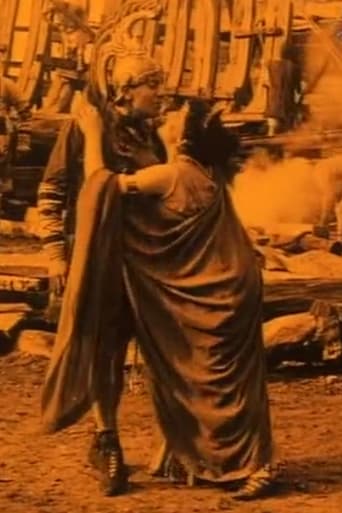
Italian silent film actress who worked during the years of cinema in the early 1910s. Her career, though brief, coincided with the golden age of Italian silent cinema when the country was producing some of the most ambitious and technically innovative films in the world. Norina appears in at least two notable productions that showcased the emerging art form's potential for epic storytelling. Her role in 'Didone abbandonata' (1910) placed her among the early performers adapting classical literature to the new medium of film. Her appearance in 'The Extraordinary Adventures of Saturnino Farandola' (1913) demonstrated the growing sophistication of Italian fantasy and adventure cinema. Like many performers of this era, her career was likely cut short by the changing demands of the rapidly evolving film industry and possibly the disruptions of World War I. Her work represents an important though often overlooked contribution to the foundation of Italian cinema during its formative years.
The Craft
On Screen
As a silent film actress of the early 1910s, Norina Rasero would have employed the exaggerated gestures and facial expressions characteristic of the period, where actors had to convey emotion and narrative without dialogue. Her performances would have been influenced by theatrical traditions, particularly the grand, operatic style popular in Italian cinema of the era.
Milestones
- Appeared in 'Didone abbandonata' (1910), an early adaptation of classical literature
- Starred in 'The Extraordinary Adventures of Saturnino Farandola' (1913), an ambitious fantasy adventure
- Worked during the era of Italian silent cinema
- Participated in Italy's golden age of film production before World War I
Best Known For
Iconic Roles
Must-See Films
Why They Matter
Impact on Culture
Norina Rasero's cultural impact, while limited by her brief career, represents the contribution of countless early film actors who helped establish the foundation of cinema as an art form. Her work in early Italian productions during the country's cinematic golden age (1910-1915) places her among the pioneers who demonstrated film's potential for adapting classical literature and creating fantasy worlds. These early Italian productions were influential worldwide, and performers like Rasero were part of this cultural export that helped establish cinematic conventions and storytelling techniques that would influence filmmakers globally.
Lasting Legacy
Norina Rasero's legacy exists primarily through the surviving documentation of her film appearances, which serve as historical artifacts of early Italian cinema. Her participation in productions like 'Didone abbandonata' and 'The Extraordinary Adventures of Saturnino Farandola' makes her part of the historical record of cinema's development during its most formative decade. While she may not be remembered as a star of the era, her work contributes to our understanding of how acting and storytelling evolved during the transition from stage to screen, and how Italian cinema established itself as a global force in the early 1910s.
Who They Inspired
As an actress from the very early period of cinema, Norina Rasero's direct influence on subsequent generations of performers is difficult to trace, given the limited documentation of her career and techniques. However, like all actors working during this era, she contributed to the development of film acting as a distinct art form separate from theatrical performance. The work of early Italian actors helped establish conventions of silent film performance that would influence actors worldwide throughout the silent era and beyond.
Off Screen
Very little documentation survives about Norina Rasero's personal life, which was common for many early film actors, especially those with brief careers. The lack of available biographical information reflects the transient nature of early cinema careers and the limited record-keeping of the period.
Did You Know?
- Appeared in films during what is considered Italy's golden age of silent cinema (1910-1915)
- Her film 'The Extraordinary Adventures of Saturnino Farandola' was one of the early fantasy adventure films
- Worked in an era when Italian films were among the most technically advanced and ambitious in the world
- Her active years covered only a few years, typical of many early film actors
- Participated in the adaptation of classical literature to film, a common practice in early Italian cinema
- Her films were made before the disruptions of World War I, which dramatically affected European film production
Frequently Asked Questions
Who was Norina Rasero?
Italian silent film actress active during the early 1910s, appearing in at least two notable films during Italy's golden age of cinema. She worked during the years of filmmaking when Italian productions were among the most ambitious in the world.
What films is Norina Rasero best known for?
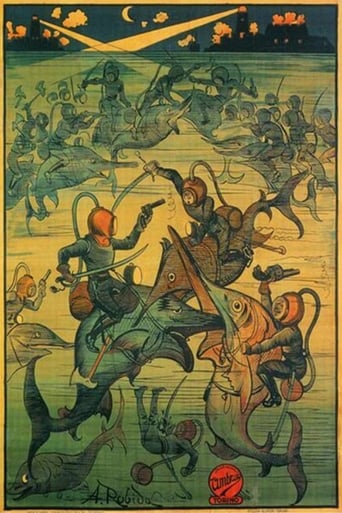
Titles linked here include Didone abbandonata (1910), The Extraordinary Adventures of Saturnino Farandola (1913).
When was Norina Rasero born and when did she die?
Unfortunately, specific birth and death dates for Norina Rasero are not documented in available historical records, which is common for many early film actors who had brief careers during cinema's formative years.
What awards did Norina Rasero win?
No awards or nominations for Norina Rasero are documented, which was typical for actors working in the early 1910s before the establishment of formal film award ceremonies and recognition systems.
What was Norina Rasero's acting style?
As a silent film actress of the early 1910s, Norina Rasero would have used the exaggerated gestures and facial expressions characteristic of the period, influenced by theatrical traditions and the need to convey emotion without dialogue.