Films
3 films
About Marcel Perez
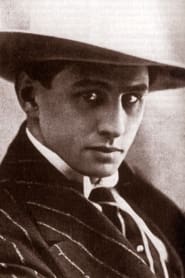
Made significant contributions to early silent cinema during the transitional period between the 1900s and 1910s. Born in France, Perez began his film career as an actor before transitioning to directing, showcasing remarkable versatility in both roles. His most celebrated work, 'The Extraordinary Adventures of Saturnino Farandola' (1913), demonstrated his innovative approach to fantasy and adventure storytelling, incorporating elaborate special effects and imaginative narratives that were ahead of their time. Perez's acting style was characterized by expressive physical comedy and dramatic gestures typical of the silent era, while his directing showed a keen eye for visual spectacle and technical innovation. He worked primarily in French cinema during the early 1910s, creating films that pushed the boundaries of what was possible in the medium's formative years. Though his career was relatively brief (1910-1913), his work influenced subsequent generations of filmmakers, particularly in the fantasy and adventure genres. Perez's films are now considered important artifacts of early cinema, offering valuable insights into the artistic and technical development of the medium during its crucial early years.
The Craft
On Screen
Perez's acting style embodied the theatrical, exaggerated approach typical of early silent cinema, characterized by broad physical gestures, expressive facial movements, and dynamic body language to convey emotion and narrative without dialogue. His performances often incorporated elements of physical comedy and melodrama, making him particularly effective in adventure and fantasy roles that required exaggerated reactions and movements. His background in theater influenced his screen presence, bringing a stage-like quality to his film performances that was well-suited to the technical limitations and audience expectations of the early 1910s.
Behind the Camera
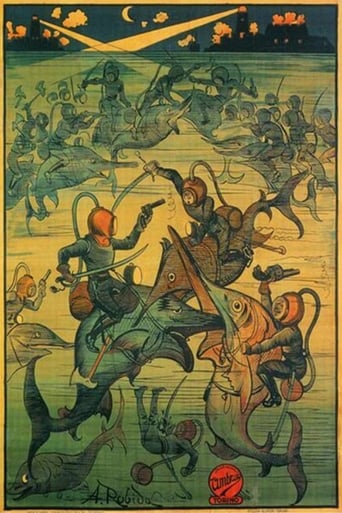
As a director, Perez demonstrated innovative techniques for his time, particularly in the fantasy and adventure genres. His approach emphasized visual spectacle, elaborate set designs, and special effects that pushed the boundaries of early filmmaking technology. He showed a particular talent for creating fantastical worlds and extraordinary situations, using camera tricks, miniatures, and creative editing to achieve effects that would influence later fantasy filmmakers. His direction of 'The Extraordinary Adventures of Saturnino Farandola' showcased his ability to blend adventure, comedy, and fantasy elements into cohesive narratives that captivated audiences of the era.
Milestones
- Directed the fantasy film 'The Extraordinary Adventures of Saturnino Farandola' (1913)
- Acted in early science fiction film 'Police in the Year 2000' (1910)
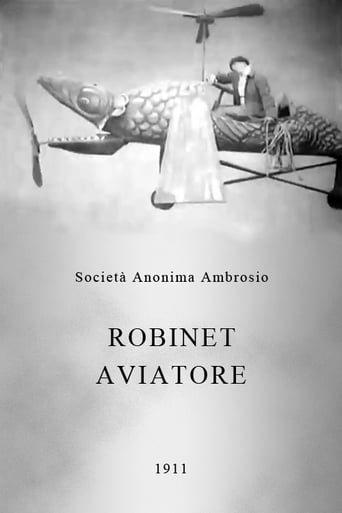
- Starred in aviation-themed film 'Tweedledum as Aviator' (1911)
- Pioneered special effects techniques in early French cinema
- Contributed to the development of fantasy and adventure genres in silent film
Best Known For
Iconic Roles
Must-See Films
Accolades
Special Recognition
- Recognized as an important pioneer in early French fantasy cinema
- His films are preserved in various film archives as important examples of early cinema
- Cited in film history books for contributions to early special effects techniques
Working Relationships
Worked Often With
Studios
Why They Matter
Impact on Culture
Marcel Perez contributed significantly to the development of early fantasy and adventure cinema, particularly through his innovative work on 'The Extraordinary Adventures of Saturnino Farandula.' His films helped establish visual storytelling techniques and special effects methods that would become standard in later fantasy films. As both actor and director, he represented the multi-talented nature of early cinema pioneers who often wore multiple hats in production. His work demonstrated the international appeal of French cinema during the early 1910s, before Hollywood's dominance of the global film market. Perez's films are now studied by film historians as important examples of how fantasy narratives were constructed and presented during cinema's formative years.
Lasting Legacy
Marcel Perez's legacy endures through his preserved films, which continue to be studied by film scholars and screened at classic film festivals. His work on 'The Extraordinary Adventures of Saturnino Farandula' is particularly celebrated for its ambitious scope and technical innovation, representing some of the most sophisticated fantasy filmmaking of its era. Perez exemplifies the creative spirit of early cinema pioneers who worked with limited resources but unlimited imagination. His films serve as important historical documents showing the evolution of cinematic techniques and storytelling approaches. Though not as widely known as some of his contemporaries, Perez's contributions to the fantasy and adventure genres have earned him recognition among film historians as an important innovator in early cinema.
Who They Inspired
Perez's work influenced subsequent generations of fantasy filmmakers through his use of special effects and imaginative storytelling. His approach to creating fantastical worlds on screen prefigured later developments in the fantasy genre, demonstrating how cinema could bring impossible scenarios to life. The technical innovations he employed in his films contributed to the development of visual effects techniques that would be refined and expanded by later filmmakers. His work as both actor and director also exemplified the multi-disciplinary approach that would become increasingly valued in cinema, showing how understanding both performance and directing could enhance film quality.
Off Screen
Marcel Perez lived during the transformative period of cinema's birth and early development. Details about his personal life are scarce, which was common for many early film pioneers whose private lives were not extensively documented. As a French filmmaker working in the early 1910s, he was part of the first generation of artists who recognized cinema's potential as both art and entertainment. His active years covered the crucial years when film was evolving from simple novelty to sophisticated storytelling medium.
Education
Information not available about formal education, but likely had theatrical training given his acting style and early film career
Family
- Information not available
Did You Know?
- 'The Extraordinary Adventures of Saturnino Farandula' was based on a popular French novel by Albert Robida
- Perez's film featured some of the most elaborate special effects of its time, including miniatures and camera tricks
- His career was relatively brief but highly productive during the crucial early years of cinema
- Police in the Year 2000' was an early example of science fiction cinema, predicting future technology
- Perez worked during the golden age of French cinema before World War I disrupted European film production
- His films are now considered rare treasures of early cinema, with some surviving only in film archives
- The aviation theme in 'Tweedledum as Aviator' reflected the contemporary fascination with flight during the early aviation era
- Perez's work demonstrated the international nature of early cinema, with influences spreading across European film industries
- His films were made before the standardization of film techniques, making them valuable studies in early cinema experimentation
- The fantasy elements in Perez's work predated many more famous fantasy films by decades
In Their Own Words
Information not available about specific quotes from Marcel Perez
Frequently Asked Questions
Who was Marcel Perez?
French actor and on YTB.my. He is best known for directing 'The Extraordinary Adventures of Saturnino Farandula' (1913) and acting in several early films including 'Police in the Year 2000' (1910). His work was significant in the development of fantasy and adventure genres in early cinema.
What films is Marcel Perez best known for?
Titles linked here include The Extraordinary Adventures of Saturnino Farandola (1913), Police in the Year 2000 (1910).
When was Marcel Perez born and when did he die?
Born 1867; died 1924.
What awards did Marcel Perez win?
During Marcel Perez's era (1910-1913), formal film awards did not exist as they do today. However, his work is now recognized by film historians as significant contributions to early cinema, and his films are preserved in archives as important examples of fantasy and adventure filmmaking.
What was Marcel Perez's acting and directing style?
As an actor, Perez used the theatrical, exaggerated style typical of early silent cinema with broad gestures and expressive movements. As a director, he was innovative for his time, emphasizing visual spectacle, elaborate special effects, and imaginative fantasy elements. His directing style showed particular talent for creating fantastical worlds and extraordinary situations using the limited technology available in the early 1910s.