

Tweedledum as Aviator
"Robinet's bone-breaking aviation dream"
Keys: Space play/pause · ←/→ 10s · F fullscreen · M mute · </> speed
About this film
Robinet, the lead in this Italian slapstick comedy, wants to be an aviator in the worst way, and this being an Italian slapstick, that's how he does it. Italian slapstick in this period was absolutely bone-breaking, so much so that it makes Keystone slapstick look like drawing-ro.
Cast & crew
More Comedy films
View all →






More from Luigi Maggi
View all →
More about this film
About the production
Release date1911
ProductionItala Film
Filmed inTurin, Italy
This film was produced during the golden age of Italian cinema when Turin was a major production center. The physical comedy was performed without stunt doubles or safety equipment, making the dangerous falls and crashes authentic to the performers' actual risk. The aviation theme capitalized on the public's fascination with flight following the Wright brothers' achievements and early aviation pioneers.
Themes
Aviation obsessionTechnological aspirationComic failurePhysical comedyHuman ambition vs. reality
Themes & topics
Historical background
Itala Film positioned Tweedledum as Aviator for 1911 audiences accustomed to weekly program changes in urban theaters.
Why this film matters
Revival audiences read Tweedledum as Aviator as evidence of 1911 taste for stories about robinet, the lead in this italian slapstick comedy, wants to be an aviator in the worst wa.
Making of
The production of 'Tweedledum as Aviator' exemplified the rough-and-tumble approach to filmmaking in early Italian cinema. Unlike later productions with elaborate safety measures, Marcel Perez performed his own stunts, enduring real falls and physical impacts that would be considered unacceptable by modern standards. The film was likely shot quickly in one or two days, as was typical for short comedies of the era. The makeshift aviation equipment shown in the film was probably constructed by the studio's prop department using whatever materials were available, reflecting both the ingenuity and limitations of early film production. Director Luigi Maggi, coming from a theatrical background, would have staged the physical comedy to play well to live audiences, emphasizing broad gestures and visible impacts that would read clearly on screen without the benefit of sound.
What critics said
Silent-era reviewers devoted little space to Tweedledum as Aviator, typical for a release of its scale in 1911.
Did you know?
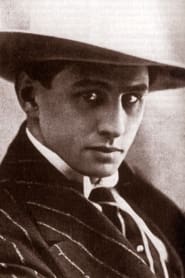
- Marcel Perez, who played Robinet, was especially popular comic actors in early Italian cinema, creating the Robinet character that appeared in numerous shorts.
- The film was made just 8 years after the Wright brothers' first flight, capturing the public's intense fascination with aviation during its pioneering days.
- Italian slapstick comedies of this period were known for being exceptionally physical and dangerous, often involving real falls and crashes without the use of stunt performers.
- Director Luigi Maggi was not only a filmmaker but also an actor who had previously worked in theater before transitioning to cinema.
- The character name 'Robinet' was the Italian equivalent of characters like 'Max' in German cinema or 'Fatty' in American comedies - a recurring comic persona.
- Many of these early Italian comedies were exported internationally, with Robinet films being particularly popular in France and other European countries.
- The film was likely shot on location in Turin, which was home to Itala Film, one of Italy's most important early production companies.
- The aviation props and makeshift flying machines in the film would have been constructed specifically for the production, reflecting the experimental nature of early aircraft design.
Visual style
The cinematography would have been characteristic of 1911 Italian filmmaking, using stationary cameras positioned to capture the full range of physical action. The camera would have been placed at a distance to ensure all of Robinet's movements and falls were visible within the frame. The film was likely shot in black and white on 35mm film, with outdoor scenes utilizing natural light. The composition would emphasize clarity of action over artistic framing, ensuring that the slapstick gags were easily understood by audiences. Long takes would have been preferred to maintain the continuity of physical comedy sequences. The aviation scenes would have required careful positioning to capture both the performer and any flying apparatus or props.
Innovations
While not groundbreaking in technical terms, the film demonstrates the sophisticated stunt coordination and physical comedy techniques being developed in Italian cinema. The aviation props and effects, while rudimentary by modern standards, showed creative problem-solving in depicting flight on screen. The film's success in capturing complex physical action in long takes required careful choreography and timing. The production likely utilized the relatively stable cameras and reliable film stock that had become available by 1911, allowing for greater freedom in shooting physical comedy. The film represents the refinement of slapstick techniques that would influence comedy filmmaking for decades.
Music
As a silent film, 'Tweedledum as Aviator' would have been accompanied by live musical performance during theatrical exhibition. The accompaniment could range from a single pianist to a small orchestra depending on the theater's resources. The music would have been selected to match the on-screen action, with lively, comedic themes for Robinet's antics and more dramatic or suspenseful music for the aviation sequences. Popular songs of the era might have been incorporated when relevant to the action. The score would have been improvised or drawn from published collections of photoplay music specifically compiled for silent film accompaniment. The absence of recorded sound meant that the visual comedy had to carry the entire narrative weight.
Memorable scenes
- Robinet's disastrous attempt to construct and fly a makeshift airplane, resulting in a spectacular crash sequence typical of the era's dangerous stunt work
What audiences thought
Early audiences responded enthusiastically to the film's physical comedy and aviation theme, which tapped into contemporary interests in technological progress and human flight. The Robinet character was already established as a popular comic figure, so audiences would have been familiar with and receptive to his misadventures. The spectacular falls and crashes would have been major attractions, as early cinema audiences were thrilled by dangerous stunts and physical comedy. The film likely performed well in both domestic Italian markets and internationally, as slapstick comedy transcended language barriers. The aviation theme would have been particularly timely and exciting for audiences witnessing the rapid development of real-world aviation. The short format and straightforward humor made it ideal for the varied programming of early cinema theaters, which typically presented multiple short films per showing.
Film connections
Influenced by
- Early French comedies
- Commedia dell'arte traditions
- Contemporary aviation news
- Physical theater traditions
This film influenced
- Subsequent Robinet films
- Italian slapstick comedies
- Early aviation comedies
Film restoration
The preservation status of this specific 1911 film is unclear, as many early Italian comedies from this period have been lost or exist only in fragmentary form. Some Robinet films have survived in film archives, particularly in European collections, but the complete version of 'Tweedledum as Aviator' may be lost or partially preserved. Early nitrate film was highly flammable and prone to deterioration, making survival of films from this period rare.
Where to watch
- Film archives with early Italian comedy collections
- Specialized silent film festivals
- Academic film libraries
- Potential DVD compilations of early Italian cinema