
Films
6 films
About Luigi Maggi
Figure in early Italian cinema, serving as both an actor and director during the formative years of silent film. Born in the late 19th century, Maggi emerged as a key creative force during Italy's cinematic golden age (1908-1912), when Italian studios were producing some of the world's most ambitious and technically sophisticated films. He worked primarily for the Itala Film company in Turin, which was at the forefront of early film innovation. Maggi's directorial work demonstrated remarkable ambition for the period, tackling large-scale historical epics that required elaborate sets, costumes, and crowd scenes. His most significant achievement was directing 'The Last Days of Pompeii' (1908), which established many conventions of the disaster film genre and showcased Italy's technical prowess in cinema. Maggi's career was relatively brief but impactful, spanning the crucial period when cinema was transforming from simple novelty to sophisticated storytelling medium. His work helped establish Italy as a dominant force in international cinema before World War I.
The Craft
On Screen
Maggi's acting style was typical of the early silent era, emphasizing broad gestures and exaggerated expressions to convey emotion without dialogue. His performances in films like 'The Last Days of Pompeii' and 'Nero' demonstrated the theatrical approach common in early cinema, where actors needed to communicate clearly through physical movement and facial expressions. Like many early film actors, Maggi likely adapted his stage acting techniques for the camera, though specific details about his acting methodology are scarce due to the limited documentation of early film practices.
Behind the Camera
Luigi Maggi's directing style was characterized by ambitious scope and technical innovation for his time. He demonstrated particular skill in managing large crowd scenes and complex action sequences, as evidenced in his historical epics. Maggi employed innovative camera techniques for the period, including location shooting and elaborate set construction. His approach to storytelling emphasized visual spectacle and dramatic spectacle over psychological depth, which was typical of early cinema but executed with exceptional technical polish. Maggi's work showed an understanding of cinema's potential for creating immersive historical worlds, influencing subsequent Italian epics.
Milestones
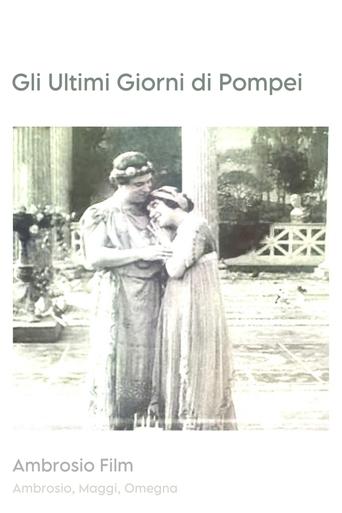
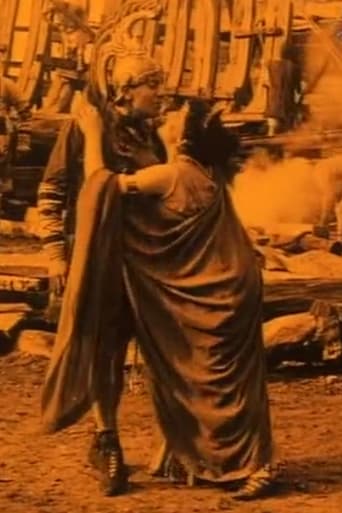
- Directed 'The Last Days of Pompeii' (1908), one of cinema's first epic disaster films
- Pioneered large-scale historical epics in early Italian cinema
- Worked with Itala Film company during its peak innovative period
- Helped establish technical standards for crowd scenes and special effects
- Contributed to Italy's dominance in international film market (1908-1914)
Best Known For
Iconic Roles
Must-See Films
Accolades
Special Recognition
- Recognized as a pioneer of early Italian cinema by film historians
Working Relationships
Worked Often With
Studios
Why They Matter
Impact on Culture
Luigi Maggi played a significant role in establishing Italy as a dominant force in early international cinema. His work on 'The Last Days of Pompeii' helped pioneer the disaster film genre and demonstrated cinema's potential for spectacular visual storytelling. Maggi's films contributed to Italy's reputation for producing lavish historical epics that captivated audiences worldwide before World War I. His technical innovations in managing large-scale productions influenced subsequent filmmakers and helped establish standards for epic filmmaking. The success of films like 'The Last Days of Pompeii' proved that cinema could compete with theater and literature in presenting grand historical narratives, paving the way for the epic film tradition that would flourish throughout the 20th century.
Lasting Legacy
Luigi Maggi's legacy lies in his contributions to early Italian cinema's golden age and his role in developing the epic film genre. Though his name is not widely recognized today, film historians acknowledge his importance as a pioneer who helped establish many conventions of historical and disaster filmmaking. His work with Itala Film contributed to the company's international success and Italy's dominance in the early film market. The techniques he developed for staging large-scale scenes and creating visual spectacle influenced generations of filmmakers who followed. Maggi represents the innovative spirit of early cinema pioneers who, working with primitive technology, created films of remarkable ambition and technical achievement that still impress viewers today.
Who They Inspired
Maggi influenced subsequent Italian epic filmmakers through his innovative approaches to large-scale production and historical storytelling. His work on 'The Last Days of Pompeii' particularly influenced later disaster films and historical epics, both in Italy and internationally. The technical solutions he developed for managing crowd scenes and creating spectacular effects became standard practices in the industry. Directors like Giovanni Pastrone, who would later create the groundbreaking 'Cabiria' (1914), built upon the foundation established by pioneers like Maggi. His emphasis on visual spectacle and historical authenticity helped establish Italian cinema's reputation for epic productions that would continue throughout the silent era and beyond.
Off Screen
Details about Luigi Maggi's personal life are limited due to the era in which he worked and the scarcity of documentation about early film personalities. Born in Turin in 1869, he was part of the first generation of filmmakers who helped establish cinema as an art form. His career coincided with the rise of Turin as a major center of Italian film production, particularly through the Itala Film company. Maggi's later years and activities after 1912 remain largely undocumented, which was common for many early film pioneers whose contributions were not fully recognized during their lifetimes.
Education
Educational background unknown, typical of early film pioneers who often came from theater or other entertainment backgrounds
Did You Know?
- Worked during Italy's cinematic golden age when the country dominated international film production
- 'The Last Days of Pompeii' was one of the first films to depict a natural disaster on such a grand scale
- His films were distributed internationally, helping establish Italian cinema's global reputation
- Part of the first generation of filmmakers to transition from stage to screen
- Worked at Itala Film, which was one of Italy's most innovative early production companies
- His active years covered the crucial transition period when cinema evolved from novelty to art form
- Many of his films are now lost, as was common with early silent productions
- Helped establish Turin as a major center of early European film production
- His historical epics were among the most expensive and ambitious productions of their time
- Contributed to the development of film language for depicting historical events
In Their Own Words
No documented quotes are available from Luigi Maggi, which is typical for early film pioneers whose interviews and statements were rarely preserved
Frequently Asked Questions
Who was Luigi Maggi?
Italian actor and on YTB.my. He is best known for directing early Italian epics like 'The Last Days of Pompeii' (1908) and working with the Itala Film company in Turin during Italy's cinematic golden age.
What films is Luigi Maggi best known for?
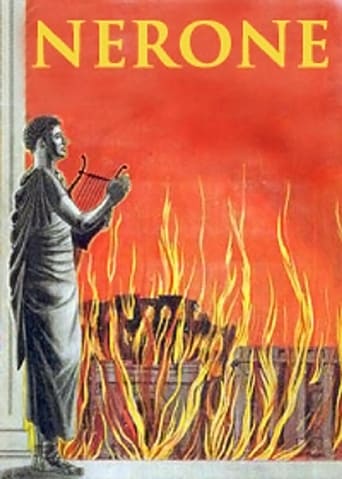
Titles linked here include The Last Days of Pompeii (1908), Nero, or The Fall of Rome (1909).
When was Luigi Maggi born and when did he die?
Born 1869; died 1946.
What awards did Luigi Maggi win?
Luigi Maggi did not receive formal awards during his career, as this was before the establishment of most film awards. However, he is recognized by film historians as an important pioneer of early Italian cinema who contributed significantly to the development of the epic film genre.
What was Luigi Maggi's directing style?
Maggi's directing style emphasized ambitious scope, large-scale historical settings, and technical innovation. He excelled at managing crowd scenes and creating spectacular visual effects, which was groundbreaking for the early 1900s. His approach helped establish many conventions of the historical epic genre that would influence filmmakers for decades.