
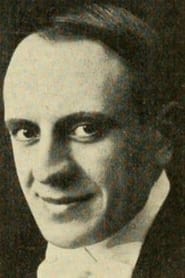
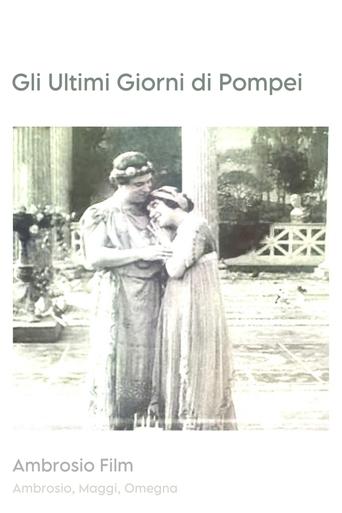
Nero, or The Fall of Rome
"Blood on the grown"
Keys: Space play/pause · ←/→ 10s · F fullscreen · M mute · </> speed
About this film
Roman emperor Nero is used to getting what he wants. He has grown tired of his wife Octavia, and has become infatuated with Poppea. He succeeds in making Poppea the new empress, but soon he faces opposition from an outraged populace.
Cast & crew
More films like this
More History films
View all →


More from Luigi Maggi
View all →
More about this film
About the production
Release date1909
ProductionItala Film
Filmed inTurin, Italy
This was one of the early historical epics produced by the Italian film industry, which would later become famous for large-scale historical spectacles. The film utilized elaborate sets and costumes to recreate ancient Rome, showcasing the growing technical capabilities of Italian cinema in the early 1900s. Director Luigi Maggi was not only behind the camera but also appeared in front of it, demonstrating the multi-talented nature of early filmmakers who often wore multiple hats during production. The burning of Rome sequence required innovative special effects techniques that were advanced for 1909, using multiple exposures and careful staging to create realistic fire effects.
Themes
Tyranny and absolute powerMoral corruption and decadenceThe abuse of imperial authorityPopular uprising against oppressionThe destructive nature of unchecked desire
Themes & topics
Roman emperorAncient RomeHistorical dramaTyrannyBurning of RomePolitical intrigueImperial powerHistorical epicDownfallPopular uprisingNeroPoppeaOctaviaLyra playing
Historical background
Made in its country of production around 1909, Nero, or The Fall of Rome belongs to the first decade of projected film. Its story of roman emperor nero is used to getting what he wants spoke to audiences of the day through familiar genres and topical settings.
Why this film matters
Archivists and historians still cite Nero, or The Fall of Rome when tracing how the first decade of projected film filmmakers staged roman and emperor on screen.
Making of
The making of 'Nero, or The Fall of Rome' represented a significant undertaking for Italian cinema in 1909. The production required elaborate sets to recreate ancient Rome, including detailed recreations of Roman architecture, palaces, and streets. The fire scenes were particularly challenging to film, requiring careful coordination to create realistic effects while ensuring the safety of cast and crew. Director Luigi Maggi, who also acted in the film, was part of a generation of filmmakers who were essentially inventing the language of cinema as they worked. The cast, led by Alberto Capozzi as Nero, had to rely heavily on physical acting and expressive gestures to convey emotion, as silent films depended entirely on visual storytelling. The film's production by Itala Film represented the studio's commitment to ambitious historical subjects that would showcase Italian cinema's growing technical and artistic capabilities. The burning of Rome sequence required multiple takes and careful planning, with the crew using various techniques including miniatures, controlled fires, and clever editing to create the illusion of a city in flames.
What critics said
Reviews from 1909 weighed Nero, or The Fall of Rome on pacing, performance, and novelty. Later criticism reads its emphasis on roman, emperor, nero through modern standards of craft and representation.
Did you know?
- was produced during the golden age of Italian silent cinema, when the country was emerging as a major force in international filmmaking.
- Director Luigi Maggi was one of Italy's pioneering filmmakers, having started his career as an actor before moving behind the camera.
- The film's depiction of Nero playing his lyre while Rome burns became an iconic image that would be referenced in countless later films about the Roman emperor.
- Itala Film, the production company, was one of Italy's most important early film studios and would go on to produce many historical epics.
- The film was part of a wave of historical spectacles that established Italy's reputation for lavish productions in the silent era.
- Alberto Capozzi, who played Nero, was one of Italy's first film stars and appeared in over 100 films during his career.
- The film's focus on the decadence and corruption of power reflected contemporary concerns about modern society, using ancient Rome as a metaphor.
- Like many films of this era, it was accompanied by live musical performance during theatrical screenings.
- The film's running time was typical of early 1900s productions, which were generally shorter than later feature films.
- The production used some of the most sophisticated special effects available at the time to depict the burning of Rome.
- The film was released internationally, helping establish Italian cinema's reputation for historical epics.
- Lydia De Roberti, who played Poppea, was one of the early Italian film actresses known for her dramatic performances.
Visual style
The cinematography of 'Nero, or The Fall of Rome' utilized the techniques available in 1909 to create visually striking images of ancient Rome. The film employed static camera positions typical of the era, but used careful composition and staging to create dramatic visual effects. The lighting would have been natural or basic studio lighting, but was used effectively to create mood and highlight important moments in the narrative. The burning of Rome sequence required innovative techniques to create realistic fire effects, possibly using multiple exposures or in-camera effects combined with practical fire elements. The film's visual style emphasized grand tableaus and carefully composed scenes that showcased the elaborate sets and costumes. While limited by the technology of the time, the cinematography successfully created the epic scope necessary for the historical subject matter and helped establish visual conventions that would influence later historical epics.
Innovations
For its time, 'Nero, or The Fall of Rome' represented several technical achievements in early cinema. The film's production of the burning of Rome sequence required innovative special effects techniques that were advanced for 1909, including the use of miniatures, controlled fires, and multiple exposure photography. The elaborate sets and costumes demonstrated the growing sophistication of film production design in Italian cinema. The film's use of multiple scenes and locations showed an advancement in narrative complexity compared to earlier simple films. The production likely utilized some of the earliest camera movement techniques, though these would have been limited by the heavy equipment of the era. The film's editing, while basic by modern standards, showed an understanding of how to build dramatic tension through the juxtaposition of different shots. These technical achievements, while modest compared to later films, were significant steps forward in the development of cinema as an art form capable of complex historical storytelling.
Music
As a silent film, 'Nero, or The Fall of Rome' would have been accompanied by live musical performance during its original theatrical run. The specific musical score is not documented, but it likely consisted of classical pieces or specially composed music that enhanced the dramatic action on screen. The accompaniment might have included a piano, organ, or small orchestra depending on the theater's resources and the importance of the screening. The music would have been particularly important during the burning of Rome sequence, where dramatic musical cues would have heightened the tension and spectacle of the scene. The tradition of live musical accompaniment for silent films meant that each screening could have a slightly different musical interpretation, with the accompanist responding to the on-screen action and audience reactions. The absence of recorded sound made the visual storytelling and musical accompaniment crucial elements in creating the film's emotional impact.
Memorable scenes
- The climactic sequence where Nero watches Rome burn from his terrace while playing his lyra, rejoicing in the destruction he has ordered. This scene became an iconic image of imperial decadence and would be referenced in countless later films about the Roman emperor.
- The dramatic confrontation scene where Nero dismisses his wife Octavia in favor of Poppea, showcasing the emperor's tyrannical abuse of power and setting the stage for the popular uprising.
- The tense moment when Nero is informed of the imminent popular uprising, leading to his fateful decision to burn the city rather than face the consequences of his actions.
What audiences thought
Audiences in 1909 were reportedly captivated by 'Nero, or The Fall of Rome,' which offered them a spectacular vision of ancient Roman history brought to life through the new medium of cinema. The film's dramatic story of imperial decadence and downfall resonated with viewers, who were still experiencing the novelty of seeing historical events recreated on screen. The burning of Rome sequence was particularly popular with audiences, who were impressed by the scale of the spectacle and the technical wizardry involved in creating the fire effects. The film's success helped demonstrate the commercial viability of historical epics, encouraging Italian studios to invest in increasingly ambitious productions. While modern audiences might find the film's pacing and acting style different from contemporary cinema, those interested in film history continue to appreciate its pioneering qualities and its place in the development of the historical epic genre.
Film connections
Influenced by
- Earlier Italian historical films
- Contemporary stage plays about Roman history
- Classical Roman historical sources (Tacitus, Suetonius)
- Earlier French historical epics
- Contemporary opera treatments of Roman themes
- 19th century Romantic paintings of Roman subjects
This film influenced
- Quo Vadis? (1913)
- Cabiria (1914)
- The Sign of the Cross (1932)
- Quo Vadis (1951)
- Ben-Hur (1959)
- The Fall of the Roman Empire (1964)
- Nero (1977 TV miniseries)
Film restoration
The preservation status of 'Nero, or The Fall of Rome' (1909) is uncertain, as is common with films from this very early period of cinema. Many films from the 1900s have been lost due to the fragile nature of early film stock and inadequate preservation methods. However, some Italian films from this era have survived in archives or private collections. The film may exist in whole or in part in film archives such as the Cineteca Nazionale in Italy or other international film preservation institutions. Restoration efforts for early Italian films have been ongoing, so it's possible that portions or all of the film may have been preserved or restored. Film historians continue to search for lost films from this period in archives and private collections worldwide, hoping to recover important works from cinema's pioneering years.
Where to watch
- Wikimedia Commons: https://commons.wikimedia.org/wiki/File:Nerone%20(1909)%20.webm