Films
3 films
About Lydia De Roberti
Early Italian silent film actress who emerged during the years of cinema. Her the formative period of filmmaking from 1908 to 1913, when the medium was still establishing its artistic and technical foundations. She specialized in historical epics and costume dramas, appearing in several notable Italian productions that showcased the grand spectacle of early cinema. De Roberti worked during what is now considered the golden age of Italian silent film, when the country was producing ambitious historical epics that rivaled those from other European nations. Her performances in films about ancient Rome, particularly those depicting the fall of Pompeii and the reign of Emperor Nero, positioned her as a prominent figure in this genre. Though her career was relatively brief, as was common for many early film actors, she contributed to the development of cinematic storytelling during its most experimental phase. Her work exemplified the theatrical acting style that characterized early silent cinema before more naturalistic techniques became prevalent.
The Craft
On Screen
De Roberti employed the theatrical, expressive acting style typical of early silent cinema, characterized by exaggerated gestures and facial expressions to convey emotion without dialogue. Her performances in historical epics required dramatic presence and the ability to embody classical characters with grandeur and emotional intensity. Like many actors of her era, she likely drew from stage acting traditions, adapting theatrical techniques for the new medium of film where subtlety was often lost in early cinematography.
Milestones
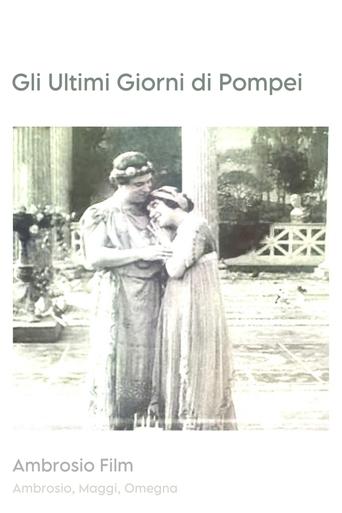
- Starred in 'The Last Days of Pompeii' (1908), one of the earliest adaptations of Edward Bulwer-Lytton's novel
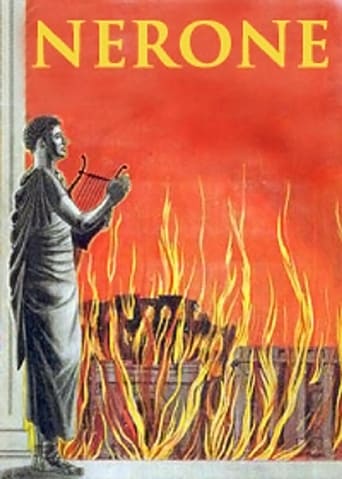
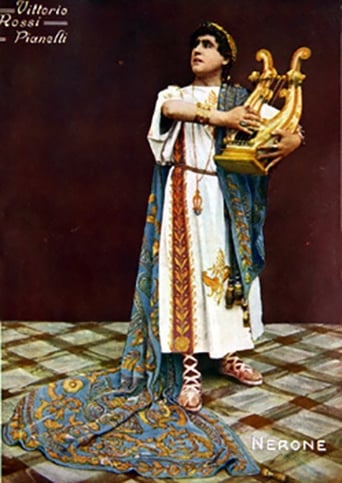
- Appeared in 'Nero, or The Fall of Rome' (1909), contributing to the early Italian historical epic genre
- Featured in 'Nero and Agrippina' (1913), showcasing her versatility in Roman-themed productions
- Participated in the formative years of Italian cinema during its artistic peak in the silent era
Best Known For
Iconic Roles
Must-See Films
Working Relationships
Worked Often With
Studios
Why They Matter
Impact on Culture
Lydia De Roberti contributed to the early development of the historical epic genre in Italian cinema, which would later influence filmmakers worldwide. Her work in films depicting ancient Rome helped establish visual and narrative conventions for historical storytelling that would persist throughout cinema history. As part of the first generation of film actors, she participated in the transition from theatrical performance to screen acting, helping define the language of cinematic expression during its most formative years. The films she appeared in represent the ambitious scope of early Italian cinema, which was known for its spectacular sets, large casts, and historical subjects that showcased the medium's potential for grand storytelling.
Lasting Legacy
Though specific details about Lydia De Roberti's life and career are scarce, her legacy endures through the historical films that survive from early Italian cinema. She represents the countless actors who helped establish film as an art form during its experimental phase. Her work in the historical epic genre contributed to Italy's reputation as a leader in spectacular cinema during the silent era, a reputation that would influence filmmakers like D.W. Griffith and Cecil B. DeMille. The preservation of films like 'The Last Days of Pompeii' ensures that her contribution to early cinema remains part of film history, even if her personal story remains largely undocumented.
Who They Inspired
As an early film actress, Lydia De Roberti's influence lies primarily in her contribution to establishing acting conventions for historical epics in silent cinema. Her performances helped define how ancient Roman characters should be portrayed on screen, setting precedents that would influence subsequent generations of actors in similar roles. The theatrical style she employed, while typical of her era, represented an important step in the evolution of screen acting from stage traditions to more film-appropriate techniques. Her work in Italian historical films contributed to a genre that would become a staple of international cinema for decades to come.
Off Screen
Very little is documented about Lydia De Roberti's personal life, which was common for many early film actors whose biographical details were not systematically recorded. As an actress working in the nascent Italian film industry, she was part of a generation of performers who helped establish cinema as a legitimate art form. The lack of personal information reflects the limited documentation practices of early 20th-century filmmaking, where actors were often treated as transient contributors rather than celebrated artists with documented biographies.
Did You Know?
- Appeared in films during the very early years of Italian cinema (1908-1913)
- Specialized in historical epics, particularly those set in ancient Rome
- Worked in the peplum genre before it was formally named
- Participated in adaptations of classical literature for early cinema
- Her films were produced during Italy's golden age of silent historical epics
- The films she appeared in were among the first to depict ancient Roman history on screen
- Early Italian historical epics like hers influenced Hollywood productions decades later
- Her active years covered only five years, typical for many early film actors
- The Last Days of Pompeii (1908) was one of the earliest film adaptations of this famous novel
- Her work represents the transition from theatrical to cinematic acting styles
Frequently Asked Questions
Who was Lydia De Roberti?
Italian silent film actress active from 1908 to 1913, known for her roles in historical epics particularly those set in ancient Rome. She appeared in early Italian productions like 'The Last Days of Pompeii' and films about Emperor Nero, contributing to the development of cinema during its formative years.
What films is Lydia De Roberti best known for?
Titles linked here include The Last Days of Pompeii (1908), Nero, or The Fall of Rome (1909).
When was Lydia De Roberti born and when did she die?
Specific birth and death dates for Lydia De Roberti are not documented, which was common for many early film actors. She was active in Italian cinema from 1908 to 1913, placing her career in the very early years of silent film.
What awards did Lydia De Roberti win?
No specific awards or honors for Lydia De Roberti are documented, which reflects the limited recognition systems for film actors during the early silent era. Most formal film awards and honors were established after her active period in cinema.
What was Lydia De Roberti's acting style?
De Roberti employed the theatrical, expressive acting style typical of early silent cinema, using exaggerated gestures and facial expressions to convey emotion. Her performances in historical epics required dramatic presence suited to the grand scale of these early productions.